
 Home
Home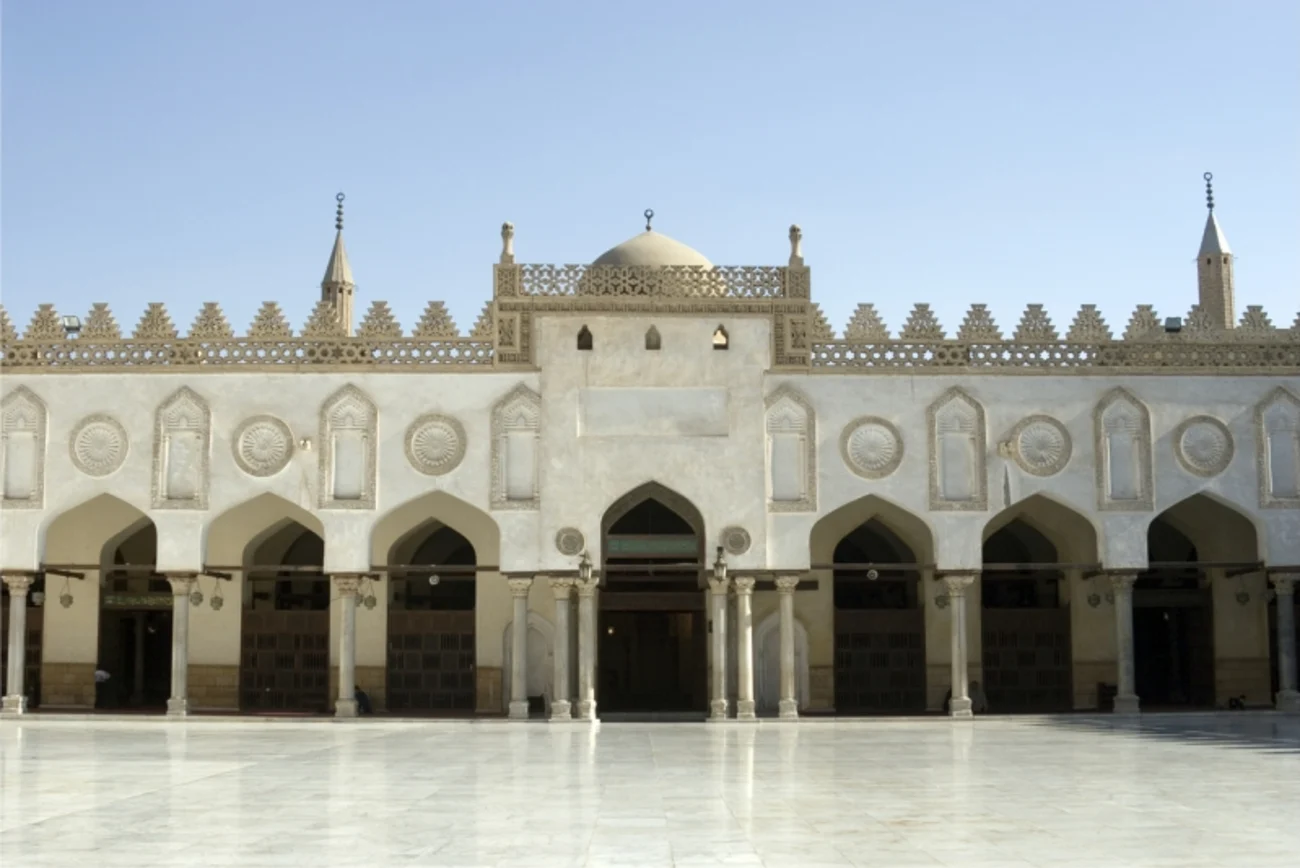
Al Azhar Mosque stands as more than just Cairo's oldest university—it is a living testament to over a thousand years of Islamic scholarship. Founded in 970 CE, this magnificent structure has witnessed the rise and fall of dynasties while continuously shaping Islamic thought across the globe. Initially established as a Shiite institution by the Fatimids, it later transformed into a leading center of Sunni learning, showing remarkable adaptability through centuries of political and religious change.
The Origins of Al-Azhar: A Fatimid Vision
The story of Al-Azhar begins in 969 CE when the Fatimid dynasty conquered Egypt under General Jawhar al-Siqilli. The Fatimids established a new capital city, Cairo (Al-Qahira, meaning “the Victorious”), designed as the heart of their empire. On April 4, 970 CE, construction began on what would become Cairo’s first mosque. Two years later, the first Friday prayers were held in June 972 CE.
This newly built mosque symbolized the arrival of a new political and religious order in Egypt. As the first Fatimid monument in Cairo, it occupied a strategic position within the royal enclosure, serving as both a spiritual center and a statement of Fatimid authority.
Why It Was Named “Al-Azhar”
The name “Al-Azhar” appeared during the reigns of the Fatimid caliphs al-Mu’izz and al-Aziz Billah. It derives from the word azhar meaning “most radiant,” and is linked to zahra, an epithet associated with Fatima al-Zahra, daughter of the Prophet Muhammad. The Fatimids, claiming descent from Fatima and Ali, named their grand mosque in her honor to reinforce their religious and dynastic legitimacy.
Fatimid Goals for Religious Education
While initially serving as a congregational mosque for prayers, Al-Azhar soon became a center for spreading the Fatimid Isma‘ili Shi‘a doctrine. In 975 CE, the first class was held at the mosque, and by 988 CE, it had been formally established as a university with 37 scholars teaching Islamic jurisprudence.
Classes were inclusive, with sessions held both at the caliph’s palace and the mosque, and even some for women. The curriculum emphasized Isma‘ili teachings and was used to train preachers (da‘i) who would spread Fatimid beliefs across the Islamic world. Al-Azhar thus became both a spiritual and political tool of the Fatimid state.
Al-Azhar Through the Ages: Dynasties and Shifts
Throughout its millennium-long history, Al-Azhar Mosque has undergone remarkable changes as Egypt’s rulers rose and fell. Each dynasty left a distinct mark on its structure, purpose, and influence.
Ayyubid Neglect and Sunni Transition
The fall of the Fatimid Caliphate in 1171 marked a turning point. Saladin, founder of the Ayyubid dynasty, viewed Al-Azhar with suspicion due to its Shi‘ite roots. He banned Friday congregational prayers and removed symbols of Fatimid rule. Many of the mosque’s books were destroyed, and its library—once among the most extensive in the Islamic world—was dismantled.
Although Saladin redirected focus toward newly built Sunni madrasas, private lessons at Al-Azhar continued, preserving its intellectual spirit.
Mamluk Revival and Architectural Expansion
Under the Mamluks (1250–1517), Al-Azhar experienced a grand revival. Sultan Baibars restored congregational prayers in 1266 and reinstituted stipends for students and scholars. The Mamluks expanded the mosque and enriched its architecture, turning it once again into Cairo’s leading center of Islamic learning.
Key additions included the Madrasa al-Taybarsiyya (1309), the Madrasa al-Aqbughawiyya (1340), Sultan Qaytbay’s main gate and minaret (1469–1477), and Sultan al-Ghuri’s distinctive double-finial minaret (early 1500s).
Ottoman Influence and Educational Reforms
Following the Ottoman conquest in 1517, Al-Azhar retained its prominence. Sultan Selim I himself attended Friday prayers there. Although Ottoman rulers invested less in physical renovations, Al-Azhar grew intellectually, becoming the most prestigious center for Sunni Islamic studies. Its curriculum began to include philosophy, logic, and science—fields that had previously been secondary to theology.
Modern Transformations After 1952
The Egyptian Revolution of 1952 marked another turning point. By 1955, Al-Azhar began to expand into a modern campus. In 1961, it was formally recognized as a university under President Gamal Abdel Nasser, introducing secular faculties such as medicine, engineering, and economics alongside traditional religious studies.
This modernization dramatically increased student enrollment—from fewer than 90,000 in the 1970s to over a million by the early 2000s. Al-Azhar had successfully adapted to the modern age while maintaining its religious heritage.
Architectural Evolution of the Mosque
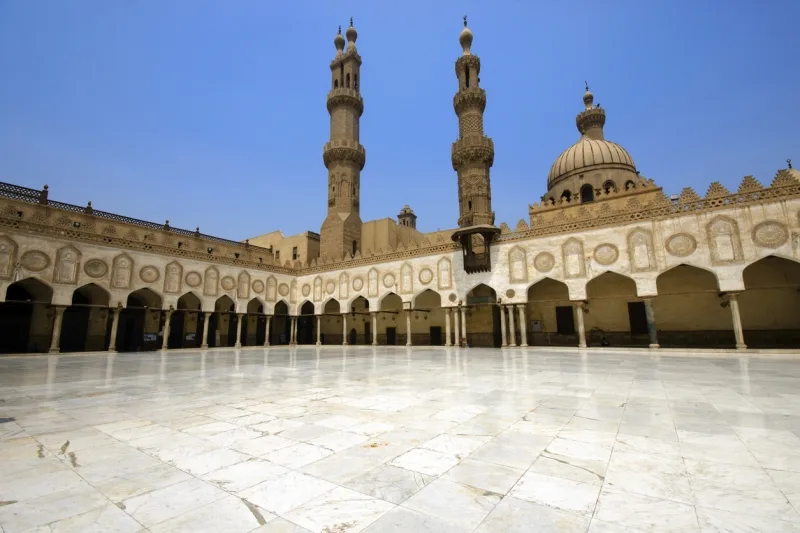
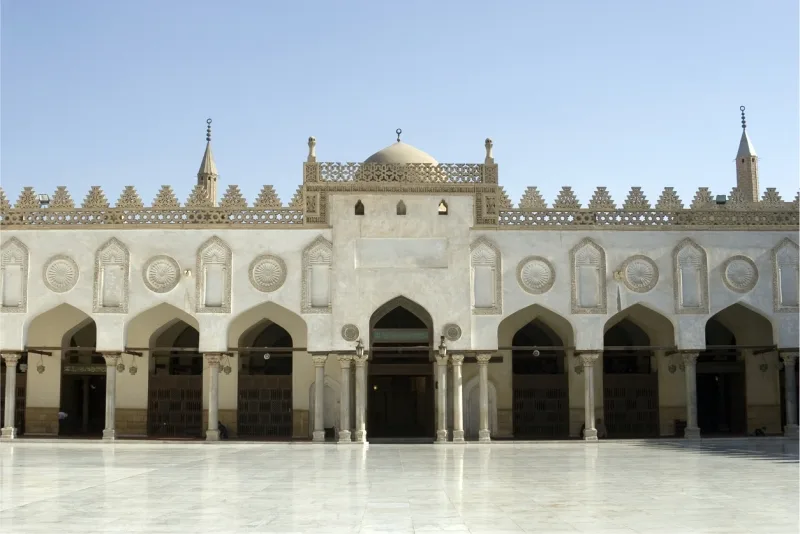
The original Fatimid mosque was a simple rectangular structure measuring about 70 by 85 meters. It featured an open courtyard surrounded by arcades, with a larger eastern portico facing the qibla. Al-Azhar was the first Egyptian mosque to incorporate a transept aisle—a high-ceilinged section running perpendicular to the qibla wall—adorned with Kufic inscriptions and floral motifs.
Mamluk Minarets and Madrasas
During the Mamluk era, Al-Azhar’s architecture flourished. The mosque became home to two prominent madrasas: al-Taybarsiyya and al-Aqbughawiyya. Their intricate mihrabs, use of colored marble, and ornate domes set new standards for Islamic architecture.
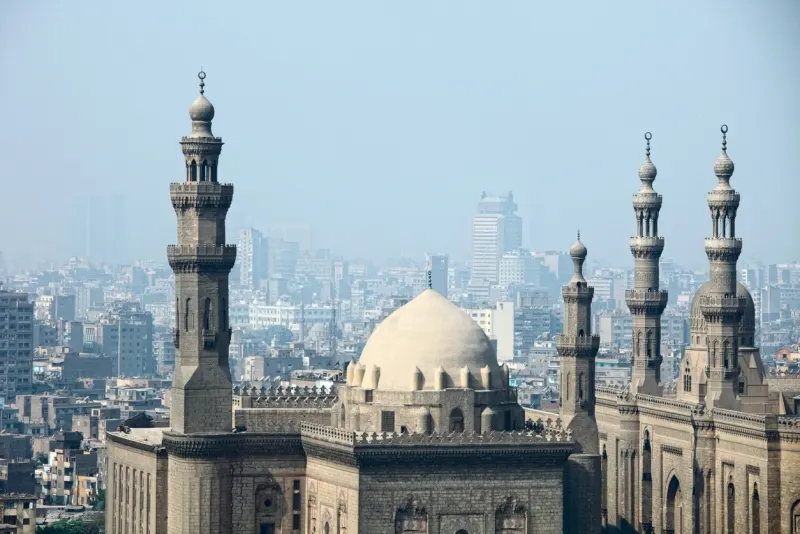
The most recognizable features today—its slender minarets—were added under Sultan Qaytbay and Sultan al-Ghuri. Their designs, with elegant carvings and double finials, remain among Cairo’s most admired architectural achievements.
Ottoman Gates and Domes
The Ottoman period saw major expansion under Abd al-Rahman Katkhuda in the 18th century. He added three monumental gates—Bab al-Muzayinin (the Barbers’ Gate), Bab al-Sa‘ayida, and Bab al-Shurba—and extended the prayer hall southward, doubling its capacity. His renovations unified the various Mamluk additions into a cohesive whole.
Modern Restorations and Preservation
In 2014, a large-scale restoration project funded by King Abdullah bin Abdulaziz of Saudi Arabia brought Al-Azhar into the modern era. The work included advanced surveying, structural reinforcement, and meticulous restoration of stonework, wood carvings, and inscriptions.
Modern systems such as lighting, fire safety, and drainage were added without altering the mosque’s historic integrity.Today, Al-Azhar Mosque stands both as a functioning house of worship and as an architectural chronicle of a thousand years of Islamic art and innovation.
Customize Your Dream Vacation!
Get in touch with our local experts for an unforgettable journey.
Plan Your Trip
The Rise of Al-Azhar University
From Mosque School to Global Institution
What began as small circles of scholars teaching under mosque arches evolved into one of the world’s oldest and most influential universities. By 989 CE, Al-Azhar was already offering diverse subjects such as jurisprudence, grammar, astronomy, and philosophy.
Its official designation as a university came in 1961, transforming it into a modern institution while preserving its religious character. Today, Al-Azhar attracts tens of thousands of students from over 100 countries, continuing its legacy as a beacon of Islamic education.
Curriculum Evolution: From Theology to Science
Initially limited to theology and Arabic studies, Al-Azhar gradually expanded its curriculum. During medieval times, philosophy and medicine were introduced, removed, and later reintroduced in the 19th century. The 1961 reforms added faculties in science, medicine, agriculture, engineering, and commerce, creating a holistic educational model.
The establishment of a Women’s College in 1962 further demonstrated Al-Azhar’s commitment to accessible education.
Role in Islamic Jurisprudence and Global Influence
Al-Azhar remains one of the most authoritative voices in Sunni jurisprudence. Its scholars issue fatwas and guide religious practice worldwide. The university’s model has been replicated across the Muslim world—in Syria, Sudan, Malaysia, and beyond—spreading its balanced and scholarly approach to Islamic education.
Al-Azhar’s Role in Politics and Society
Resistance During French Occupation
When Napoleon invaded Egypt in 1798, Al-Azhar became a center of national resistance. Its scholars led revolts, issued religious decrees condemning the occupation, and turned the mosque into a rallying point for Egyptian identity.
Relationship with Rulers
Throughout history, Al-Azhar maintained a delicate relationship with Egyptian rulers. Under Muhammad Ali, it lost some independence but gained modern subjects in its curriculum. Later monarchs, including King Farouk, sought the institution’s religious legitimacy to support their reigns.
Post-Revolution Integration
After 1952, the Egyptian state brought Al-Azhar under official control, with the government gaining authority to appoint the Grand Imam. Despite this, the mosque retained its moral and religious influence as a moderate voice in the Islamic world.
Modern Influence
Today, Al-Azhar continues to play a vital role in guiding Islamic thought. Its scholars address contemporary issues—from extremism to ethics and finance—providing balanced interpretations rooted in centuries of tradition.
You’ll find that Al-Azhar Mosque in Cairo was founded in 970 CE by the Fatimid dynasty under General Jawhar al-Siqilli. It officially opened for prayers in 972 CE, marking the start of its long history as both a spiritual and educational center in Egypt.
You might be surprised to learn that teaching at Al-Azhar began as early as 988 CE. Over the centuries, it evolved into the world’s oldest operating university. In 1961, under President Gamal Abdel Nasser, it became a full-fledged university that now combines Islamic studies with modern fields like medicine, engineering, and science.
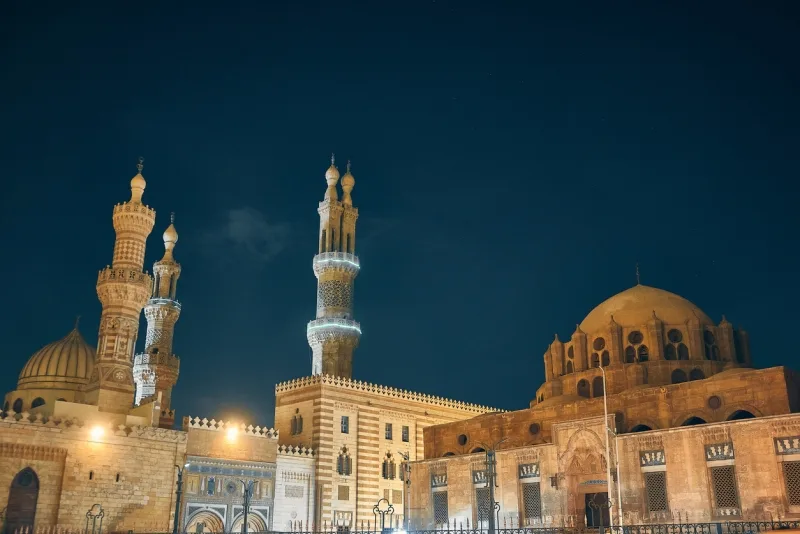
When you explore Al-Azhar Mosque, you’ll see an incredible blend of Fatimid, Mamluk, and Ottoman architecture. Its graceful minarets, marble courtyards, and historic gates showcase more than a thousand years of Islamic art and heritage right in the heart of Old Cairo.
You’ll notice that Al-Azhar University’s curriculum has expanded far beyond its original religious teachings. While it still focuses on Quranic studies, Islamic law, and Arabic, it now includes modern disciplines such as economics, medicine, and technology, preparing students for a wide range of global careers.
You’ll understand Al-Azhar’s importance when you see how deeply it’s woven into Egypt’s religious and cultural life. For over a millennium, it has shaped Islamic scholarship, inspired social reform, and played a major role in Egypt’s national and political movements, making it one of the country’s most respected institutions.



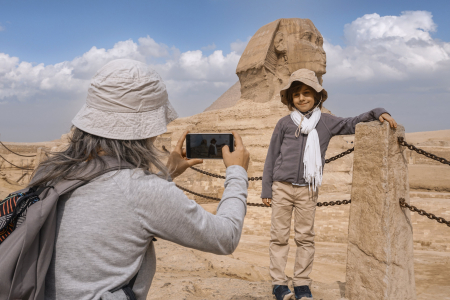

The Egyptian Museum houses 120,000+ artifacts including hidden treasures like the Narmer Palette, Khufu's tiny statuette, and the Dush Treasure beyond Tutankhamun's fame.
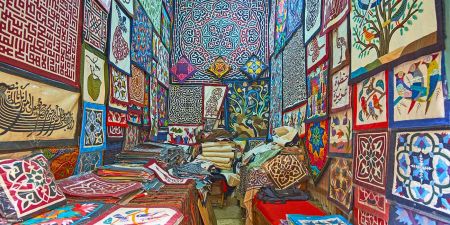
Step into Cairo’s Khayamiya Tentmakers Bazaar and admire exquisite appliqué art. Uncover the beauty of Egyptian textiles and local craftsmanship.
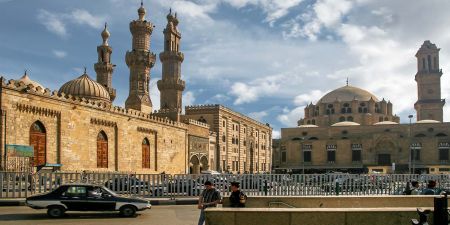
Explore Islamic Cairo's best mosques, bustling bazaars, and architectural marvels in this essential guide to the city's timeless attractions.
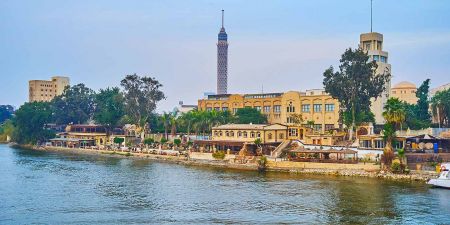
Explore Zamalek Cairo, a chic island district on the Nile. Find attractions, restaurants, and culture in our complete Gezira guide.

Explore Downtown Cairo, Egypt’s modern heart. Uncover Belle Époque architecture, lively streets, and rich city culture in one destination.

Visit The Hanging Church Cairo to witness a unique Coptic marvel on Roman towers. Learn about its fascinating past and cultural significance.
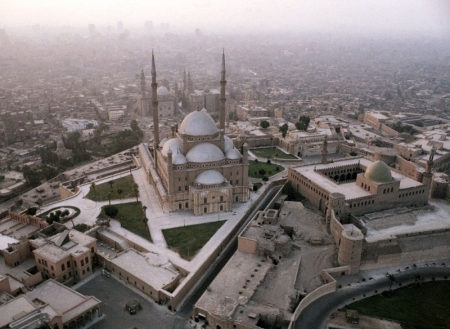
Visit Salah El-Din Citadel Cairo with our guide to its iconic mosques, fortress walls, and centuries of captivating history.
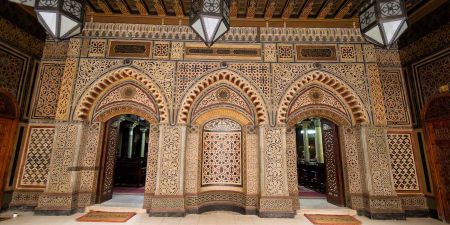
Uncover the timeless allure of Old Cairo. Journey through Coptic Cairo's ancient churches, fascinating history, and cultural treasures now.
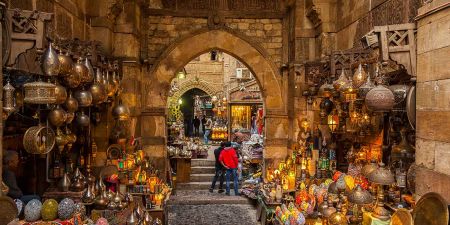
Visit Khan el-Khalili Cairo, a must-see bazaar renowned for its rich history, bustling shops, and authentic Egyptian experience.
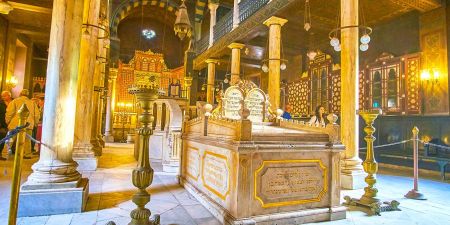
Discover the rich history of Ben Ezra Synagogue Cairo, a stunning landmark of Jewish heritage nestled in the heart of Coptic Cairo.
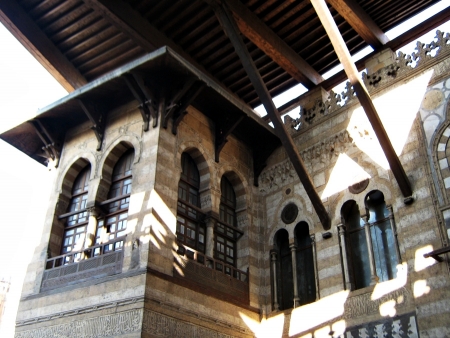
Experience the charm of El Ghorya Cairo, a stunning Mamluk complex renowned for its breathtaking Tanoura dance shows and rich heritage.
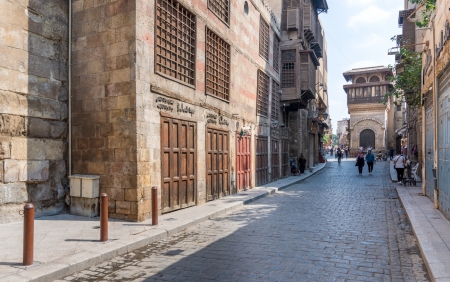
Uncover the beauty of Al Aqmar Mosque Cairo. Learn about its history, architectural wonders, and essential visitor tips in this comprehensive guide.
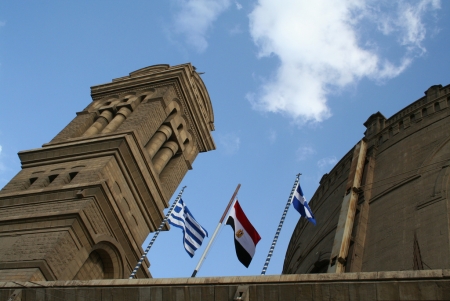
The Coptic Museum lies behind the walls of the famous Roman fortress of Babylon in the ancient district of Cairo (Misr Al-Qadima).

Discover the history and charm of the Cairo Opera House, Egypt’s hub for music, ballet, and cultural performances. Plan your visit today.
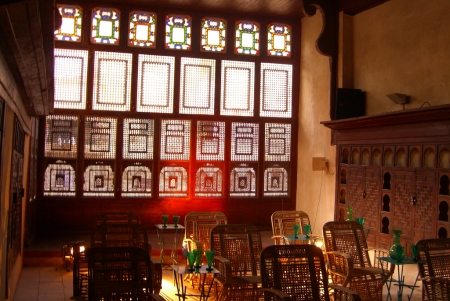
Discover Bayt Al Suhaymi Cairo—an authentic glimpse into Ottoman life. Visit beit el seheimy for rich architecture, culture, and history.
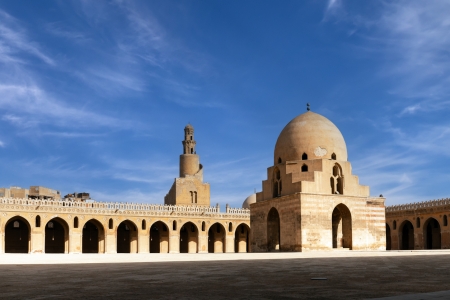
Step into history with Ahmed Ibn Tulun Mosque. Learn about its stunning architecture, captivating past, and importance in Islamic culture.
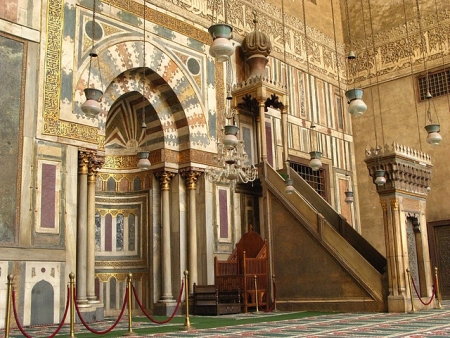
Unveil the fascinating history of the Mosque and Madrasa of Sultan Hassan, Cairo’s iconic Mamluk monument celebrated for its grandeur and artistry.
Explore the Museum of Islamic Art, Doha’s cultural gem. Witness stunning collections where the story of Islamic art and history beautifully unfolds.
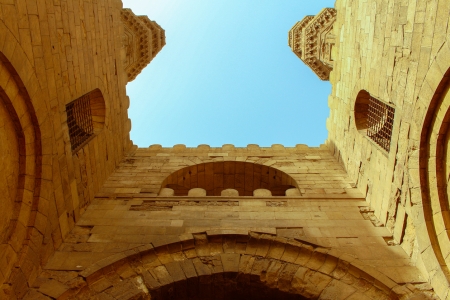
Journey through Old Cairo’s history at Bab Zuweila. Uncover stories, architecture, and secrets of this legendary city gate.

Journey into Egypt’s past at the Mosque of Amr ibn al-As. Learn its history and explore this cornerstone of Islamic culture in Cairo.
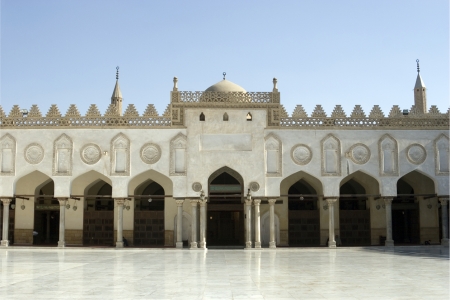
Uncover the significance of Al Azhar Mosque, Cairo’s grand mosque and prestigious university—a cornerstone of Islamic heritage and learning.

Visit Sultan Al Mansur Qalawun Mosque in Islamic Cairo—Marvel at this Mamluk masterpiece and learn about its fascinating historical significance.
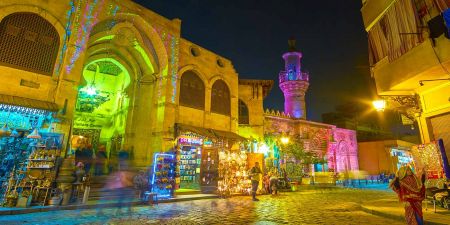
Discover the wonders of Al-Muizz Street Cairo—immerse yourself in stunning Islamic architecture, lively bazaars, and rich cultural heritage.