
 Home
What Are the Best Things to Do in Oslo That Tourists Usually Miss?
The best hidden things to do in Oslo include walking the old wooden streets of Damstredet, visiting Old Aker Church, following the Akerselva river and seeing the Emanuel Vigeland Museum. You can also eat brown-cheese waffles in Grünerløkka and hike quiet forests just a metro ride away.
Most visitors stick to the Opera House, Akershus Fortress and Vigeland Park. Those are worth seeing, but they only show you one side of the city.
This guide takes you a few streets further. You’ll find quiet lanes, small museums, local food spots and nature that locals enjoy every week.
Skip the guesswork and see the real Oslo. Our Norway tours take you beyond the landmarks, with expert guides and every detail handled.
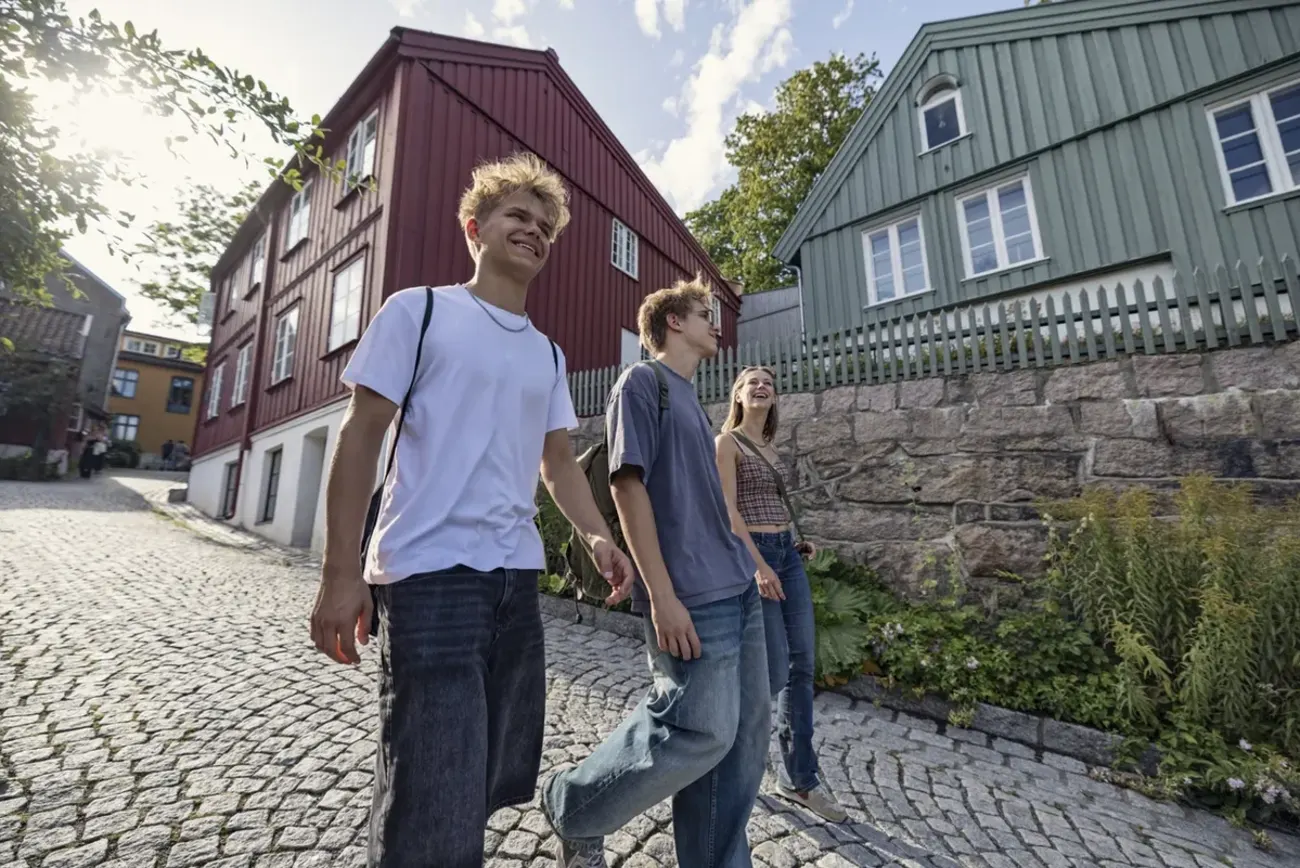
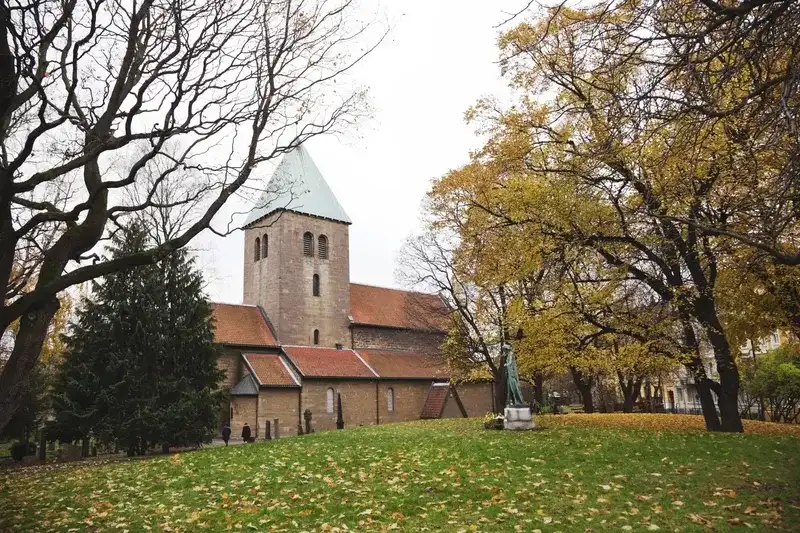
Table of Contents:
1-Which Quiet Streets and Neighborhoods Should You Explore?
2-Which Hidden Museums Are Worth Your Time?
3-Where Should You Eat, Drink and Spend the Evening?
4-Where Can You Find South Asian Food?
5-Where Can You Find Nature Close to the City?
1-Which Quiet Streets and Neighborhoods Should You Explore?
Explore Damstredet, Telthusbakken, St. Hanshaugen and the Akerselva river path. They are all free, close to downtown and full of local character.
These places show you a calmer, older Oslo. You’ll see wooden houses, a medieval church, hilltop views and old factory buildings by the water.
Best of all, they sit close together. You can walk between most of them in a single morning without needing a ticket or a bus.
Why Should You Walk Damstredet and Telthusbakken?
These cobbled streets feel like a 19th-century painting. Their low wooden houses date from the late 1700s and 1800s, and people still live in them today.
Damstredet is only 160 metres long, narrow and slightly crooked. It feels more like a country lane than a street in a capital city.
Telthusbakken is about 260 metres long and runs beside allotment gardens and the “Love Trail” footpath. Edvard Munch’s grave, in Vår Frelsers gravlund, is a few minutes’ walk away.
Practical fact: Free at any time. These are private homes, so keep your voice down; early morning gives the best light for photos.
What Makes Old Aker Church Special?
It is Oslo’s oldest surviving building and its only medieval church. Historians date it to between about 1080 and the mid-1100s.
The church is built of limestone in the Romanesque style. You’ll notice thick walls and small round arches, much plainer than later Gothic churches.
Inside, look for the Baroque pulpit and font carved in 1715. The old churchyard around the building is also peaceful and worth a short walk.
Practical fact: Akersbakken 26. It is an active parish with limited open-church days, so check the parish’s hours first. The churchyard is free.
Why Should You Climb St. Hanshaugen?
You get one of the best views of the city from this hilltop park. On a clear day, you can see rooftops, trees and the fjord beyond.
The park’s name comes from the midsummer (St. Hans) bonfires locals lit here from the 1840s. Today, you’ll find ponds, old stone paths and a tower-shaped house from 1875.
At the top, a summer café has served visitors since 1936. Afterwards, walk down into the neighbourhood for bookshops, bakeries and local cafés.
Practical fact: Free and open all year. The café opens in summer only.
How Can You Walk the Akerselva River?
Follow the riverside path for about 8 kilometres from Maridalsvannet lake to the city centre. It is one of the easiest ways to see how Oslo grew.
Along the way, you pass waterfalls, swimming spots and old factory buildings from the city’s industrial past. Historic bridges cross the river at many points.
The most dramatic waterfall is at Mølla, next to Hønse-Lovisa’s House and the Beier Bridge. You can walk a short stretch or the whole route.
Practical fact: Free all year. Wear shoes with good grip, as paths get damp and icy in winter.
2-Which Hidden Museums Are Worth Your Time?
The Museum of Oslo and the Emanuel Vigeland Museum are the best quiet museums. A third, the Jewish Museum, is closed for renovation until about autumn 2028.
These museums are smaller than the big national ones. That means fewer crowds and more time to look at things properly.
Each one tells a different part of Oslo’s story, from everyday city life to art and wartime history. Check opening days before you go, as some are limited.
What Will You See at the Museum of Oslo?
You’ll see how Oslo grew from a medieval town into a modern capital. The exhibits focus on everyday life rather than kings and battles.
Look for a restored tram, old street photos, furniture and ship models from the early city. Changing exhibitions cover different parts of the city’s history.
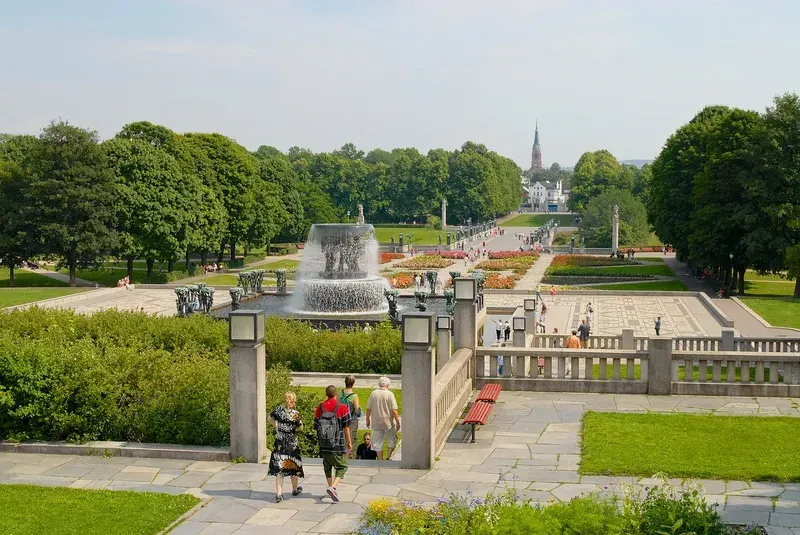
The museum sits next to Frogner Manor in Frogner Park, close to the Vigeland sculptures. You can easily combine both in one afternoon.
Practical fact: Halvdan Svartes gate 58. Open Tuesday–Sunday 11:00–16:00, Thursday until 18:00. Entry is free on the first Thursday of each month.
Why Visit the Emanuel Vigeland Museum?
It is a dark, vaulted room covered in an 800-square-metre fresco called VITA. The painting shows human life from birth to death.
Emanuel Vigeland, brother of sculptor Gustav Vigeland, built it in 1926 to show his art. He later walled up the windows and made it his own tomb.
Inside, it is very dark at first. Give your eyes a few minutes, and the scenes slowly appear around you. Sounds also echo strongly in the room.
Practical fact: Grimelundsveien 8. Sundays only, 11:30–16:00. Tickets cost NOK 140 (NOK 90 for students and seniors, free under 18); book on LetsReg. Take metro line 1 to Slemdal, then walk 7 minutes.
Can You Visit the Jewish Museum?
Not right now. It closed on 1 May 2026 for renovation and plans to reopen in autumn 2028.
The museum tells the story of Jewish life in Norway and what happened during the Holocaust. It is housed in a former synagogue in central Oslo.
While it is closed, look for small brass “Stolpersteine” in the city’s pavements. These stones honour Jews who were deported during the war.
Practical fact: Calmeyers gate 15B. Check the museum’s website for reopening news.
3-Where Should You Eat, Drink and Spend the Evening?
Head to Grünerløkka for waffles and coffee, Grønland for Punjabi food, Vippa for street food by the fjord and Blå for live music.
These spots are popular with locals, not just tourists. Prices are often lower than in the hotel restaurants near the harbour.
Grünerløkka and Grønland sit next to each other, so you can easily visit both in one evening. Vippa is a pleasant walk along the waterfront.
Why Try Haralds Vaffel?
It serves classic Norwegian waffles with brunost (brown cheese), sour cream and jam. The mix sounds strange but tastes great.
Founder Jonathan Larsson started by selling waffles from his bedroom window in 2013. The idea grew into a real shop in Grünerløkka.
Today, you can also try creative toppings, plus vegan and gluten-free options. It’s a quick, cheap and very local snack.
Practical fact: Olaf Ryes plass 3, Grünerløkka. Check opening hours, and expect a queue at weekends.
Where Can You Get Great Coffee?
Try Supreme Roastworks in Grünerløkka. Co-owner Odd-Steinar Tøllefsen won the World Brewers Cup in 2015.
Oslo takes coffee seriously, and this café is one of the city’s best-known roasters. The beans are usually light and fruity.
Order a hand-brewed filter coffee and ask the staff about the beans. They are happy to explain what makes each one different.
Practical fact: Thorvald Meyers gate 18A. Opening hours change by season.
Customize Your Dream Vacation!
Get in touch with our local experts for an unforgettable journey.
Plan Your Trip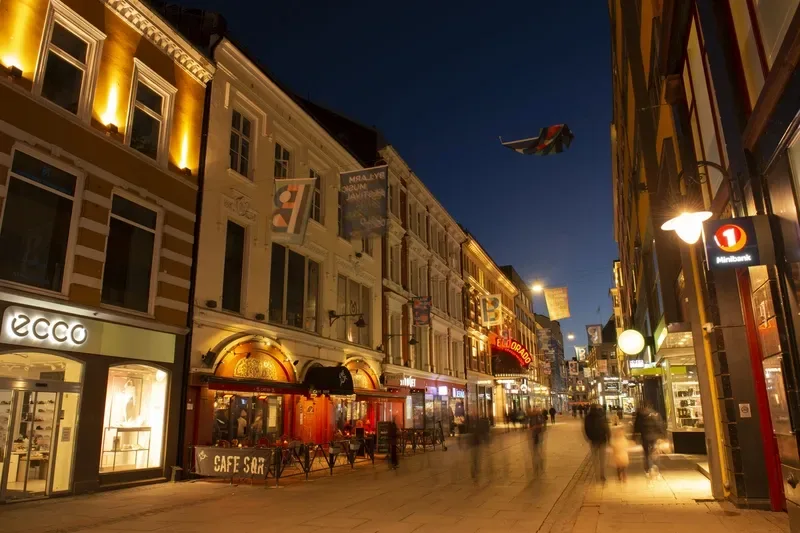
4-Where Can You Find South Asian Food?
Go to Grønland, a lively, multicultural area near the centre. It is full of small restaurants, grocery shops and busy streets.
Punjab Tandoori is a long-running favourite for tandoori dishes, curries and naan from the clay oven. Meals are filling and budget-friendly.
Nearby, Chaiwala serves Indian food on the pedestrian street Smalgangen. It’s a good stop if you want a lighter meal or a cup of chai.
Practical fact: Punjab Tandoori is at Grønland 24 and Chaiwala at Smalgangen 14, both near Grønland metro station.
What Is Vippa?
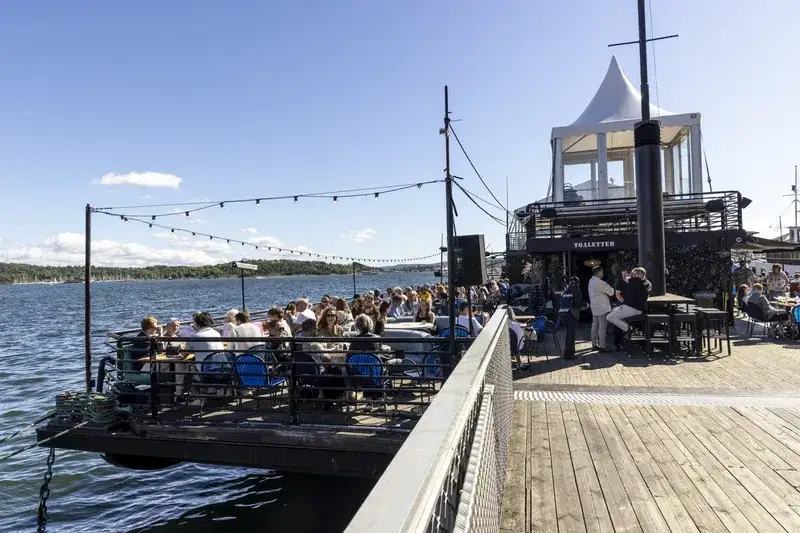
Vippa is a street-food hall in an old harbour warehouse at the tip of Vippetangen, with views over the fjord. Its stalls serve food from around the world.
It runs as a social enterprise that helps immigrants and young food entrepreneurs start businesses. Your meal supports that work.
In summer, take your food outside and sit by the water. The hall also hosts concerts, talks and after-work events.
Practical fact: Akershusstranda 25, about a 15-minute walk from City Hall past Akershus Fortress. Hours vary by season, so check vippa.no.
Where Can You Hear Live Music?
Visit Blå, a riverside venue in Grünerløkka that opened as a jazz club in 1998. It is one of Oslo’s best-known music spots.
Today, it hosts jazz, hip-hop, electronic and indie acts. Concerts often start early, and club nights follow later.
In summer, the outdoor terrace by the Akerselva river fills up. It’s a relaxed place to start or end your evening.
Practical fact: Brenneriveien 9C. Popular shows sell out, so book ahead.
5-Where Can You Find Nature Close to the City?
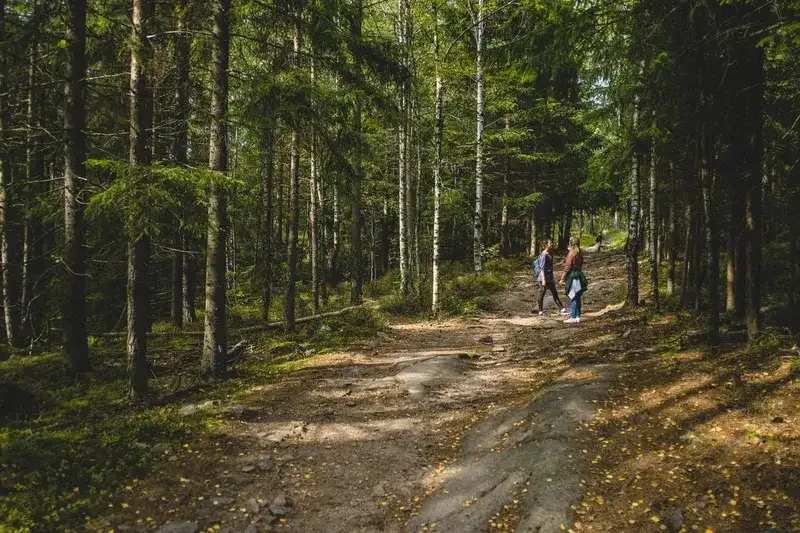
You can reach forests, lakes, islands and an outdoor art site by metro or ferry. Østmarka, Nøklevann, Gressholmen and Roseslottet are the best picks.
You don’t need a car or a guide for any of them. A regular public transport ticket gets you there in under an hour.
Pack water, a snack and good shoes. In summer, bring swimwear too, as many lakes and coves are good for a dip.
What Is the Best Walk in Østmarka?
Try the walk from Østmarksetra to Mariholtet. It is 7.8 kilometres one way and takes 2.5–3.5 hours at an easy pace.
The trail runs through quiet spruce forest and passes several lakes. In summer, they are great for a swim.
At the end, the Mariholtet café is a good place to rest. Closer to the start, a short marked loop circles Ulsrudvann lake.
Practical fact: Metro line 3 to Ulsrud, then walk about 1 kilometre uphill. Plan your return, since the walk is one way.
Why Take the Ferry to Gressholmen?
You get island paths, quiet swimming coves and one of the oldest lighthouses in the inner Oslofjord, all a short ferry ride from the centre.
Gressholmen connects to two small neighbouring islands, Rambergøya and Heggholmen. Much of the area is a nature reserve, so stay on the paths.
Parts of the island are fenced off because of old pollution from a former shooting range. Follow the signs, and don’t eat berries, mushrooms or shellfish from there.
Practical fact: Ruter’s island ferries leave from the City Hall piers by Aker Brygge. Boats run all year but much less often in winter.
How Do You Explore Nøklevann?
Walk the 8.3-kilometre gravel loop around the lake. The path is wide and easy, with forest on both sides.
On the way, you pass the ruins of the old Sarabråten estate. Bråten, at one end of the lake, is a popular swimming spot.
In winter, the loop becomes a ski trail. In summer, you can paddle on the lake if you join the local club.
Practical fact: Metro line 3 to Bogerud, then walk 1 kilometre to Rustadsaga café. Canoes and kayaks are available through the NRPK paddling club (membership needed).
What Is Roseslottet?
Roseslottet is an outdoor art site with nearly 300 works about Norway’s wartime occupation from 1940 to 1945. Brothers Vebjørn and Eimund Sand created it in 2020.
The paintings, sculptures and installations tell personal stories from the war. It sits on a forested hilltop with views over the city.
It was first meant to be temporary. In March 2026, Norway’s parliament voted to secure it as a permanent national memorial.
Practical fact: 50 metres from Frognerseteren station, at the end of metro line 1. Entry is paid; check hours on roseslottet.no.
How Do These Places Compare?
Most of these things to do in Oslo are free and open all year, while a few need a ticket, a Sunday visit or summer weather.
Use the table below to plan your days. It shows cost, booking needs, the best time to go and how to get there.
| Place | Cost | Booking | Best time | Getting there |
| Damstredet & Telthusbakken | Free | No | All year | Walk from centre |
| Old Aker Church | Free | No | All year (check open days) | Walk from centre |
| Museum of Oslo | Paid; free first Thursday | No | Tuesday–Sunday | Tram 12 or bus 20 |
| Emanuel Vigeland Museum | NOK 140 | Recommended | Sundays only | Metro 1 to Slemdal |
| Gressholmen | Ruter ticket | No | Summer | Island ferry |
| Nøklevann | Free | No | All Year | Metro 3 to Bogerud |
| Roseslottet | Paid | Buy Online | Check Website | Metro 1 to Frognerseteren |
For an easy day, walk Damstredet, Old Aker Church and St. Hanshaugen in the morning. Then follow the river down to Grünerløkka for waffles and coffee.
Oslo’s best moments are often found off the main streets, in a quiet lane, a riverside café or a forest trail. Let us plan a Norway tour that takes you there, with local guides and every detail taken care of.
Rarely. Cards and mobile payments are accepted almost everywhere. Some cafés, venues and shops don’t take cash at all. A card that works abroad is usually all you need. It’s still smart to carry a backup card in case one doesn’t work.
Yes. Most people in Oslo speak English well. Learning a simple “takk” (thank you) is still a friendly touch.
Yes. Oslo’s tap water is clean and safe to drink. Bring a refillable bottle to save money, as bottled water can be expensive. You can fill up at your hotel, in cafés or before a hike.
Late May to early September is best for long days, swimming and summer cafés.Autumn brings colourful forests and fewer crowds. Winter is cold and dark, but the forests around the city are great for skiing. Whatever the season, pack layers, as the weather can change quickly.
Two to three days lets you see the main sights and several hidden things to do in Oslo. With one extra day, you can add a forest hike or an island trip. Plan around a Sunday if you want to see the Emanuel Vigeland Museum.
Use the Ruter app. One ticket covers the metro, trams, buses and city ferries within your zone.Buy your ticket before you board. You can choose single tickets or passes for one or more days.The app also shows routes and live departure times, which makes planning easy.
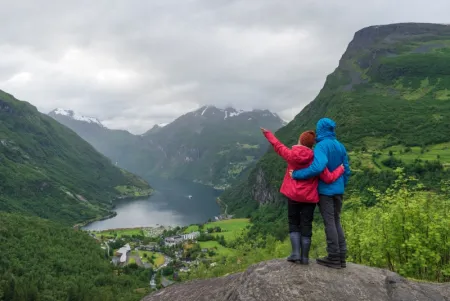
Discover why Norway is so hard to forget, from Geirangerfjord’s cloud-capped cliffs to Bergen’s wooden streets and Tromsø’s Arctic skies, and learn where to go, when to visit, and how to plan a trip that feels like your own.
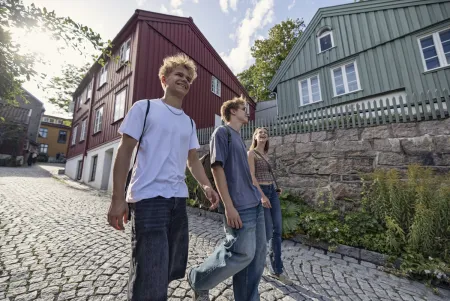
The best hidden things to do in Oslo include strolling the wooden streets of Damstredet, visiting Old Aker Church and following the Akerselva river. You can also try brown-cheese waffles in Grünerløkka and hike quiet forests just a metro ride away. This guide shows you the side of Oslo that most visitors miss.
