
 Home
The Ultimate Japan Travel Guide for First-Time Visitors
One morning you’re weaving through Shibuya’s neon buzz, coffee in hand. The next, you’re wandering a mossy path to an ancient Kyoto temple, the air cool with cedar. That contrast is the magic of Japan, and this Japan travel guide shows you how to experience it.
The best part? Visitors from 74 countries and regions, including the US, UK, Canada, Australia and the EU, can usually stay up to 90 days without a visa. One week can leave you enchanted, and two lets you savour the highlights. Whether you’re chasing cherry blossoms or autumn reds, this Japan travel guide has everything you need to arrive ready.
Key Takeaways
- A little planning goes a long way, and this Japan travel guide is built to help you sort the season, route, transport, and daily essentials before you board, so everything else falls beautifully into place.
- Spring and autumn are your sweet spots for weather; January, February, and June tend to be kinder on your wallet for flights and hotels.
- Seven to fourteen days works well — open with Tokyo, then weave through Kyoto, Nara, Osaka, and one stop near Fuji, without cramming the calendar.
- Golden Week, Obon, and New Year are worth working around; if your dates overlap any of these, grab shinkansen seats and attraction tickets the moment booking opens.
- Price out your route before committing to a JR Pass, keep an IC card loaded for city transit, and send heavy bags ahead between cities to travel light.
- Arrive with some yen in your pocket, an eSIM or pocket Wi-Fi ready to go, travel insurance sorted, and a feel for local etiquette — shoes off at the right moments, phone on silent on trains, camera lowered where signs ask.
When Should You Visit Japan, and How Long Should You Stay?
The season you pick shapes everything — the colors you’ll see, the crowds you’ll fight, the festivals you’ll stumble into, and yes, how much you’ll spend. Any good Japan travel guide will tell you that spring and autumn are Japan at its most cinematic, while summer and winter each carry their own distinct magic for the traveler who knows what to look for. Stack your preferred season against Japan’s major holiday rushes and your available days, and your perfect travel window starts to take shape.
Spring and Autumn: Weather, Blossoms, Fall Colors, and Crowds
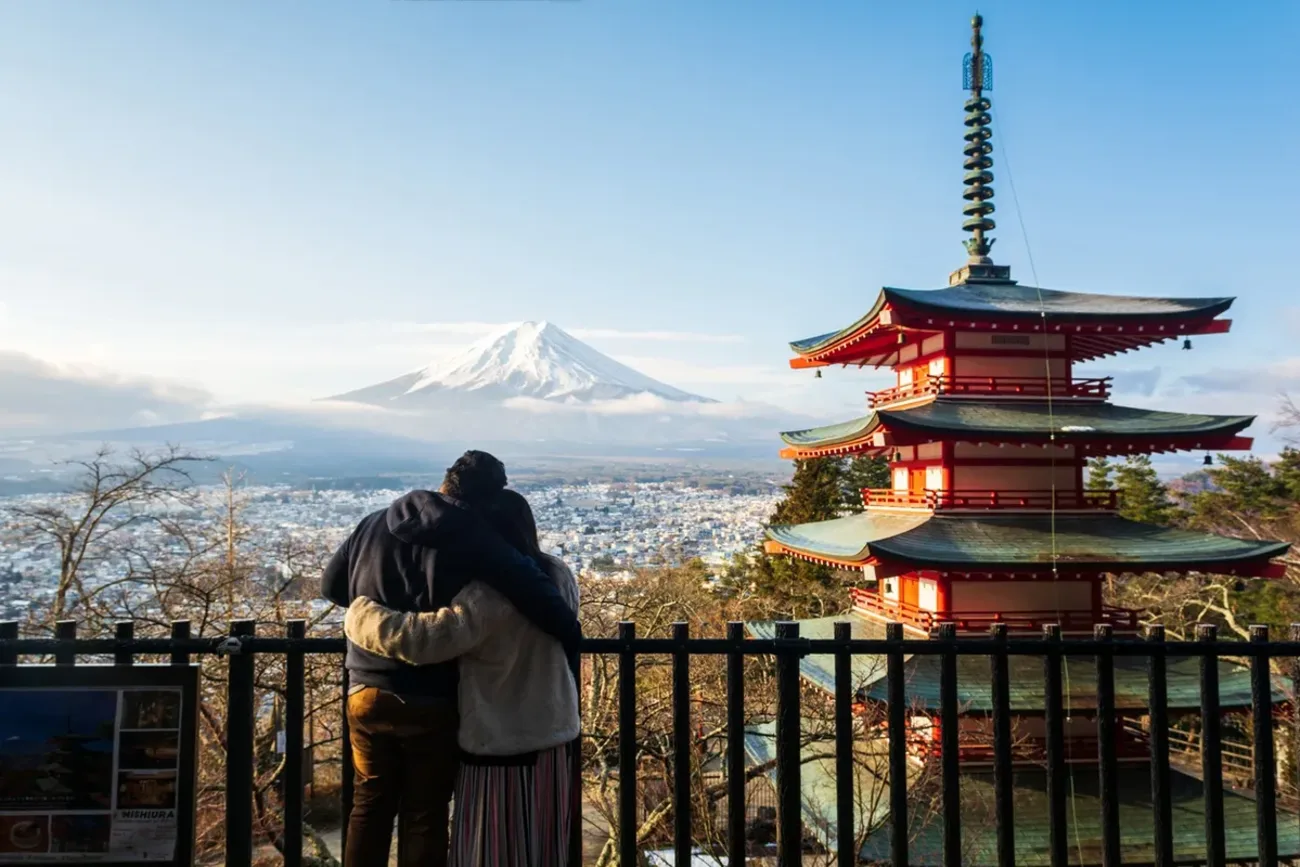
There’s a reason the whole world seems to descend on Japan in spring, and no Japan travel guide can overstate it — those cherry blossoms are genuinely as spectacular as every photograph promises. Spring (March to May) and autumn (September to November) deliver the most comfortable temperatures and the most jaw-dropping scenery, though spring comes with higher prices and noticeably thicker crowds. In Tokyo, average highs climb from about 57°F in March to about 74°F in May, with blossoms opening in Tokyo and Kyoto in late March, sweeping through central and northern Honshu in April, and finally reaching Hokkaido in late April to early May.
Autumn starts warm — Tokyo still averages highs around 80°F in September before cooling to about 62°F in November. The koyo foliage front travels in reverse, with gold and crimson starting in Hokkaido’s mountains in mid-to-late September and reaching Tokyo and Kyoto in late November to early December. Crowds tend to thin out compared to spring, so this Japan travel guide rates late November as a wonderful sweet spot if the blossoms aren’t your priority.
Summer and Winter: Festivals, Skiing, Heat, and Rain
Summer in Japan is not for the faint-hearted, as every honest Japan travel guide warns — June and most of July bring the tsuyu rainy season, and by August Tokyo averages highs near 88°F, with heatwaves regularly pushing past 95°F and humidity that clings to everything. But oh, what it gives you in return. Kyoto’s Gion Matsuri fills the entire month of July with processions, lanterns, and centuries of tradition, while Tokyo’s Sumida River fireworks, held on the last Saturday of July, paint the summer sky with around 20,000 shells in a single night.
Winter is a quieter, crisper affair — Tokyo’s average highs settle around 50–54°F (Hokkaido is far colder), Niseko and Hakuba fill with skiers chasing some of Asia’s finest powder, and Sapporo’s Snow Festival turns early February into a wonderland of ice sculptures. For travelers watching their budgets, this Japan travel guide points to mid-January through February and June as consistently among the cheapest times to fly in and book a room.
Golden Week, Obon, and New Year: Busy Dates to Check
Three stretches of the Japanese calendar turn the country’s trains and hotels into an entirely different beast, so mark them before you use the rest of this Japan travel guide. Golden Week 2027 runs from Thursday, April 29 to Wednesday, May 5, with a solid five-day block from May 1–5, when tens of millions of Japanese residents travel at once. Obon falls on August 13–16, 2027, though congestion builds in the days before. Over New Year, government offices, banks, and many smaller businesses close from about December 29 to January 3, while convenience stores, big shrines, and many department stores stay open. If your dates brush up against any of these windows, reserve your shinkansen seats the moment booking opens — usually one month before travel, at 10:00 a.m. Japan time.
Trip Length and Budget: Choosing Between 7, 10, and 14 Days
Seven days is really the minimum this Japan travel guide recommends — enough to absorb Tokyo, Kyoto, and Osaka without feeling like you’re sprinting between train stations. Every extra block of days opens up something richer.
| Trip Length | Adds |
| 7 days | Tokyo, Kyoto, Osaka |
| 10 days | + Hiroshima, Nara |
| 14 days | + Kanazawa, Hakone |
Costs swing with the exchange rate, season, and hotel choice. For the best value across all lengths, January, February, and June are your friends.

Where Should You Go on Your First Japan Trip?
Five stops build the perfect first-timer’s route in this Japan travel guide: Tokyo, Kyoto, Nara, Osaka, and either Hakone or Kawaguchiko. Each one brings something completely different to the table — neon-drenched city streets, moss-covered temple paths, sizzling street food stalls, and misty mountain horizons — and the best part is you can string them all together without doubling back across the country.
Tokyo: Neighborhoods, Food, and Modern City Life
Tokyo is where your Japan story begins, and for most readers of this Japan travel guide it’s hard to imagine a better opening chapter. Most international flights land here first, which makes it the natural starting point, but Tokyo earns its place at the top of the list on its own merit. Each neighborhood reads like a different city entirely — Shibuya’s scramble crossing, the vintage alleys of Shimokitazawa, the otaku wonderland of Akihabara, the quiet old-town charm of Yanaka. You could spend a full week here and still feel like you’ve only scratched the surface.
Kyoto and Nara: Temples, Gardens, and Historic Streets
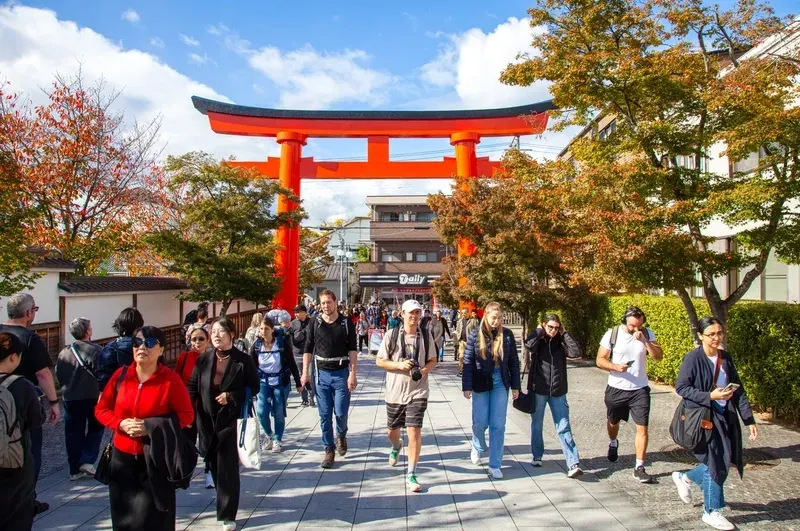
Kyoto is the soul of old Japan, holding more historic temples and traditional gardens than anywhere else on this Japan travel guide’s route. Walking through the vermilion torii gates of Fushimi Inari at dawn or sitting quietly in a moss garden in Arashiyama, you feel centuries of history settle around you like morning mist. Pair Kyoto with Nara, roughly 35–50 minutes by train from either Kyoto or Osaka, and suddenly you’re wandering among free-roaming deer beside 8th-century temples and shrines — a genuinely extraordinary combination for a single day out.
Osaka: Street Food, Nightlife, and Theme Parks
Osaka is a completely different energy, and this Japan travel guide includes it precisely because that contrast makes it such a wonderful addition to the route. The city comes alive at night around Dotonbori and Namba, where the food stalls, izakayas, and neon reflections on the canal create a wonderfully chaotic, deeply joyful atmosphere. During the day, Osaka Castle and Universal Studios Japan hold their own beautifully. And the logistics here are genuinely convenient — Kyoto is about 30–45 minutes away by JR or private railway, and Kansai Airport connects to central Osaka in under an hour, making Osaka a smart base for your Kansai days.
Hakone or Kawaguchiko: Hot Springs and Mount Fuji Views
Choose one, not both — that’s the firm advice of this Japan travel guide. These two towns are a long bus ride apart, and dividing a short stay between them means less time actually soaking in a steaming onsen while Fuji-san watches over the horizon. Hakone is the easier pick for most itineraries — about 90 minutes from Shinjuku on the Odakyu Romancecar — and it fits neatly into the classic Tokyo-to-Kansai flow. There is no direct train from Hakone to Kyoto: take the short ride from Hakone-Yumoto down to Odawara, then a Hikari shinkansen to Kyoto, for a total of roughly 2.5 to 3 hours and about 12,000 yen.
Sample Routes: Linking Your Stops Without Rushing
A 10-day trip arranges itself beautifully as 3 nights in Tokyo, 1 night in Hakone, and 5 nights in Kyoto, using that Kyoto base to fan out on day trips to Nara, Himeji, and Osaka. One practical trick this Japan travel guide swears by: ship your suitcase between cities with a luggage forwarding service for around 2,000–2,700 yen per bag. That way you’re stepping onto the shinkansen with just a daypack, completely unbothered, free to enjoy the journey rather than wrestle overhead storage. It’s a small detail that makes the whole trip feel far more relaxed.
How Should You Book Your Stay and Travel Around Japan?
Flights, hotels, and trains — this Japan travel guide recommends sorting all three well before your departure date so the whole trip clicks into place beautifully. Japan rewards early planners, and the logistics, once understood, are genuinely one of the most exciting parts of the journey.
Flights and Airports: Comparing Haneda, Narita, and Kansai
Three airports handle most of the international traffic flowing into Japan, and choosing the right one is the first booking decision in this Japan travel guide. Haneda sits closest to central Tokyo, making it a dream for city arrivals, while Narita, about 60 km east of the city, absorbs a large share of long-haul and budget routes. Kansai Airport, meanwhile, opens the door directly to Osaka, Kyoto, and Nara. The simplest rule: let your first destination choose your arrival airport.
Places to Stay: Hotels, Ryokans, Hostels, and Capsule Hotels
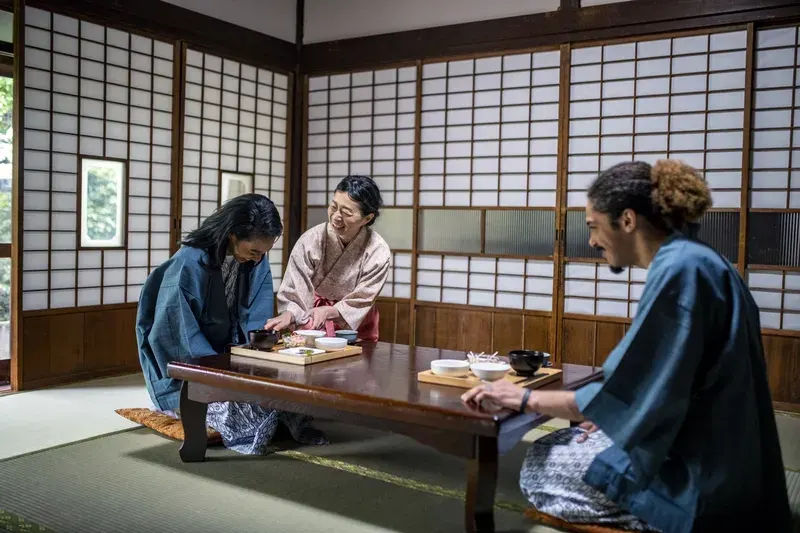
Japan’s accommodation scene is wonderfully layered, and this Japan travel guide suggests mixing at least two styles. Business hotels offer clean, efficient comfort; vacation rentals give you space to breathe; and then there are the ryokan — traditional inns where tatami floors, yukata robes, and multi-course kaiseki dinners turn an overnight stay into a full cultural experience. Tucking in a night at a capsule hotel somewhere along the way adds yet another texture to the trip, and frankly, it’s something you won’t find quite like this anywhere else in the world.
Getting Between Cities: Trains, Flights, Buses, and Rural Car Rental
The shinkansen bullet train is the star of any Japan travel guide, and it’s nothing short of spectacular. Its fastest services reach 320 km/h (about 200 mph) on the Tohoku line, and up to 285 km/h on the Tokyo–Osaka Tokaido line, making distance feel almost irrelevant. Tokyo to Shin-Osaka offers three flavors of speed: the Nozomi takes about 2 hours 30 minutes, the Hikari about 3 hours, and the Kodama about 4 hours. For areas beyond the main rail corridors, domestic flights, highway buses, and rental cars handle the gaps perfectly well.
Rail Passes: Comparing Pass Prices With Your Planned Fares
The JR Pass is worth running the numbers on before you commit, and this Japan travel guide recommends pricing your exact route first. Here’s what the current Ordinary-class adult pricing looks like:
| JR Pass Duration | Official Online Site | Overseas Travel Agents (since Oct 1, 2026) |
| 7-day | 50,000 yen | 53,000 yen |
| 14-day | 80,000 yen | 84,000 yen |
| 21-day | 100,000 yen | 105,000 yen |
A simple Tokyo–Kyoto–Osaka round trip usually costs less in individual tickets than a 7-day pass, and riding the Nozomi on a pass requires an extra supplement. Plug your actual route into a rail pass calculator and let the math tell you whether the pass earns its keep.
Local Travel: Airport Transfers, IC Cards, and Station Exits
Once you’re inside a city, IC cards are the best tip in this Japan travel guide. Suica, Pasmo, and Icoca all work seamlessly across trains, subways, and buses in most major cities. The Welcome Suica is a particularly smart option for visitors — it skips the 500 yen deposit, stays valid for 28 days as a physical card or 180 days through the iPhone-only Welcome Suica Mobile app, and holds up to 20,000 yen at a time. Just remember that its leftover balance is not refundable, so top up in small amounts.
Booking Ahead: Attraction Tickets, Train Seats, and Luggage Delivery
One of Japan’s most charming conveniences, and a favorite of this Japan travel guide, is luggage forwarding. Yamato Transport’s TA-Q-BIN service delivers a standard suitcase between Tokyo and Kyoto hotels the next day for roughly 2,000–2,700 yen, though drop-off cut-off times vary by hotel, convenience store, or counter. If you need your bag the same evening, a premium Shinkansen-based Tokyo–Kyoto service covers selected hotels for over 13,000 yen. Keeping a bag with you instead? On the Tokaido, Sanyo, and Kyushu shinkansen, any suitcase whose length, width, and height add up to more than 160 cm needs a free oversized-baggage seat reservation.
Customize Your Dream Vacation!
Get in touch with our local experts for an unforgettable journey.
Plan Your Trip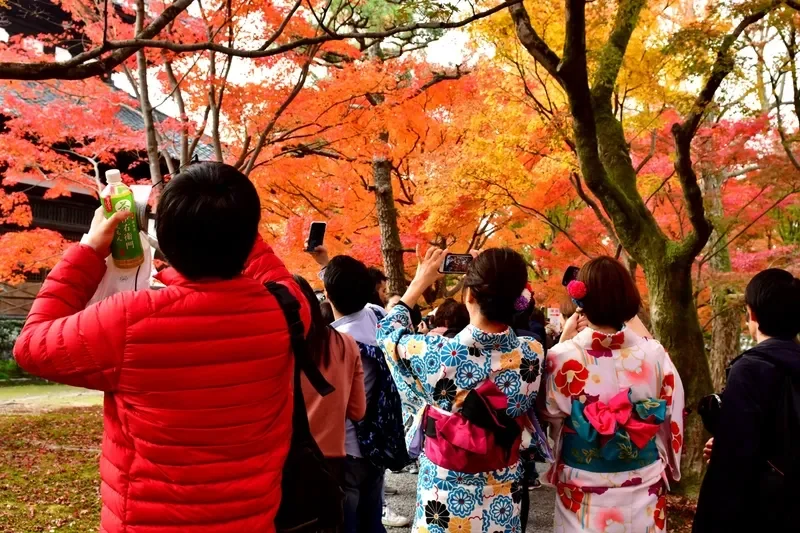
What Should You Prepare for Daily Life in Japan?
Getting the practical bits sorted before your flight lands makes all the difference between a smooth first morning in Tokyo and a scrambled one, which is why this Japan travel guide ends with the essentials. Entry rules, cash, phone access, and a handful of cultural habits — once these are squared away, everything else falls into a lovely rhythm almost on its own.
Entry and Health: Official Visa Checks, Visit Japan Web, and Insurance
Start with your passport: Japan only requires it to be valid for your whole stay, but some airlines insist on more, so this Japan travel guide suggests having at least six months left to be safe. Before you fly, register on Visit Japan Web, the free government site that turns your immigration and customs forms into a QR code — it’s optional, but it speeds up arrival at the big airports. Travel insurance deserves a spot on your list too, because Japan’s world-class healthcare comes with bills that add up fast if you’re uninsured. Jot down Japan’s emergency numbers somewhere easy to find: 119 connects you to ambulance and fire services, and 110 reaches the police.
Money: Cash, Cards, ATMs, and Japan’s New Tax-Free Shopping System
Japan’s relationship with cash is still very much alive, particularly at small shops, temples, and rural spots, so this Japan travel guide recommends always carrying some yen. Convenience store ATMs — 7-Eleven, Lawson, and FamilyMart — plus Japan Post ATMs are your most reliable friends for withdrawals, though check your bank’s international fees first. In the cities, credit cards and contactless payments, including Apple Pay and Google Pay, are now widely accepted.
Tax-free shopping also works differently now. Since November 1, 2026, visitors pay the full price including Japan’s 10% consumption tax at participating stores, then claim the refund when leaving Japan after customs checks the goods at the airport or seaport. Keep your receipts and purchases together, don’t use or eat tax-free items before departure, and leave extra time at the airport.
Phone Access: eSIMs, Pocket Wi-Fi, Maps, and Translation Tools
Staying connected is easier than ever, and in this Japan travel guide the right choice comes down to the size of your group. Solo travelers and couples tend to find an eSIM the neatest solution. Traveling with a bigger crew? A pocket Wi-Fi unit shared among three or more people stretches the value considerably. Whatever you do, check your carrier’s roaming rates first, as they can add up quickly.
Food: Ordering Meals, Sharing Dietary Needs, and Finding Local Dishes
Japan’s food culture is one of its greatest gifts, and this Japan travel guide promises that ordering needn’t feel intimidating even if the menu is entirely in Japanese. Many restaurants display photo menus, plastic food models, or ticket machines near the entrance — point with confidence, and you’ll rarely go wrong. Translation apps fill the gaps beautifully for anything that needs a closer read, and chefs genuinely appreciate the effort to communicate dietary needs clearly rather than quietly hoping for the best.
Etiquette: Trains, Temples, Shoes, Onsen, and Respectful Photography
A handful of habits from this Japan travel guide will carry you through almost every situation with grace. Shoes come off when you step inside temple halls, ryokan, onsen changing areas, and some restaurants — look for the raised step and the rows of footwear, and you’ll know the moment has come. At most Shinto shrines, the customary greeting goes bow twice, clap twice, then bow once more — a ritual that feels surprisingly natural after the first try. Photography outdoors is generally welcomed, but once you step inside halls and sanctuaries the rules tighten, so read the posted signs before raising your camera.
Packing and Safety: Seasonal Clothes, Comfortable Shoes, and Emergency Alerts
Japan is a destination best explored on foot, and this Japan travel guide treats 10,000 steps on any sightseeing day as an easy baseline — some days will push well past that. Comfortable, well-worn shoes earn their place at the very top of your packing list. Layer your clothing for the season, keep a small bag for temple shoe-removal stops, and download JNTO’s free Safety tips app, which sends earthquake, tsunami, and weather alerts in English.
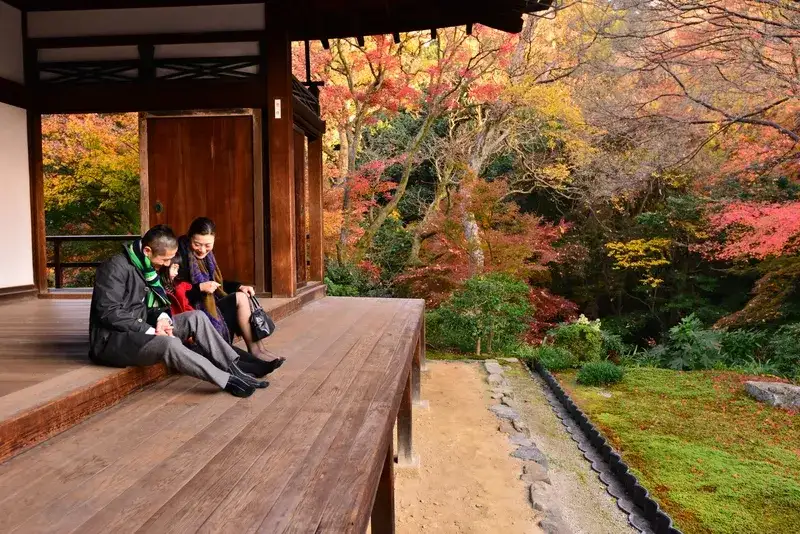
Are You Ready for Your First Japan Trip?
Your first Japan trip comes down to a few clear choices, and this Japan travel guide has walked you through each one: pick a season, lock in Tokyo, Kyoto, Nara, and Osaka, book trains and stays early, and prepare cash, connectivity, and etiquette basics. Altogether, these pieces turn an overwhelming destination into a manageable plan. Once you’ve sorted dates and routes, the rest falls into place naturally. Pack light, stay flexible, and you’ll find Japan rewards first-timers who plan well without reservation.
No. Tipping isn’t part of the culture, and staff may politely refuse or chase you down to return the money, so this Japan travel guide says to skip it. Some high-end restaurants and hotels add a 10–15% service charge to the bill instead.
Yes. The International Tourist Tax is 3,000 yen per person for each departure by air or sea, raised from 1,000 yen on July 1, 2026. It’s normally built into your airline or ferry ticket, and children under two are exempt.
Not yet. Japan plans to launch JESTA, an online pre-travel authorization for visa-exempt visitors similar to the US ESTA, by the end of fiscal year 2028 (April 2028 to March 2029). Trips in 2027 need no extra step, but check again if you’re booking for 2028 or later.
Most personal medications are fine in limited amounts — up to a one-month supply of prescription drugs and a two-month supply of over-the-counter ones. Some common cold and allergy medicines, such as those containing pseudoephedrine, and stimulant ADHD drugs like Adderall are banned. Bringing more than the allowance, syringes, or certain controlled medicines requires an import certificate (Yunyu Kakunin-sho, formerly Yakkan Shoumei) arranged before you fly.
Yes. Short-term visitors are legally required to carry their passport while in Japan, and you’ll need it for hotel check-in and tax-free purchases. A photocopy isn’t a substitute if police ask to see it.
Japan uses Type A two-flat-pin plugs at 100 volts, the same plug shape as the US and Canada. Most phone and laptop chargers handle 100–240V, but visitors from Europe, the UK, and Australia need a plug adapter, and high-wattage devices like hair dryers may need a converter.
Yes. Tap water is safe throughout Japan, and many stations and parks have drinking fountains, so a refillable bottle saves money and plastic.
It depends on the venue. Many traditional onsen and public baths still refuse guests with visible tattoos, while others allow them if covered with a patch. Look for places labeled “tattoo-friendly,” or book a ryokan with a private bath (kashikiri) to avoid the issue entirely.
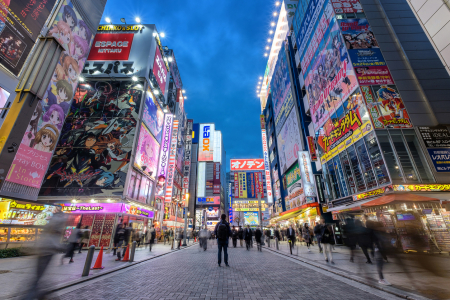
From ancient temples to neon-lit streets, this Tokyo wiki covers everything — history, culture, food, districts & tips to help you explore Japan's capital.
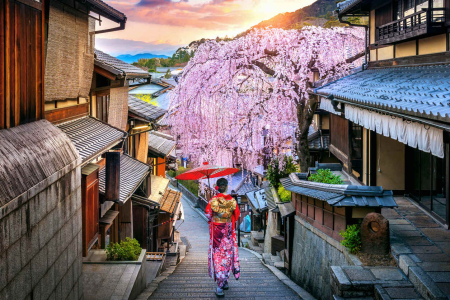
Kyoto is more than Instagram temples. Experience authentic geisha traditions, quiet neighborhoods, seasonal beauty, local food culture. Real ancient Japan.
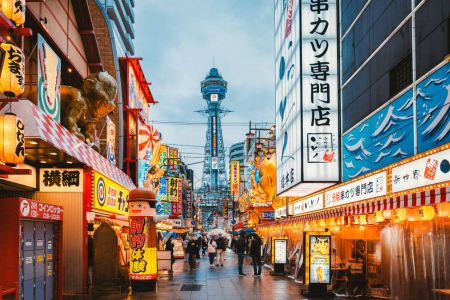
Osaka is Japan's real heartbeat. Incredible street food, affordable luxury, genuine hospitality, vibrant nightlife. Skip Tokyo crowds, experience authentic Japan.
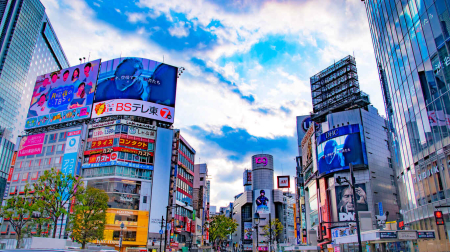
Shibuya is Tokyo's party capital. World-famous crossing, vibrant nightlife, trendy shopping, youth energy. Stay up late, shop, eat, dance, live.
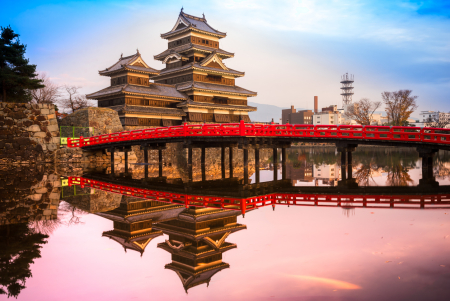
Matsumoto is hidden gem. Stunning castle, mountain backdrop, authentic culture. Less crowded than Kyoto, more accessible than remote destinations. Worth visiting.
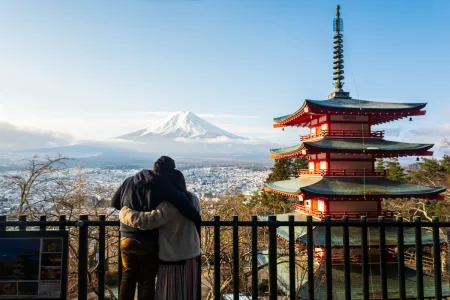
From Shibuya’s neon buzz to Kyoto’s quiet temples, this Japan travel guide shows first-timers how to plan an unforgettable trip.
