
 Home
Home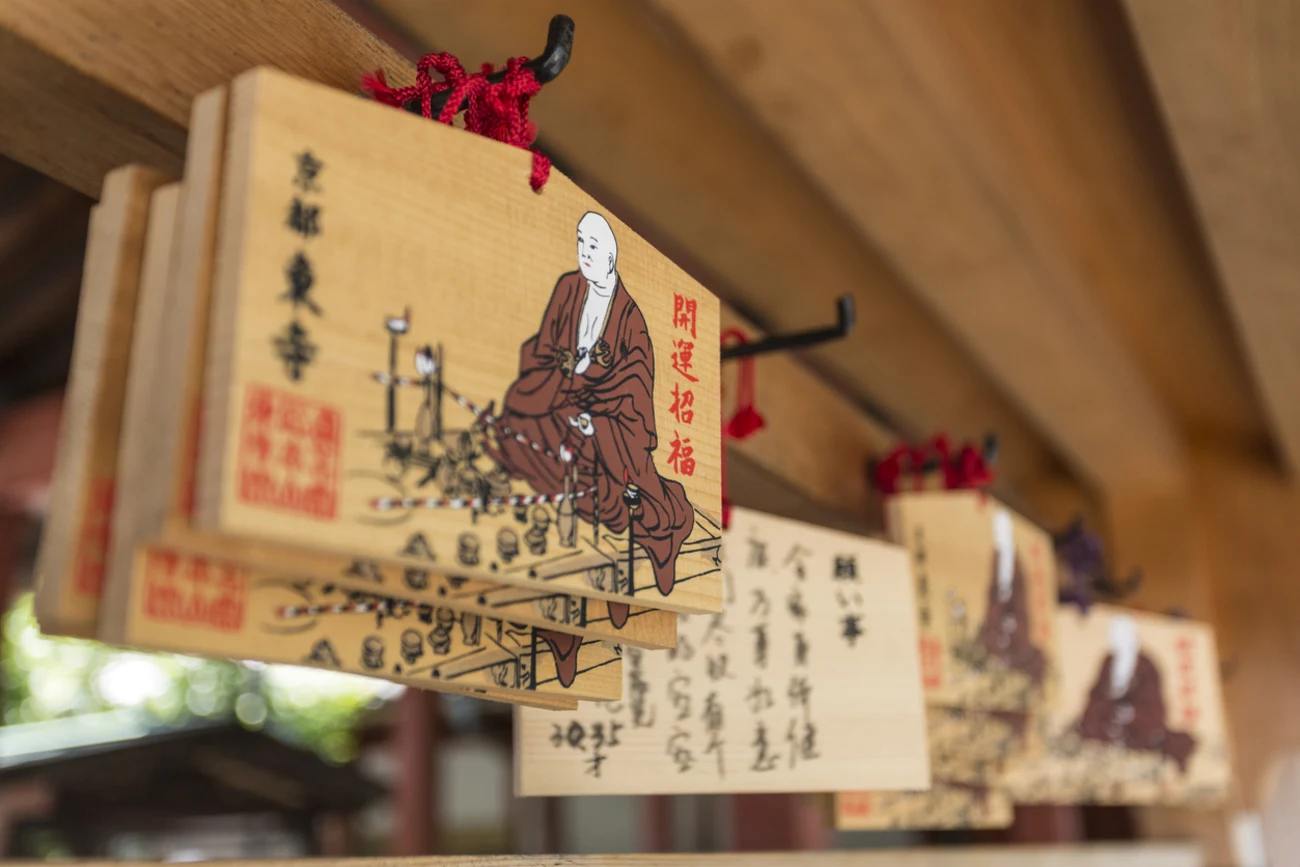
Article Indexes:
#A Quick History That Actually Matters
#What Makes Toji Worth Your Time
#Planning Your Visit (The Practical Stuff)
#The Real Talk: Is It Worth Visiting?
Walk through the gates of Toji Temple, and you'll feel it immediately—that quiet, almost sacred energy that makes you forget the city just outside the walls. Kyoto has hundreds of temples, sure, but Toji? Toji is different.
It's not just another Instagram-worthy landmark. This is where Japan's spiritual heart beats. And honestly, after a visit here, you'll understand why temples aren't just buildings—they're time machines.
#A Quick History That Actually Matters
Toji Temple was founded way back in 796 AD, making it one of Japan's oldest Buddhist temples. Think about that for a second—this place has been standing here for over 1,200 years. Kings came and went. Wars happened. Seasons changed a million times over. But Toji? It was there the whole time, watching, existing, enduring.
The temple was established during the Heian Period when Kyoto (then called Heian-kyo) became Japan's capital. Emperor Kanmu himself blessed its construction. That's not just history—that's legacy.
What really sets Toji apart is its five-story pagoda, called the Toji Pagoda. It's been rebuilt several times (mostly because of fires—a common problem in wooden temples), but the current structure dates back to the 17th century. Standing 54.8 meters tall, it's the tallest wooden structure in Japan. When you see it for the first time, the proportions just feel... right. Perfect.
#What Makes Toji Worth Your Time
1. The Five-Story Pagoda (Ko-do)
This isn't some cramped tower. The pagoda has an elegant, almost dancer-like quality to its architecture. Each level represents different Buddhist elements—earth, water, fire, wind, and sky. It's designed to guide your eyes upward, literally directing your spiritual gaze toward enlightenment. The symbolism is woven into every beam and tile.
2. The Lecture Hall (Kodo)
Inside, you'll find 16 massive wooden statues of Buddha and Bodhisattvas arranged in a mandala formation. These aren't decorative—each one has a specific spiritual purpose. The craftsmanship is insane. Imagine carving a life-sized wooden Buddha 800+ years ago without power tools. The detail, the compassion in their faces, the intricate robes—it's museum-quality art that's just... there. In a temple. For anyone to see.
3. The Monthly Flea Market (Kobo Market)
Here's a secret that locals know: Toji hosts a massive flea market on the 21st of every month to honor Kobo Daishi, the temple's founder. Thousands of vendors set up stalls selling everything from vintage kimonos to antique Buddhist statues to fresh produce to souvenirs. It's chaotic, energetic, and absolutely worth your time. The energy is completely different from the quiet temple interior. You get both experiences in one visit.
4. The Seasons Change Everything
Spring brings cherry blossoms that frame the pagoda like a painting. Summer turns the temple grounds into a lush green sanctuary. Autumn? The maple leaves create this almost surreal contrast against the red temple buildings. Winter is quiet and contemplative—fewer tourists, just the sound of wind through the trees.
Customize Your Dream Vacation!
Get in touch with our local experts for an unforgettable journey.
Plan Your Trip#Planning Your Visit (The Practical Stuff)
Location & Getting There Toji Temple sits in southern Kyoto, about 15 minutes from Kyoto Station. Take the JR Nara Line to Toji Station, then walk 10 minutes. Super easy, even with luggage.
Best Time to Visit Morning (7-9 AM) = peaceful, fewer crowds, perfect for photography
Noon = busy but still manageable
Late afternoon = smaller crowds again, golden hour light hits the pagoda beautifully
Avoid: 21st of every month during flea market if you want quiet contemplation (go if you want market energy)
Admission & Hours
- Adults: ¥800 (~$6 USD)
- Students: ¥700
- Children: ¥400
- Open: 8:00 AM - 5:00 PM (April-September), 8:00 AM - 4:00 PM (October-March)
- Closed: Mondays (except holidays)
Photography Tips The pagoda photos hit different in the early morning with soft light. The lecture hall is dark—bring a tripod or accept you need higher ISO. The flea market is chaotic but colorful—shoot fast and bright.
#The Real Talk: Is It Worth Visiting?
Yes. Absolutely, unquestionably yes.
Not because it's famous. Not because the Instagram photos are stunning (though they are). But because when you stand in the Lecture Hall surrounded by these ancient wooden Buddhas, something shifts. You don't need to be Buddhist to feel it. You don't need to understand every spiritual concept. You just need to be present.
Toji is Kyoto without the hype. It's Japan's spiritual depth distilled into one location. And unlike some temples that feel crowded and touristy, Toji manages to feel both significant and intimate at the same time.
Plan 2-3 hours for a proper visit: 45 minutes for the buildings, 1-2 hours wandering the grounds and soaking it in. If you visit on the 21st for the market, add another hour (or three—you'll get lost in the vendors).
Temples in Kyoto are like chapters in a book. Fushimi Inari is the action sequence. Arashiyama's Bamboo Grove is the scenic escape. Toji Temple? That's the chapter where you sit down, think about life, and realize why people built temples in the first place.
Go. Bring comfortable shoes. Wake up early. Let the pagoda remind you that some things are built to last.
No, admission is ¥800 for adults (~$6 USD). The temple grounds can sometimes be explored free, but the main buildings and lecture hall require a ticket. Well worth it.
Plan 2-3 hours for a thorough visit. 45 minutes minimum to see the key buildings, 1-2 hours if you want to walk the grounds and absorb the atmosphere.
Yes, and many people prefer it! The market has amazing energy and vendor variety. However, it's crowded. If you want a quiet, meditative experience, visit on other days.
Comfortable walking shoes are essential. Respectful clothing is appreciated (no overly revealing clothes). You'll need to remove shoes before entering buildings, so avoid complicated footwear. Sunscreen and a hat are recommended.
Spring (March-May) for cherry blossoms and autumn (September-November) for maple leaves are peak seasons. For fewer crowds, visit in winter (December-February) or summer (June-August).
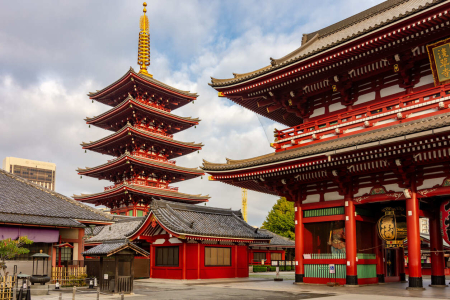
Sensoji is Tokyo's most famous temple but madly crowded. Master visiting times, understand rituals, explore beyond tourists. Real temple experience awaits.
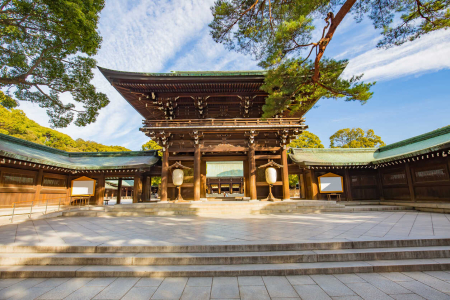
Meiji Shrine offers Tokyo's most peaceful spiritual experience. Forest sanctuary, authentic rituals, no crowds, free entry. Escape the city's chaos here.
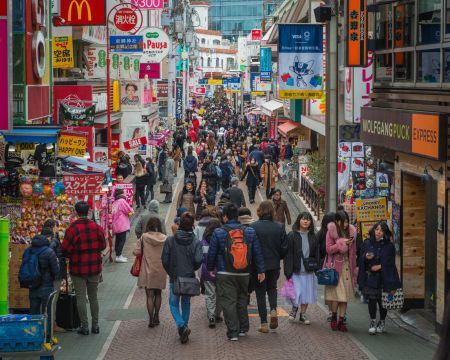
Harajuku is a bustling district in Tokyo famous for its cutting-edge fashion, diverse street styles, youth culture, quirky shops, and vibrant atmosphere that attracts millions of visitors annually.
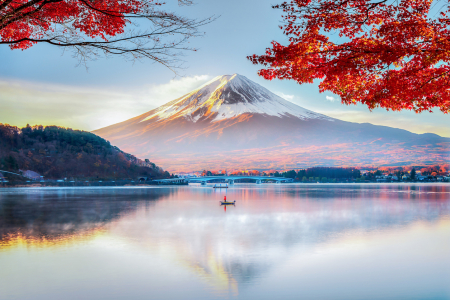
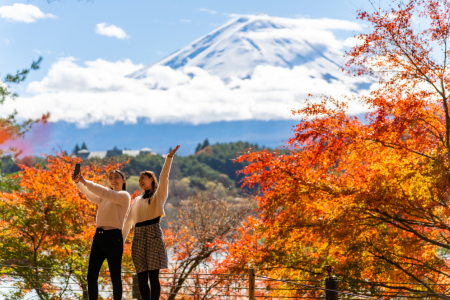
Mount Fuji is more than icon. Sacred mountain, spiritual experience, challenging climb. View from trains or climb summit. Japan's soul embodied in one peak.
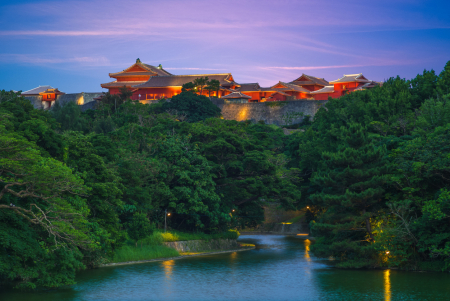
Ryukyuan culture isn't Japanese—it's distinct. Island heritage, different language, unique traditions, spiritual practices. Okinawa's soul revealed.
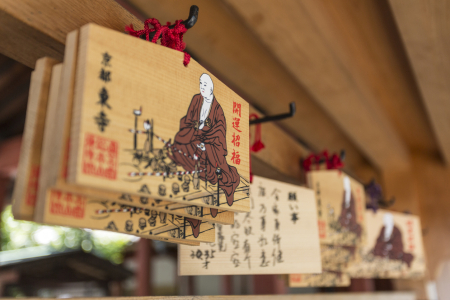
Toji Temple stands as one of Japan's most iconic Buddhist temples in Kyoto, famous for its five-story pagoda, monthly flea markets, and profound spiritual significance.