
 Home
India Travel Guide: What Do You Need to Know Before Visiting?
India is one of the world's most fascinating destinations, with 1.4 billion people and an unbroken ancient culture. India can feel overwhelming at first for new travelers. However, it is also deeply rewarding, especially if you want to know whether India is safe to visit or what lies beyond the guidebooks. This India travel guide covers regional food and local customs, and it helps you decide whether India is worth visiting on your first trip.
Key Takeaways:
- Best time to go: October through March suits most of India, while Ladakh is best in summer.
- Visa: Most travelers can apply for an e-Visa online at least four days before arrival.
- Trip length: Plan one week for one region, or about two weeks to combine several.
- Daily budget: Expect about $20-40 on a budget, $50-100 mid-range, and $200 or more for luxury.
- Health: See a doctor six weeks before you travel, and drink only sealed bottled water.
Etiquette: Cover your shoulders and knees at temples, and remove your shoes at the entrance
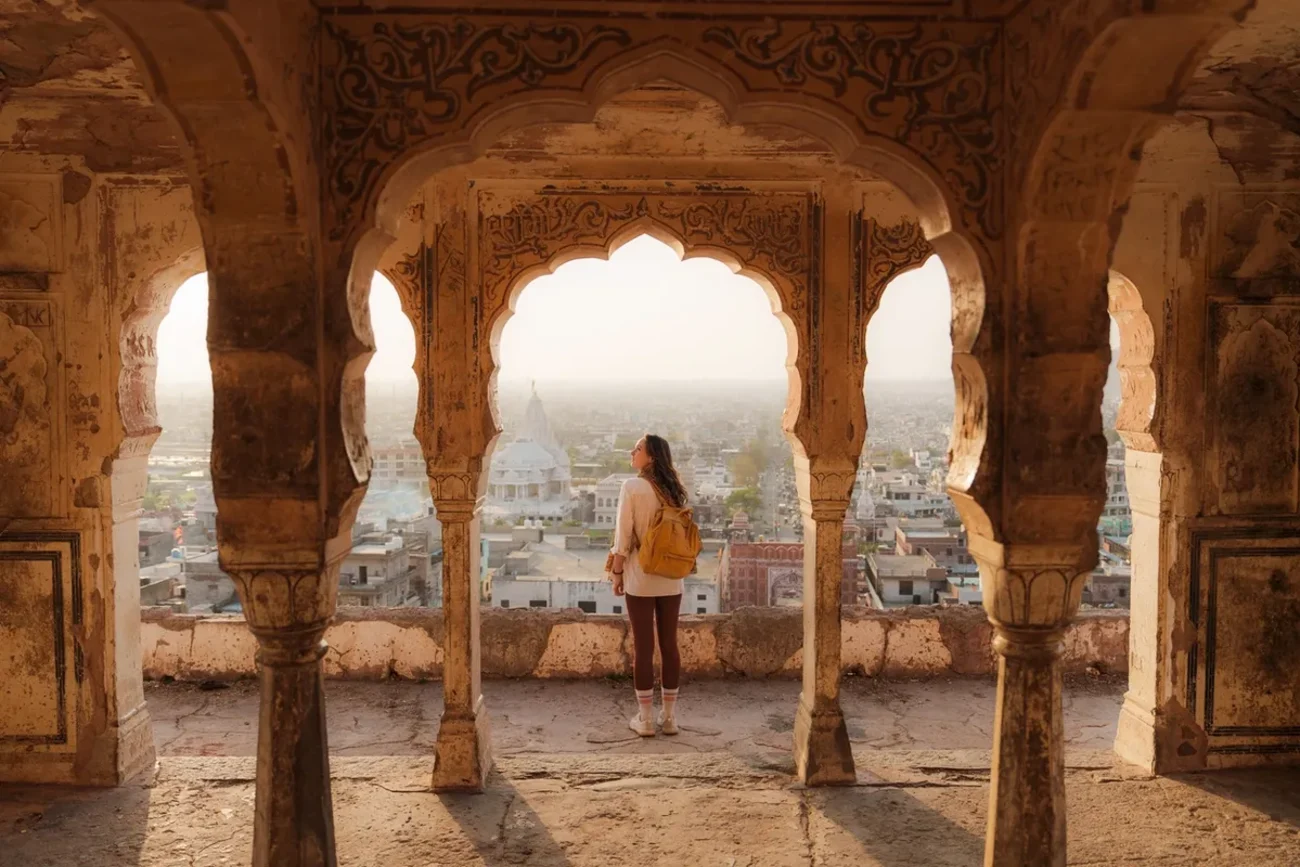

Table of Contents:
1-What is India like, and is it worth visiting?
2-Where should you go, and when should you visit?
3-What do you need to travel to India and manage your trip?
4-How can you stay healthy, safe and respectful in India?
1-What is India like, and is it worth visiting?
India feels different in every state you visit, and it's worth seeing if you're prepared for contrasts that stretch from ancient temples to neon-lit malls. You might see palaces beside slums, quiet lanes beside traffic noise, and spice-heavy curries alongside mild coconut stews, sometimes in a single day.
Regional differences in daily life, language and food
What's daily life like throughout India? It varies sharply by region, language, and the food on your plate. Hindi is widespread in the north, and India’s constitution lists 22 languages, including Hindi. Its 2011 census recorded 19,569 mother-tongue names, later grouped into 121 languages.
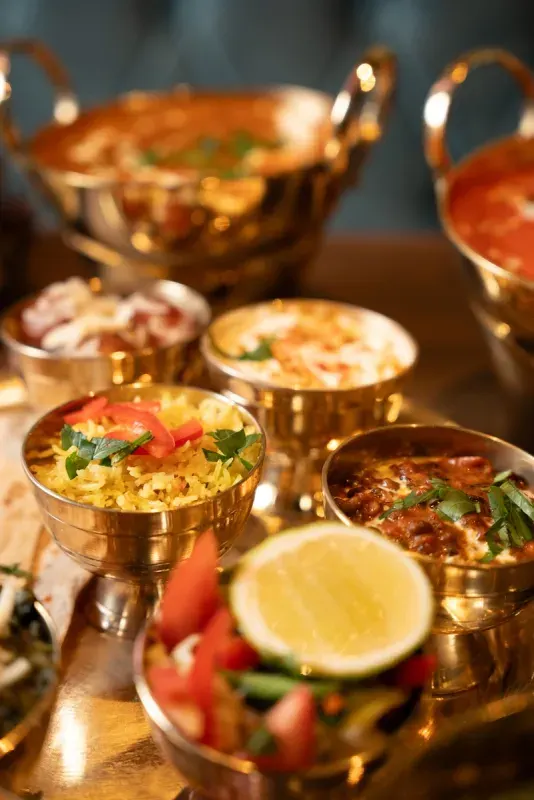
Food reflects the same regional variety. Wheat breads such as naan and roti are common in the north. Rice and lentil-based sambhar shape southern meals, while coastal states rely heavily on fish and coconut. Religion also affects what people eat: many Hindus avoid beef, Muslims avoid pork, and Jains exclude root vegetables. Fact: Dal (lentils) is the closest thing to a dish found on menus throughout India.
What to expect from crowds, traffic and personal space
Is India crowded? Yes. Around 1.4 billion people share its roads, markets, and train platforms, so personal space may feel very different from what you're used to. Rickshaws, cars, and two-wheelers often compete for the same section of road, even where lanes are not marked.
Noise can add to the sensory overload. A UN report lists daytime traffic noise of 114 decibels in Moradabad and 89 in Kolkata. Both exceed WHO’s 55-decibel guideline for homes. One Kolkata intersection records around 18,857 honks over 24 hours.
Historic sites, local markets and quieter places
Where should you go for history and quiet? Visit Agra for the Taj Mahal and Rajasthan for its forts and palaces. Kerala's backwaters or Ladakh's valleys offer a break from the crowds.
Delhi alone can fill an itinerary with Humayun's Tomb, the Qutb Minar, Jama Masjid, and the Red Fort. Practical tip: beyond the Taj Mahal, Agra Fort and Fatehpur Sikri also deserve a place on your route. Markets such as Chandni Chowk, Karol Bagh, and Jaipur's bazaars offer street food and souvenirs.
Quieter options include Bangalore's Lalbagh garden and Delhi's Sunder Nursery. Kerala's Western Ghats foothills and Ladakh's Markha Valley trek also provide space to slow down, where prayer flags replace traffic horns. The World Economic Forum’s 2026 index ranks India among the top 10 for natural and cultural resources and 31st overall. Foreign tourist arrivals in 2025 were still about 17% below 2019 levels. That gap benefits visitors, with fewer crowds at world-class sites that few other destinations can match.
2-Where should you go, and when should you visit?
The first step in any India travel guide is picking a route, which depends on two things: how much time you have and the season. India's climate varies sharply by region, so an itinerary that works in December may not suit June. Most first-time visitors begin in the north, then decide whether to add the south or the mountains after settling into the country's pace.
The Golden Triangle for forts, palaces and the Taj Mahal
The Golden Triangle connects Delhi, Agra and Jaipur in a loop that features Mughal forts, the Taj Mahal, and Rajasthan's pink-walled capital. Standard tours can take as little as three days or last up to eight.
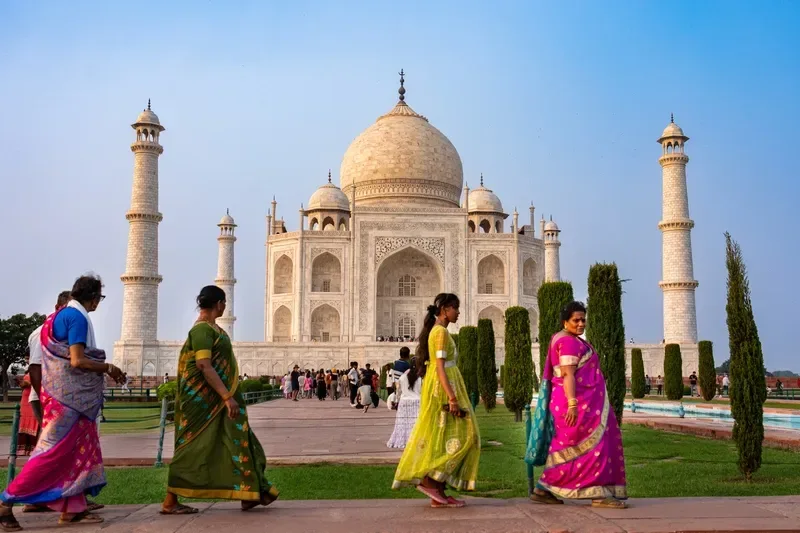
Akbar began Agra Fort in 1565, and workers completed it eight years later. The Taj Mahal took 20,000 workers 22 years to build as Shah Jahan's memorial to his wife, Mumtaz Mahal. Fatehpur Sikri stands 40 kilometers away, a red sandstone Mughal capital from 1571. Jaipur's Jantar Mantar observatory was completed in 1734, while Amber Fort remains one of the state's best-preserved Rajput sites. Practical fact: hot-air balloon flights over Jaipur operate only from September through April. Extra days allow you to extend the loop to Ranthambhore National Park for a tiger safari or continue to Jodhpur and Udaipur for more forts and lakes.
Kerala, Goa and Tamil Nadu for a southern route
A southern route replaces forts with backwaters, beaches and temple towns. It moves at a slower pace than the north, and Kerala, Goa and Tamil Nadu combine well in one trip.
Kerala's Munnar tea plantations and Periyar Wildlife Sanctuary, which has roughly 40 tigers across 925 square kilometers, contrast with Alleppey's houseboat-lined backwaters. Fort Kochi offers colonial-era architecture, and nearby Mattancherry has a 16th-century synagogue. Tamil Nadu has Mahabalipuram's UNESCO-listed shore temple and Madurai's Meenakshi Amman Temple. Pondicherry's French Quarter provides a quieter stop between them. Practical fact: November through March is the best season for this route, as humidity falls and temperatures range from 20-32°C.
Mountain trips and lesser-known places
Mountain trips range from prominent hill stations to villages that rarely see a tourist bus. Ladakh is the headline destination, with flights year-round and summer road access. Shimla, the former British summer capital, is accessible by a narrow-gauge toy train that passes through pine forests.
Kasol, Dalhousie, Lansdowne and Pahalgam are other popular hill towns. Tirthan Valley offers a quieter option. It lies 510 kilometers from Delhi and takes about 13 hours by road. Kausani is closer at 415 kilometers, with an 11-hour drive and panoramic views of snow-covered peaks. Binsar Wildlife Sanctuary is 386 kilometers away and overlooks peaks such as Nanda Devi and Trisul.
Weather, monsoons and festival dates by region
October through March suits almost the whole country, although Ladakh follows a completely different calendar and is best visited in summer. The south remains warm throughout the year but feels most comfortable from November onward.
April through June brings temperatures above 40°C to much of the country. Hill stations such as Shimla and Munnar remain cooler. June through September is monsoon season, with heavy rain and smaller crowds. Plan for Holi in March, Diwali in October or November, the Pushkar Camel Fair in October or November, though camel numbers have fallen sharply, or Kerala's Onam festival in August or September. December and January fog often delays northern flights and trains.
| Route | Best Season | Trip Length | Travel Pace |
| Golden Triangle | October-March | 3-8 days | Fast, short hops |
| Golden Triangle + Rajasthan | October-March | 14 days | Moderate, long drives |
| Kerala/South India | November-March | 7-14 days | Relaxed, coastal |
| Himalaya/Ladakh | June-September | 4+ days | Slow, high-altitude |
| Multi-region first trip | October-March | 14-18 days | Balanced |
3-What do you need to travel to India and manage your trip?
You need a valid visa, a backup payment option besides foreign cards, a local SIM, and a simple understanding of how trains and flights connect around the country. None of this is complicated once you know where to look, and this India travel guide covers each step.
Visa eligibility, passport rules and official application sources
Can you apply for an Indian visa online? Yes, citizens of most countries can use the official e-Visa portal instead of visiting an embassy. The main e-Visa categories are tourist visas for 30 days, one year, or five years; business visas; medical visas; medical attendant visas; and conference visas. You must apply at least four days before arrival. For most passports, a 30-day tourist e-Visa costs $25 from July through March and $10 from April through June. One year costs $40, and five years costs $200 ($160 US, $484 UK), plus a 3% bank charge. Your passport must be valid for six months and have two blank pages. Holders of Pakistani passports and people of Pakistani origin need a regular visa.
Travel insurance
Do you need travel insurance for India? It is not legally required, but it can cover medical emergencies, lost baggage, and trip delays that can be costly without coverage. Premiums depend on your age, trip length, and coverage level, so compare policies sold in your home country. Check limits for medical evacuation before buying. Buy your policy before departure because many insurers will not cover a trip already under way.
Foreign cards and tourist payment options
Will your foreign card work everywhere in India? Supermarkets and larger shops usually accept Visa, Mastercard, and Maestro, but small vendors and rural areas often accept cash only. UPI One World, a prepaid wallet offered through apps such as Cheq, lets tourists pay by QR code after passport and visa checks.
SIM cards and mobile data
Can you get a SIM card as a tourist? Yes, Airtel is often the easiest option. It has kiosks at major airports and offers plans such as ₹299 for 1GB per day over 28 days. You will need your passport, a copy of your visa, photos, and a local address. Activation can take from two to twenty-four hours. An eSIM, such as Saily's plans starting at $3.99 for 1GB over seven days, avoids the paperwork.
Domestic flight connections
Do you need to collect baggage before a domestic connection? If you enter India on an international flight with an onward domestic leg, you must clear immigration, collect your bags, and pass through customs at your first port of entry before changing terminals.
Booking trains as a tourist
Should you book trains through the Foreign Tourist Quota? This quota allows bookings up to 365 days ahead for 1A, 2A, and EC classes on selected trains, versus the standard 60-day window.
Customize Your Dream Vacation!
Get in touch with our local experts for an unforgettable journey.
Plan Your Trip
4-How can you stay healthy, safe and respectful in India?
How do you stay healthy, safe and respectful in India? You just need pre-trip vaccines and sensible food and water choices, plus protection from the sun and mosquitoes. Street awareness and modest dress at religious sites also matter. None of this takes much effort once you know the routine.
Pre-travel health advice and vaccines
Should you see a doctor before flying? Yes, book an appointment about six weeks before departure to discuss Hepatitis A and typhoid vaccines, along with routine shots such as MMR or polio. Malaria risk exists across much of the country, but not above 2,000 meters, as in high parts of Ladakh. Practical fact: a counterfeit batch of rabies vaccine was reported in India, so seek post-exposure treatment at a reputable hospital.
Spice levels, safe food and drinking water
Can you drink the tap water? No. Choose sealed bottled water, skip ice, and eat food that arrives steaming hot. Avoid raw salads, pre-cut fruit, street-made pani puri, and loose cheese. Introduce chillies gradually because heavy spice can act as a laxative.
Air quality and mosquitoes
Is Delhi's winter air a health risk? Yes. PM2.5 pollution rises between October and February and can affect your lungs, heart, and brain over time. Pack an N99 mask, then check air-quality apps before you head out. Cover exposed skin and use DEET repellent against dengue-carrying mosquitoes. They bite by day, peaking morning and late afternoon.
Solo travel, women's safety, common scams and getting help
Is India safe for solo women? Many travel safely, but US advisories warn of sexual assault, and foreign women may face harassment in Goa, Delhi, and on public transport. Refuse drinks from strangers. Avoid jewel-export and fake-sadhu scams. Dial 112 anywhere in India to reach emergency services.
Clothing, temple rules, photo consent and responsible shopping
What should you wear at temples? Cover your shoulders and knees, remove your shoes at the entrance, and accept prasad with your right hand. Ask permission before photographing worshippers and bargain politely at markets. Avoid souvenirs made from ivory or tortoiseshell.
Yes. Foreign nationals must submit a free digital e-Arrival Card within 72 hours before arrival. It replaces the paper form but not your visa.
Only above set limits. You can bring any amount of foreign currency, but must declare more than $5,000 in cash, or more than $10,000 in total foreign exchange, to customs on arrival.
It closes every Friday. On other days, it opens 30 minutes before sunrise and closes 30 minutes before sunset.
Satellite phones and messengers such as Garmin inReach are illegal without government approval, and travelers have been arrested for carrying them. E-cigarettes are also banned, so leave them at home.
Tipping is appreciated rather than required. Leave 5-10% in restaurants if the bill has no service charge, and tip guides and drivers for good service. Taxi drivers do not expect tips.

India’s customs and traditions reflect rich heritage, festivals, family values, and diverse rituals. Read More!
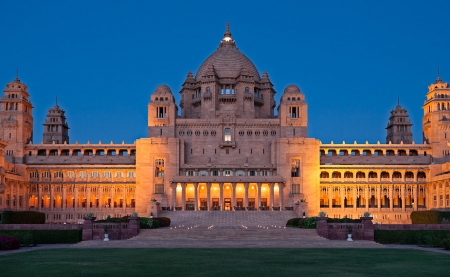
India has a wide hotel range from budget hostels to ultra-luxury 5-star palace hotels. Explore more!
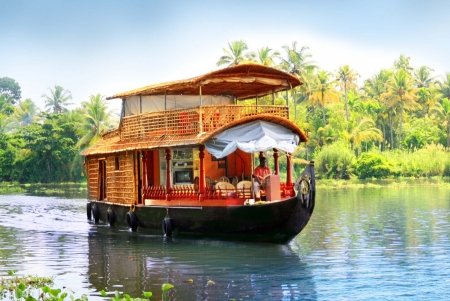
India’s weather varies from the heights of the mountains to the southern coasts, it is something that is important when considering the best time to visit India.
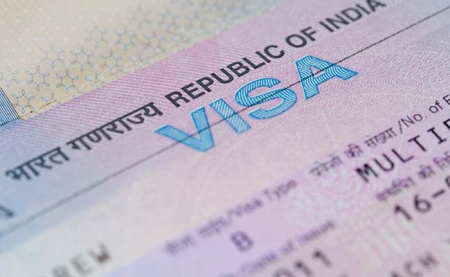
Know more about how to get Indian visa. Visa and immigration procedures are simple when it comes to India. Check Now!
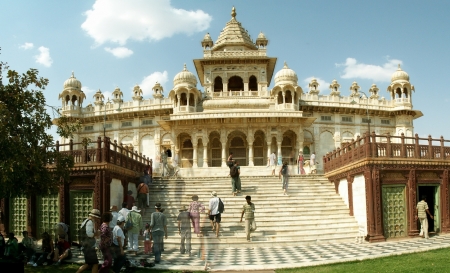
A brief history of India, a land of ancient civilizations. India's social, economic, and cultural configurations are the products of a long process of regional expansion. Read more!
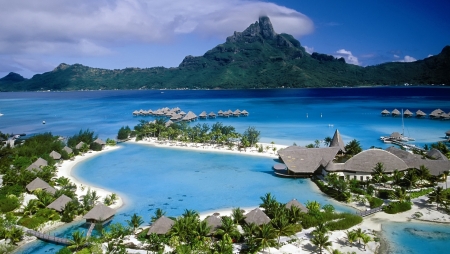
Here is a list of India's top beaches: Varkala, Gokarna, Palolem, Tarkarli, Agonda, Arambol, Ashvem, Baga, Kovalam, Radhanagar Beach. Explore!
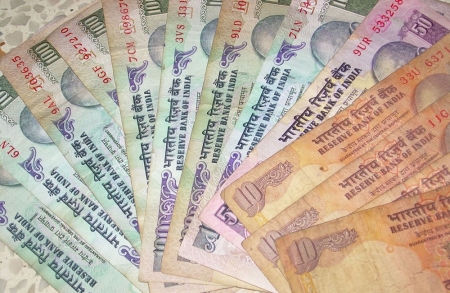
India currency is the Rupee which is currently valued at 63.84 rupees to 1 USD. Be sure to check the conversion rate before all of your trips.

There are numerous things to do in Mumbai. Know about reasons to visit Mumabi and why it is among the must-visit places in India. Read More!
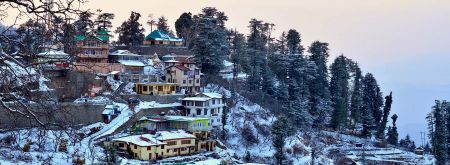
The vast snow-covered landscape, the cold winds, the sylvan mountains add up to the beauty of Auli. Read more!
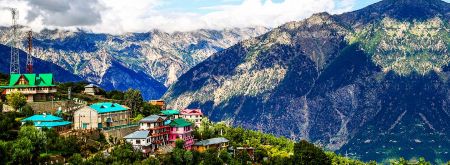
With its jaw-dropping views, lush green forests, gushing blue streams, and sprawling meadows, Manali has scenic beauty. Read more!
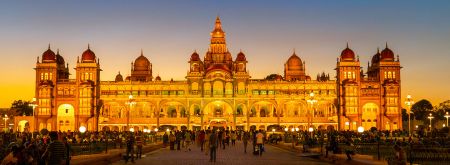
With about 2.5 million visitors annually, Mysore is one of the most visited cities in India and the third largest and second most populated city of Karnataka. Know more!
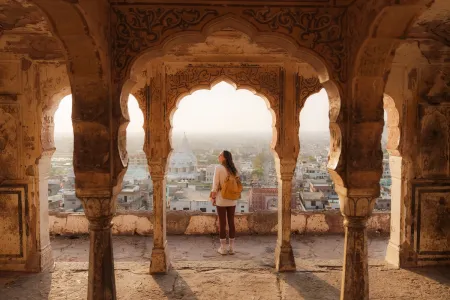
Practical advice for planning your first trip to India.
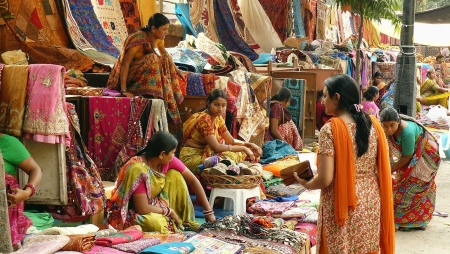
Delhi has the best markets in India, selling a huge array of items including handcrafts from all over the country. Know more about Delhi Markets!

Read more about top restaurants in India. This article will introduce you to a list of good restaurants in India. Read more to know where to eat in India!
