 Home
HomeIndian Customs and Traditions
Know more about Indian customs and traditions and discover how Faith, family and castes shape every aspect of Indian culture from birth to death and all the trials and parties in between. Indian society is structured around the families people are born into and where they are born. However, India is a diverse country that combine many cultures.
In this Guide:
#Indian society and way of living
#Languages with official status in India
#India, Family Life, And Family Values
#Indian Customs: Greetings, Dining & Social Etiquette
#Indian society and way of living
Faith, family, and castes shape just about every aspect of Indian culture from birth to death and all the trials and parties in between. Indian society is structured around the families people are born into and where they are born. Individuals inherit their social position and stay within it throughout life. A caste, or jati meaning "birth", is the level within the social system that determines who people will marry and often even what line of work they can pursue, where they can live and what they can eat.
There are more than 2,000 jati and they fall within four recognized caste groups, or varnas: Brahmans (priests and the most educated), Kshatriyas (warriors and landowners), Vaishyas (merchants) and Sudras (craftsmen and workers). A fifth, unofficial group, the Panchamas were historically called the "Untouchables" and in more recent years the Dalit or "Oppressed." About 17 percent of India's population belongs to this lowest of groups and performs farm labor or other manual work. In addition to caste, most Indians remain within multigenerational family units, from youngest to oldest, often living within the same housing complex.
Explore our India Tours and discover how diverse the country really is!
#Languages with official status in India
India comprises 28 states and there is no single national language. Although Hindi is the official language of the central government, the Constitution of India officially recognizes 23 official languages spoken across its regions.
#India, Family Life, And Family Values
Family Structure & Gender Roles
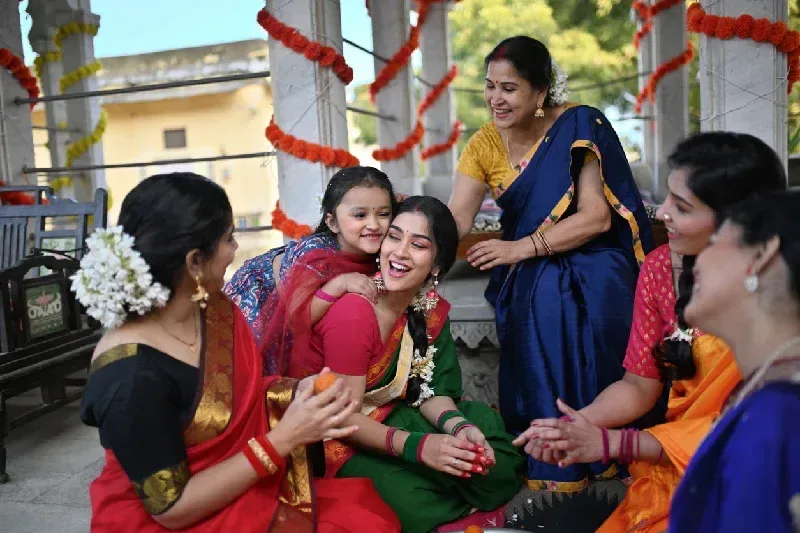
In many Indian families, men traditionally remain with their birth families until they become heads of their own extended households, usually after the passing of their fathers. Women, on the other hand, typically leave their parental home after marriage and become part of their husband’s family unit. These patterns can vary depending on region, caste, and urban or rural setting, but family structure remains a central pillar of social life in India.
Marriage Practices & Arrangements
Marriage customs in India are strongly influenced by cultural, religious, caste, and sometimes astrological considerations. While love marriages are increasingly common, arranged marriages remain the most widespread tradition, where families play a key role in selecting suitable partners. Once a match is agreed upon, engagement ceremonies and multiple pre-wedding rituals begin, building toward the wedding celebration.
Wedding Rituals & Celebrations
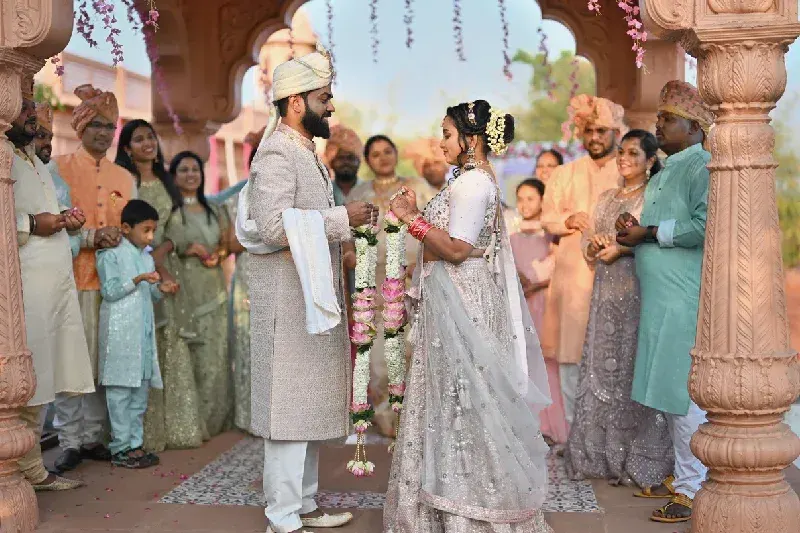
Indian weddings are known for being elaborate, colorful, and often lasting several days to a week. They include a series of religious ceremonies, family gatherings, music, dance, and large feasts. Each ritual holds symbolic meaning, marking the transition of the couple into married life and uniting two families in celebration.
Bridal Traditions & Symbolism
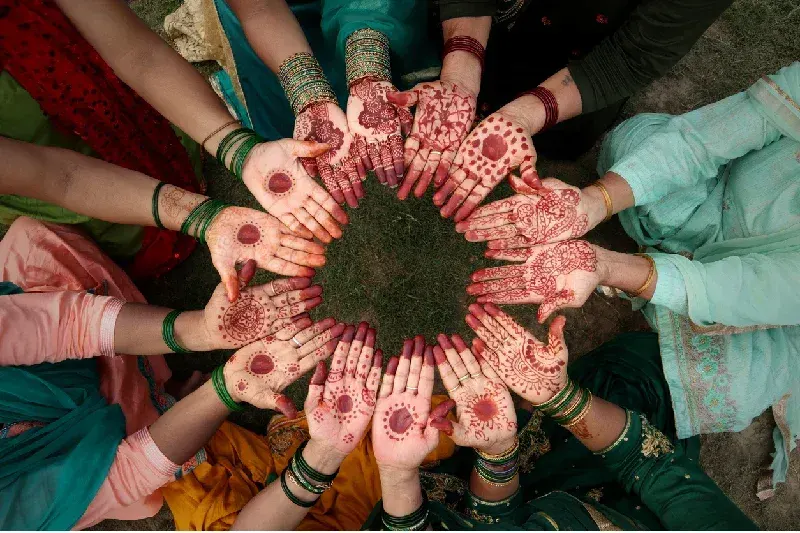
Traditionally, brides wear red, a color associated with prosperity, fertility, and good fortune. However, modern brides may also choose other rich colors such as pink, blue, purple, or yellow, depending on personal preference and regional trends. Jewelry, henna designs, and intricate attire are important cultural elements of the bridal look.
Social Expectations & Marriage Stability
Marriage in India is generally viewed as a lifelong commitment, with strong social encouragement to resolve conflicts rather than separate. As a result, divorce rates remain relatively low compared to many other countries, reflecting the cultural emphasis on family unity and long-term partnership.
Customize Your Dream Vacation!
Get in touch with our local experts for an unforgettable journey.
Plan Your Trip#What Is India's Religion?
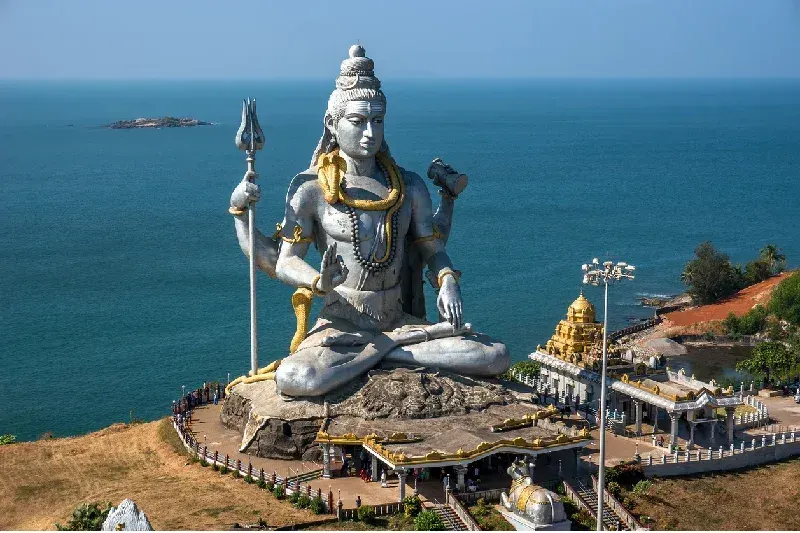
India's main religion is Hinduism, practiced by over 80% of the population, making it the world's largest Hindu-majority country. Islam is the second most practiced religion at over 13%, followed by Christianity and Sikhism at around 2% each. India is also the birthplace of Buddhism, though fewer than 1% of the population follows it today.
Hinduism in India
Indian Hinduism has many faces depending on caste and location. Shrines and places of pilgrimage in one region may differ entirely from those in other areas. While many follow the Vedas as sacred texts and dharma as moral code, not all do. Belief in a supreme god is common, with reincarnation (coming back to life after death in a continuous cycle) and karma (the idea that actions in life determine one's next rebirth) being central beliefs.
Islam in India
Indian Muslims follow Islam and its singular god, Allah, with the Qur'an as their sacred text. Teachings from the prophet Muhammad are central to behavior and social codes. Islam arrived in India through Persian, Turkish and Arab conquerors around the 8th century, and most of the subcontinent had adopted Muslim beliefs by the 13th century. When India gained independence from the British in 1947, the region was divided into Pakistan (predominantly Muslim) and India (predominantly Hindu).
Visit temples, mosques, and sacred sites on our trips to India and and experience India's spiritual heritage.
#Indian Customs: Greetings, Dining & Social Etiquette
Indian customs represent a blend of British and Asian cultural influences. While some feel familiar to Western visitors, others are quite distinct, particularly around dining and social visits.
Dining Customs
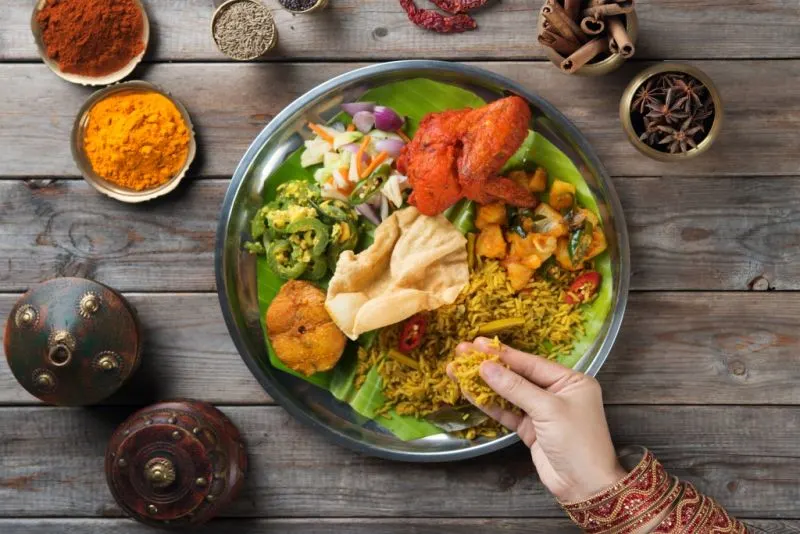
A well-known Indian custom is eating with the hands, specifically the right hand, as the left hand is considered unclean. Sharing food is considered good manners; Indians typically order several dishes and share them communally. However, they do not share cutlery or take food directly from each other's plates. Rather than saying "thank you," Indians traditionally show appreciation by praising the food itself.
Social Customs
When invited to someone's home, it is considered polite in India to arrive 15 to 30 minutes late, arriving exactly on time can be seen as bad manners, unlike in Western cultures. It is also normal for guests to bring friends along. Hosts are encouraged to organize a buffet rather than a sit-down meal, and it is considered courteous to call guests the day before the event as a reminder.
#Clothing in India
Indian clothing is defined by its vibrant colors and regional variety. Women wear colorful silk saris, a traditional garment with very bright colors that varies in style across different states. Men wear a dhoti, an unstitched piece of cloth tied around the waist and legs, or a kurta, a loose knee-length shirt. On special occasions, men wear a sherwani or achkan, a long formal coat with a collar.
Curious about Indian clothing? Read our guide on how to dress like an Indian!
#Famous Indian traditions
India's traditions are among the oldest and most recognizable in the world. Here are some of the most important Indian traditions still practiced widely today:
Namaste
The most common greeting in India. Performed by placing both palms together and raising them below the face, Namaste is used to greet, thank, or show respect to another person.
Tilak
A ritual mark made on the forehead between the eyebrows using kumkum or chandan (sandalwood paste) as a sign of blessing. It is applied during religious ceremonies and as a welcoming gesture.
Aarti
A devotional tradition performed during worship. It involves circling a lit lamp around a deity or honored person, usually accompanied by devotional songs. Aarti is a central part of Hindu worship across India.
Bindi
A mark worn on the forehead by married women, traditionally made with vermilion powder. The bindi represents female energy and is one of the most recognized symbols of Indian tradition worldwide.
Pranam (Prostrating Before Elders)
A deeply rooted Indian tradition of respect in which young people bow down and touch the feet of parents, elders, and teachers. In return, elders place their hands on the young person's head as a gesture of blessing.
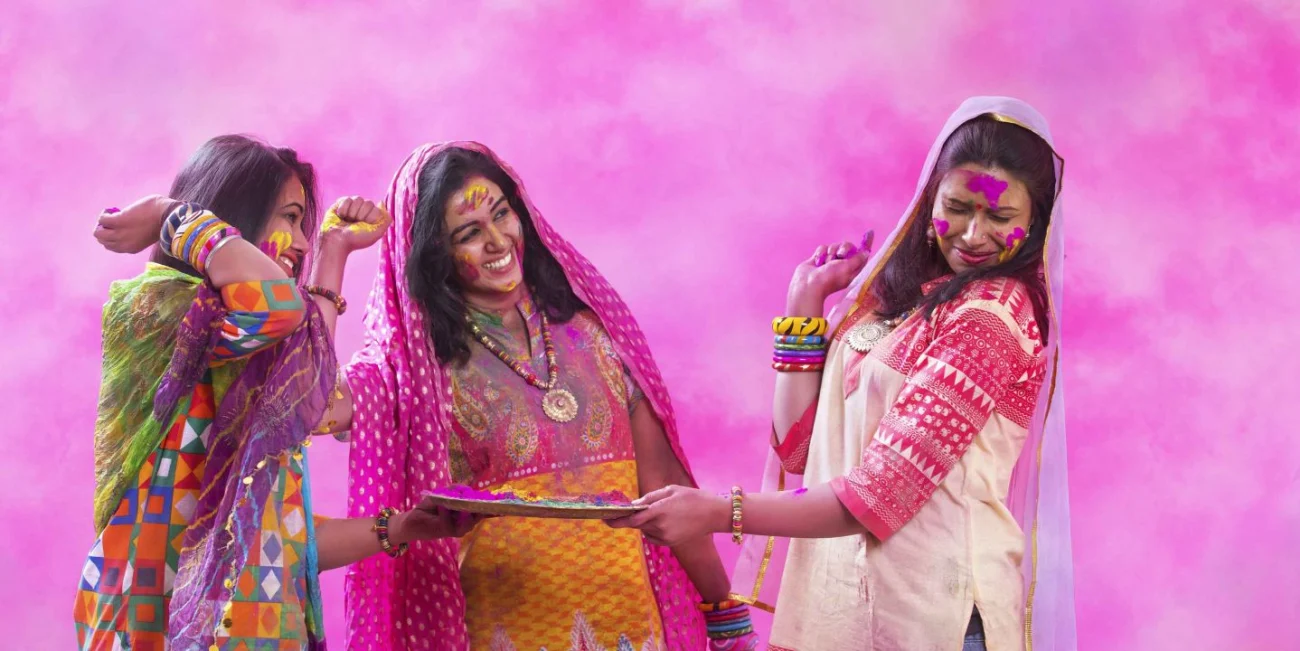
Holi and Diwali
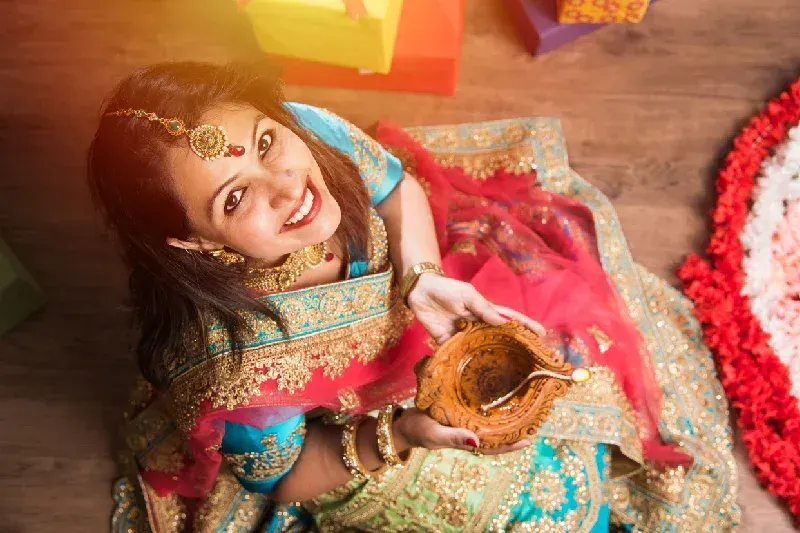
Two of India's most celebrated traditional festivals. Holi, the festival of colors, marks the arrival of spring and the triumph of good over evil. Diwali, the festival of lights, celebrates the return of Lord Rama and is observed with oil lamps, fireworks, sweets, and family gatherings. Both are observed across India and by Indian communities worldwide.
#Christmas in India
Christmas in India is celebrated on December 25 by Christian communities across the country and has become a festive occasion enjoyed by many people regardless of religion. Churches are beautifully decorated with lights, flowers, and nativity scenes, while special prayer services and midnight Mass attract large gatherings. Families exchange gifts, prepare festive meals, and decorate Christmas trees, especially in states such as Goa, Kerala, and parts of Northeast India. The holiday reflects India's cultural diversity, blending Christian traditions with local customs and celebrations.
Ready to experience India's customs and traditions firsthand? Explore our India Tours and start planning your unforgettable journey today.
India is known for traditions such as Namaste, touching the feet of elders for blessings, celebrating festivals like Diwali and Holi, performing Aarti during worship, and maintaining strong family values.
Family is the foundation of Indian society. Many families live in multigenerational households, and major life decisions, including marriage and career choices, are often made with family involvement.
Many Indians traditionally eat with their right hand, as the left hand is considered inappropriate for handling food. Meals are often shared among family and friends, emphasizing hospitality and togetherness.
Diwali, the Festival of Lights, and Holi, the Festival of Colors, are among India's most celebrated festivals. Other important celebrations include Eid, Christmas, Navratri, and Durga Puja.
The traditional greeting is "Namaste," performed by joining both palms together and slightly bowing the head. It is a respectful way to greet, thank, or acknowledge others.
Yes. While love marriages are becoming more common, arranged marriages remain a significant part of Indian culture, with families often helping to find suitable partners.
You should dress modestly when visiting religious sites, remove shoes before entering temples or homes when required, respect local customs, and greet people politely using cultural norms such as Namaste.
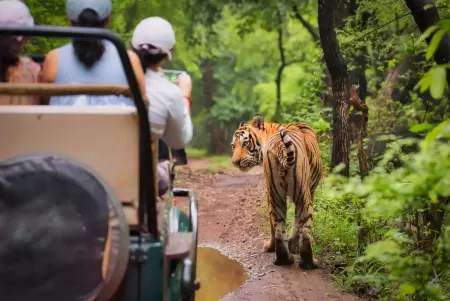
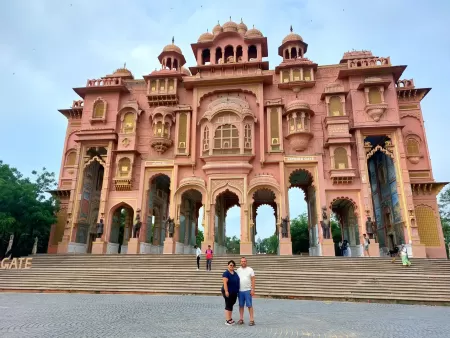


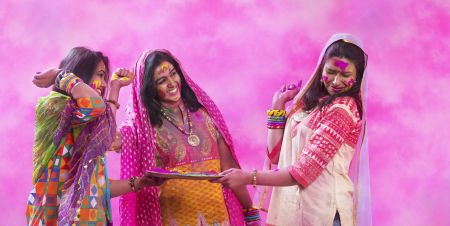
India’s customs and traditions reflect rich heritage, festivals, family values, and diverse rituals. Read More!
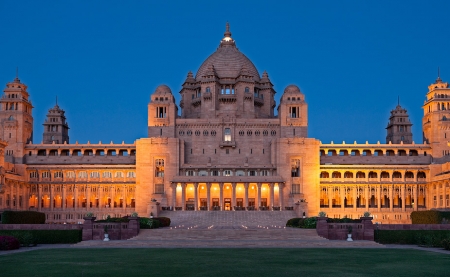
India has a wide hotel range from budget hostels to ultra-luxury 5-star palace hotels. Explore more!
India’s weather varies from the heights of the mountains to the southern coasts, it is something that is important when considering the best time to visit India.
Know more about how to get Indian visa. Visa and immigration procedures are simple when it comes to India. Check Now!
A brief history of India, a land of ancient civilizations. India's social, economic, and cultural configurations are the products of a long process of regional expansion. Read more!
Here is a list of India's top beaches: Varkala, Gokarna, Palolem, Tarkarli, Agonda, Arambol, Ashvem, Baga, Kovalam, Radhanagar Beach. Explore!
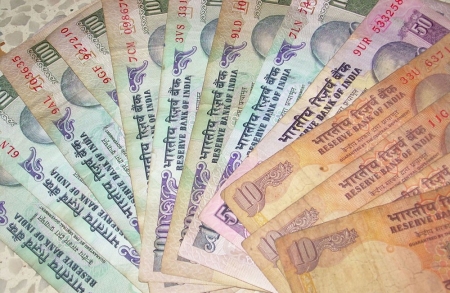
India currency is the Rupee which is currently valued at 63.84 rupees to 1 USD. Be sure to check the conversion rate before all of your trips.

There are numerous things to do in Mumbai. Know about reasons to visit Mumabi and why it is among the must-visit places in India. Read More!
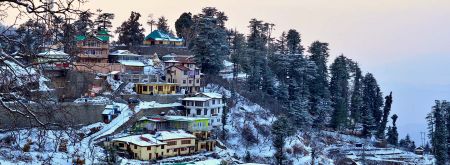
The vast snow-covered landscape, the cold winds, the sylvan mountains add up to the beauty of Auli. Read more!
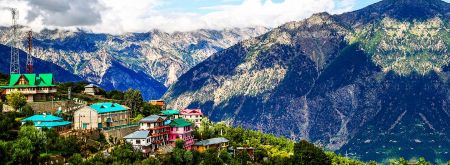
With its jaw-dropping views, lush green forests, gushing blue streams, and sprawling meadows, Manali has scenic beauty. Read more!
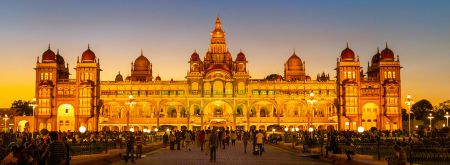
With about 2.5 million visitors annually, Mysore is one of the most visited cities in India and the third largest and second most populated city of Karnataka. Know more!
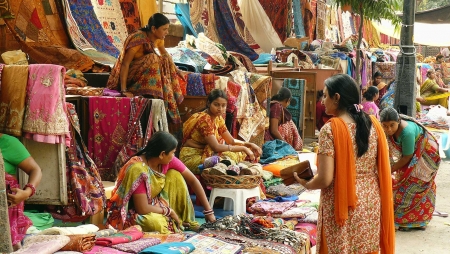
Delhi has the best markets in India, selling a huge array of items including handcrafts from all over the country. Know more about Delhi Markets!
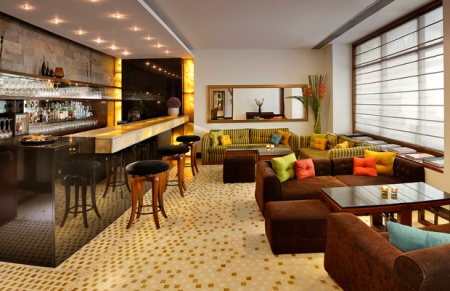
Read more about top restaurants in India. This article will introduce you to a list of good restaurants in India. Read more to know where to eat in India!