
 Home
HomeManila
Manila is the capital city of the Philippines and one of the country's most important political, cultural, economic, and historical centers. It serves as the seat of the national government and plays a central role in the nation's development. Known for its rich colonial heritage, diverse cultural attractions, and vibrant urban landscape, Manila combines centuries of history with modern infrastructure, making it a significant destination for both visitors and researchers.
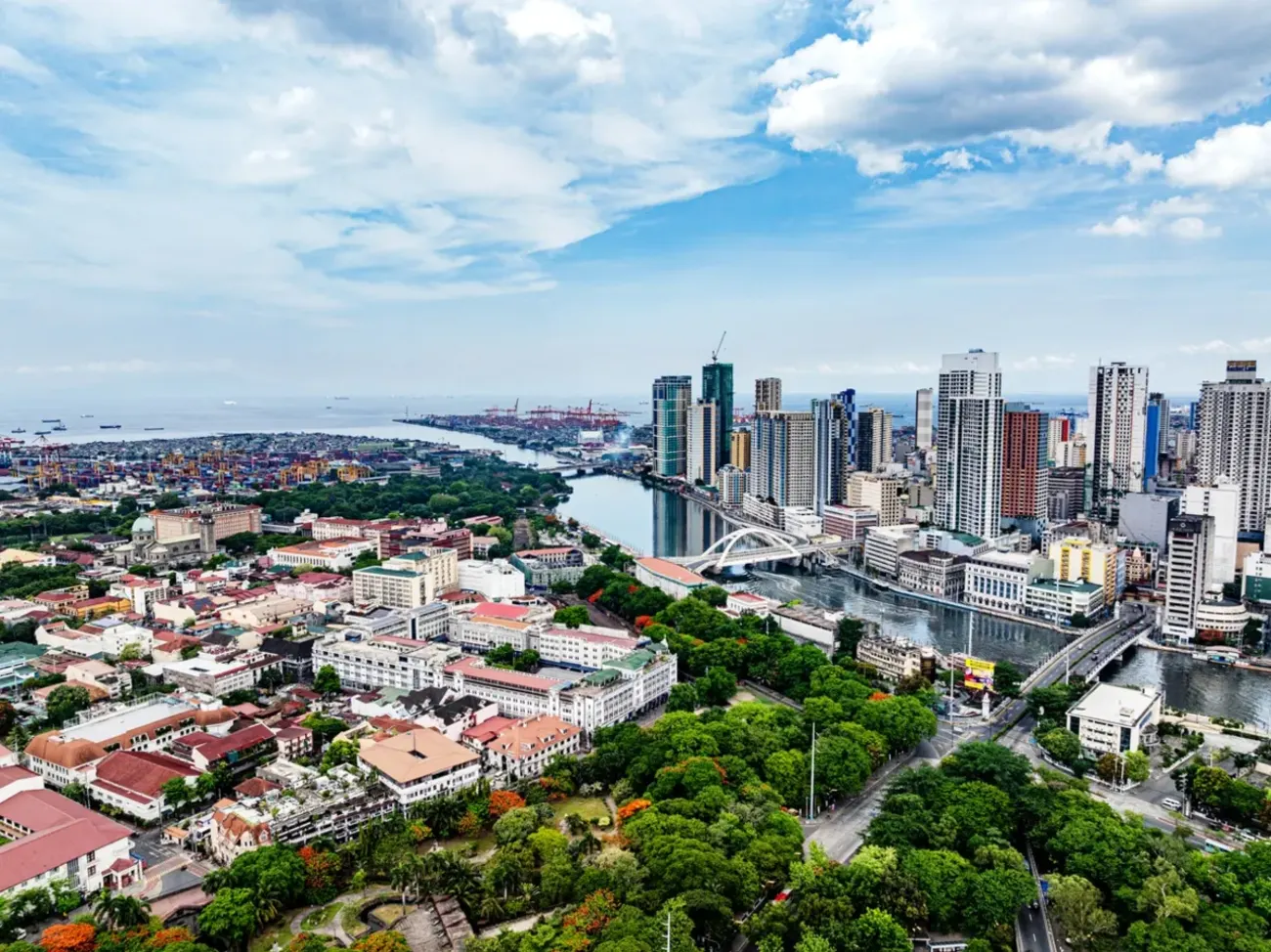
Where Is Manila Located?
Manila is located on the eastern shore of Manila Bay on the island of Luzon, the largest island in the Philippine archipelago. It is the official capital of the Philippines and forms part of the National Capital Region (Metro Manila), a metropolitan area comprising sixteen cities and one municipality. Although the terms "Manila" and "Metro Manila" are often used interchangeably, Manila is a distinct city that serves as the country's political and administrative capital.
The city's coastal setting along Manila Bay has influenced its urban development and contributed to its unique landscape. Manila is characterized by a blend of historic districts, modern neighborhoods, public parks, and waterfront areas, where centuries-old churches and colonial landmarks stand alongside contemporary buildings. This combination of heritage and modernity gives the city its distinctive identity and makes it one of the Philippines' most recognizable urban centers.
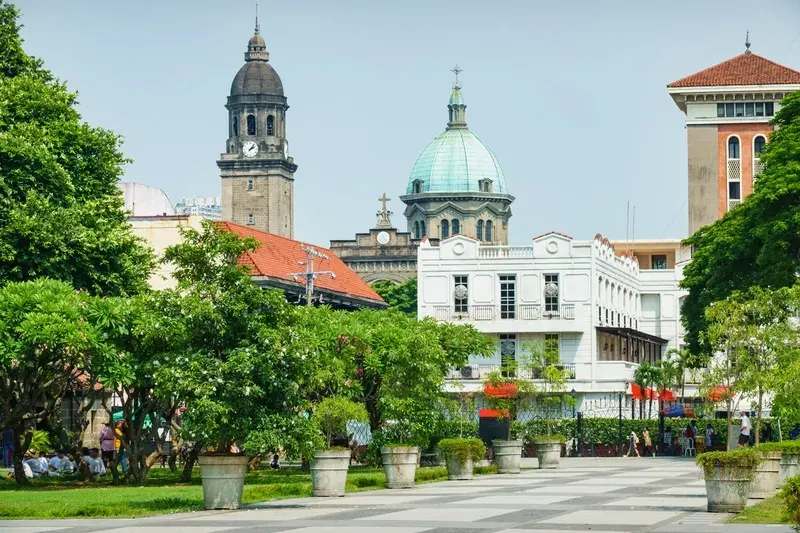
Manila is known for being the capital of the Philippines and for its rich history, cultural heritage, and iconic landmarks. Top attractions include Intramuros, Rizal Park, and Manila Bay, reflecting the city's Spanish colonial past and vibrant urban culture.
History
Manila's history dates back long before Spanish colonization. The area was originally home to the thriving settlement of Maynilad, ruled by local leaders and connected to regional trade networks across Asia. This early trading heritage laid the foundation for Manila's later role as an important commercial center.
In the late sixteenth century, Spanish colonizers established Manila as the capital of the Philippines, and the city became a key hub in the galleon trade that connected Asia with the Americas and Europe. During this period, Spanish architecture and religious influences shaped the city's identity, most notably in the historic walled district of Intramuros, which remains one of Manila's most significant landmarks.
In the early twentieth century, Manila came under American administration, followed by Japanese occupation during World War II. Each period left a lasting impact on the city's architecture, culture, and identity. Since the Philippines gained independence, Manila has continued to grow and evolve into the vibrant capital it is today while preserving its rich historical heritage.
No. Manila is a single city and the capital of the Philippines, while Metro Manila (the National Capital Region) is a larger metropolitan area that includes Manila and several neighboring cities and municipalities.
Economy
As the capital of the Philippines, Manila plays a vital role in the country's economy. The city serves as a major center for finance, trade, government administration, and commerce. Many national government offices, financial institutions, and corporate headquarters are located in and around Manila, making it one of the country's primary business hubs.
The Port of Manila is one of the busiest and most important ports in the Philippines, continuing the city's long-standing role in domestic and international trade. In addition to commerce, Manila has a growing services sector, with business process outsourcing (BPO) becoming a significant contributor to the local economy in recent decades.
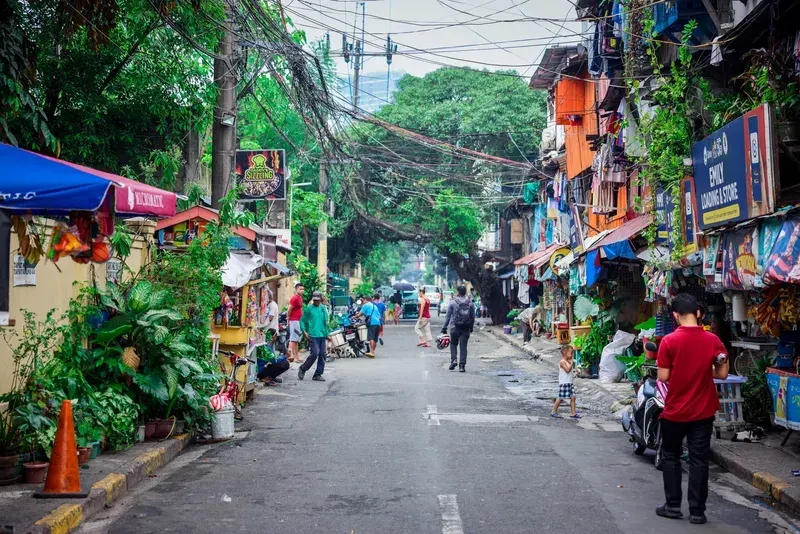
Yes, Manila is generally considered an affordable destination. The city offers a wide range of accommodations, restaurants, and attractions to suit different budgets, making it a good choice for both budget-conscious and luxury travelers.
Customize Your Dream Vacation!
Get in touch with our local experts for an unforgettable journey.
Plan Your TripTop Landmarks and Attractions
Manila is home to numerous landmarks that reflect its rich history, cultural heritage, and architectural legacy. From colonial-era fortifications to public parks and scenic waterfronts, the city's attractions offer insight into its historical and cultural significance.
Intramuros
Intramuros, meaning "within the walls," is the historic walled city built during the Spanish colonial period. Its cobblestone streets, centuries-old churches, fortifications, and colonial buildings preserve Manila's colonial heritage and remain among the city's most significant historical attractions.
Rizal Park
Rizal Park is one of Manila's most important public spaces, dedicated to the Philippine national hero, José Rizal. The park features expansive gardens, monuments, and open green spaces, making it a prominent cultural and recreational landmark.
Manila Bay
Manila Bay is renowned for its scenic waterfront and spectacular sunsets. As one of the Philippines' most important natural harbors, it has played a significant role in Manila's history and continues to be one of the city's most recognizable landmarks.
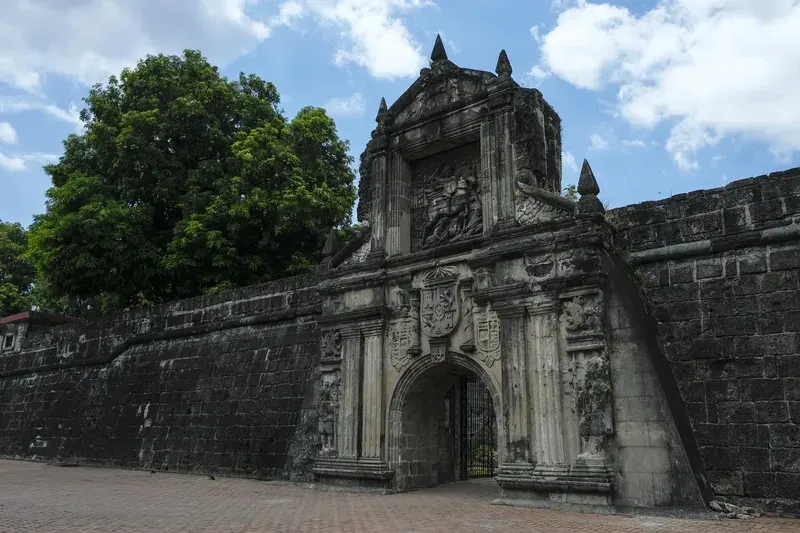
Fort Santiago
Located within Intramuros, Fort Santiago is a historic citadel that played a vital role during the Spanish colonial period and World War II. Today, it stands as one of Manila's best-preserved historical sites, offering insight into the city's centuries-long history.
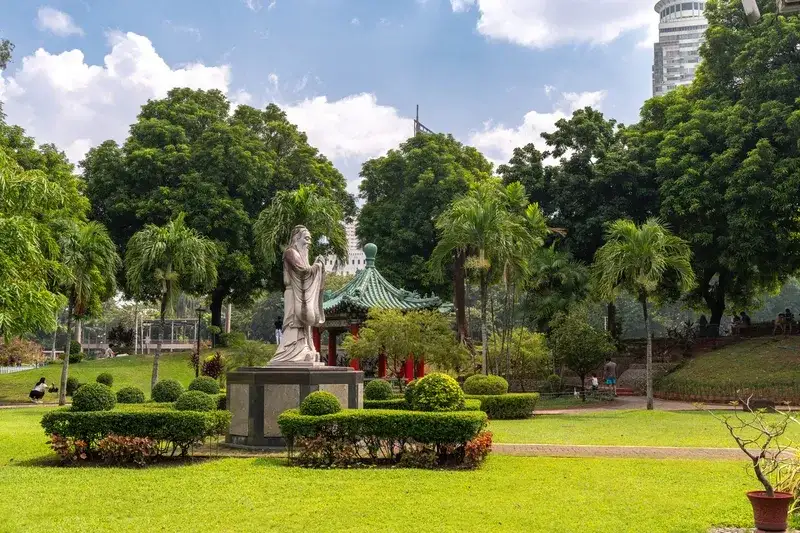
Yes, Manila is a great destination for tourists interested in history, culture, and local cuisine. The city is home to iconic landmarks such as Intramuros, Rizal Park, and Manila Bay, offering a mix of historical attractions, cultural experiences, and modern city life.
Cuisine of Manila
As the capital of the Philippines, Manila is the country's culinary center, bringing together regional flavors and centuries of indigenous, Chinese, Spanish, and American influences.
A highlight of the city's food culture is Binondo, the world's oldest Chinatown, established in 1594. It is known for its Chinese-Filipino cuisine, including dumplings, noodles, siopao (steamed buns), and hopia (bean-filled pastries).
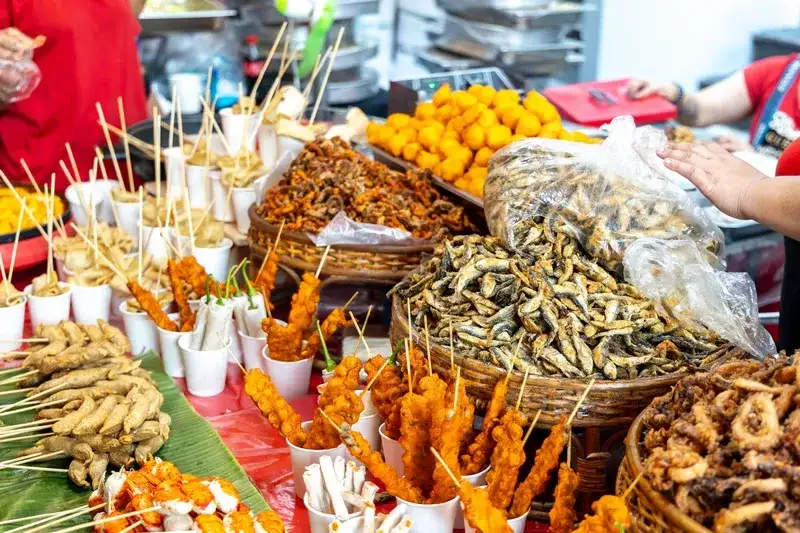
Manila is also the best place to experience iconic Filipino dishes such as adobo, sinigang, kare-kare, lechon, lumpia, and pancit. Street food is equally popular, with local favorites including fish balls, kwek-kwek, isaw, and taho. For dessert, halo-halo, made with shaved ice, milk, fruits, beans, and flan, remains one of the city's most famous treats.
The best time to visit Manila is during the dry season, from November to April, when the weather is generally sunny and more comfortable for exploring the city's attractions and outdoor landmarks.
Manila offers a unique blend of history, culture, and modern city life, making it an essential destination for anyone visiting the Philippines. To experience the country's rich heritage and iconic landmarks, consider including Manila in your Philippines tour package.
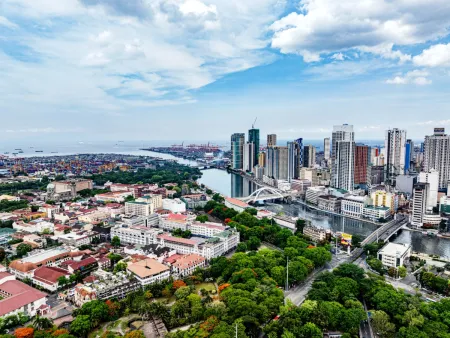
Manila, the capital of the Philippines, is a city where history, culture, and modern development come together, reflecting the nation's rich heritage.
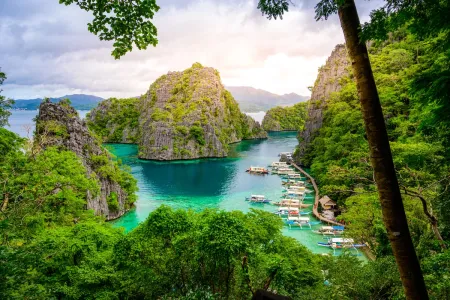
Palawan is an island province in the western Philippines, known for its pristine beaches, limestone cliffs, rich biodiversity, and iconic islands.