
 Home
HomeMerzouga: where Morocco meets the Sahara
Merzouga in Morocco is a Berber village at the foot of the Erg Chebbi dunes. Discover the best things to do, camel treks, desert camps, and the best time to visit.

The first time I saw Erg Chebbi, I actually laughed out loud. You drive for hours across flat, stony nothing, and then this enormous sea of orange dunes just rises out of the ground like a wave that forgot to break. Merzouga is the little village sitting right at the foot of it, and it's one of my favourite places in all of Morocco.
Let me be honest with you from the start: Merzouga is not a city. There's no Medina, no grand monuments, no maze of souks. What Merzouga in Morocco has instead is the real Sahara, right on its doorstep, and that turns out to be more than enough. This guide covers what Merzouga actually is, what to do in Merzouga, how to get there, where to sleep, and everything I wish someone had told me before my first trip.
Table of Contents:
#Where is Merzouga, and what is it?
#Where is Merzouga, and what is it?
Merzouga is a small desert village in southeastern Morocco, sitting right beside the Algerian border at the edge of the Erg Chebbi dunes. When people talk about "the Sahara Desert in Morocco," this is almost always the place they mean.
The whole village exists because of the dunes. Most of the buildings, low, clay-coloured hotels and guesthouses, went up from the 1980s onwards as travellers started arriving to see Erg Chebbi. Today, Merzouga village is home to more than 70 hotels and countless desert camps out in the sand, and nearly everyone here makes their living from desert tourism. You can walk across the village itself in about fifteen minutes.
The star of the show is Erg Chebbi, a "sand sea" of dunes reaching up to 150 metres at their tallest, stretching roughly 22 kilometres north to south and about 5 kilometres wide. In the late afternoon, the sand shifts from gold to copper to deep amber as the shadows grow, and the silence out there is something you feel in your chest.
#Things to Do in Merzouga
People sometimes treat Merzouga as a quick photo stop. That's a mistake. Give it a night, at minimum two if you can. Here's what I'd actually do.
1. Take a sunset camel trek into the dunes
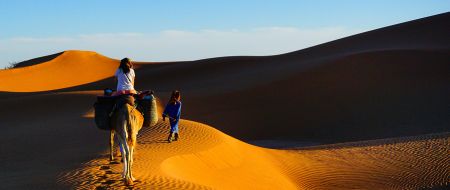
This is the classic Merzouga experience, and it lives up to it. You climb onto a camel at the edge of the village and ride slowly into Erg Chebbi as the light turns from gold to orange. The trek out to most desert camps takes around 45 minutes to an hour and a half, depending on where your camp is. My advice: wear long trousers and closed shoes, bring a scarf for the wind, and hold your phone tightly; a lot of phones vanish into that sand every year. If you're not comfortable on a camel, almost every camp can arrange a 4x4 transfer instead.
2. Sleep overnight in a desert camp
For most people, this is the whole reason to come. Camps range from simple standard tents with shared bathrooms all the way up to luxury desert camps with private tents, real beds, en-suite bathrooms, hot showers, and chef-cooked dinners. Wherever you stay, the evening usually follows the same lovely rhythm: a tagine dinner, mint tea, Berber drumming around a campfire, and then more stars than you have ever seen in your life.
3. Wake up for sunrise over the dunes
Set an early alarm. Walk ten minutes from camp to the top of the nearest crest before the sun appears, and watch the whole Sahara light up pink and gold. The first half hour of daylight is extraordinary, and you'll often have that view completely to yourself. It's genuinely worth losing sleep.
4. Go sandboarding
Rent a board from your camp (usually 50–100 dirhams) and slide down the soft dunes. It looks scary, and it absolutely isn't. The sand at Erg Chebbi is so soft that falling is painless. It's brilliant fun, and great for kids too, as long as everyone wears goggles to keep sand out of their eyes.
5. Explore by quad bike or 4x4
To see the wider desert beyond the camp, take a quad bike or a 4x4 tour. Quads rent from operators along the main village road, roughly 200–400 dirhams an hour, helmets included, no experience needed. A 4x4 tour with a local driver opens up another side of the region entirely, black volcanic landscapes, fossil beds, dry lake views, panoramic viewpoints, and small desert settlements.
6. Visit Khamlia and meet nomad families
A short drive from Merzouga, the village of Khamlia is known for its Gnawa music, played by descendants of Sub-Saharan communities who settled here generations ago. Many tours also stop to share mint tea with a nomad family living out near the dunes, a quiet, human moment that stays with you far longer than any photo.
7. Stargaze under some of the darkest skies in Morocco
Merzouga sits in one of the darkest zones in the country. On a clear night, which is most nights out here, you can see the Milky Way with your naked eye, and the sheer density of stars is hard to describe. Some camps run telescope sessions with a guide, but honestly, just lying back in the sand twenty minutes from camp and looking up is enough.
Merzouga at a glance
Dune height: up to 150 metres · Erg Chebbi size: ~22 km long, ~5 km wide · Camel trek to camp: 45 min–1.5 hrs · Quad hire: 200–400 MAD/hour · Sandboard hire: 50–100 MAD · Best months: October–April
Customize Your Dream Vacation!
Get in touch with our local experts for an unforgettable journey.
Plan Your Trip
#How to get to Merzouga
There's no way around it. Merzouga is remote, and getting there is part of the adventure. Plan the journey properly.
From Marrakech
Around 560 kilometres, roughly 9–10 hours of driving. Nobody does this in one dull stretch. The classic route crosses the High Atlas Mountains over the Tizi n'Tichka pass, then passes Ait Ben Haddou, Ouarzazate, the Dades Valley, and the Todra Gorge before reaching the desert. Most people turn it into a 3-day loop, and that's exactly how I'd do it.
From Fes
Roughly a full day's drive south through the Middle Atlas, cedar forests near Azrou, the town of Midelt, and the palm-lined Ziz Valley, passing Erfoud and Rissani before Merzouga. Many travellers go one way between Fes and Marrakech with the desert in the middle, which I think is the smartest route of all.
By air
The nearest airport is at Errachidia, and Rissani is the closest town with regular links. Most visitors, though, arrive overland as part of a wider Morocco tour rather than flying in.
#Where to stay in Merzouga
You've got two very different choices: sleep in a desert camp out in the dunes, or stay in a hotel or riad in the village.
Desert camps are the reason most people come; waking up surrounded by sand is unforgettable. Village hotels and riads suit families or anyone who prefers a solid room, a pool, and a bit more comfort as a base. Before you book any camp, check exactly what's included: a camel ride or a 4x4 transfer, breakfast and dinner, a private or shared bathroom, and heating or extra blankets in winter. The cheapest camp isn't always the best value; timing for sunrise and sunset, and a clean, warm tent make a big difference.
#Best time to visit Merzouga
The sweet spot is October to April, when daytime temperatures are comfortable and the nights are cool but manageable. Spring (March–April) and autumn (October–November) are my favourite pleasant days, with dramatic light and fewer crowds.
I'd avoid July and August. Summer daytime temperatures in the desert can climb well past 45°C, which makes camel treks genuinely unpleasant and the midday dunes dangerous. Winter days are lovely and clear, but pack seriously warm layers. Desert nights in December and January get properly cold.
#Is Merzouga worth it?
Completely. Merzouga asks something of you. The drive is long, and the village is simple, but what you get in return is the real thing: a genuine Sahara sunset from the back of a camel, a night under a sky thick with stars, and a sunrise over 150-metre dunes with nobody else around. Of all the places I've been in Morocco, this is the one people come home talking about years later.
Give it the time it deserves, pick a good camp, go in the right season, and Merzouga will hand you one of the best nights of your life.

Merzouga is a small desert village in southeastern Morocco, at the edge of the Erg Chebbi dunes, the country's main gateway to the Sahara. This guide covers what to do in Merzouga, from sunset camel treks and overnight desert camps to sandboarding, 4x4 tours, and stargazing, plus how to get there from Marrakech and Fes and the best time to visit.
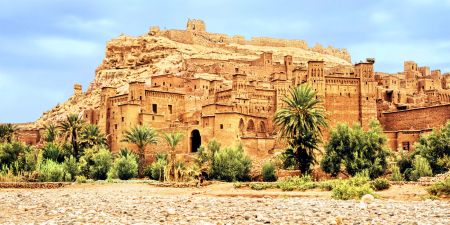
North Africa as well as giving a different experience than the heart of the senior continent. Visiting Morocco, Tunisia, Algeria is different from South Africa, Kenya, Uganda, and more.
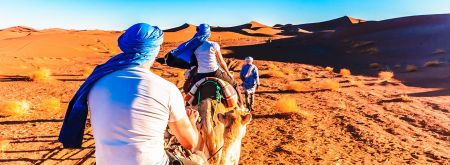
Mhamid city is authentic where you can find knowledgeable locals proudly talk about its history besides sharing interesting facts!
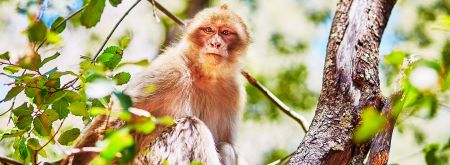
Explore the site where visitors are drawn to Azrou for monkeys and fragrant cedar forest trails as well. Read more!
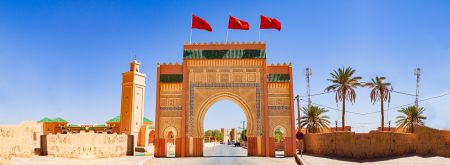
Rissani is a great spot where you can enjoy the local life of its people besides having walks in its narrow yet beautiful alleys. Read more!
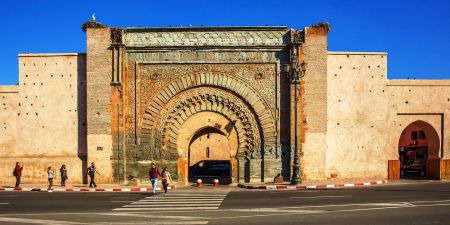
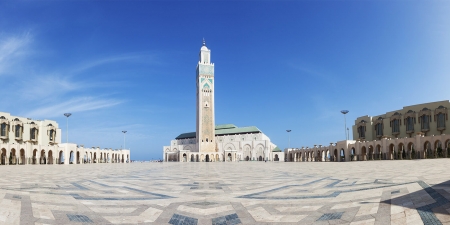
Casablanca's architectural soul dances between Art Deco elegance and Moroccan tradition, from its bustling city center to the enchanting Habous district - a modern medina that beautifully marries age-old charm with contemporary living, showcasing Morocco's timeless ability to adapt and inspire. Read More!
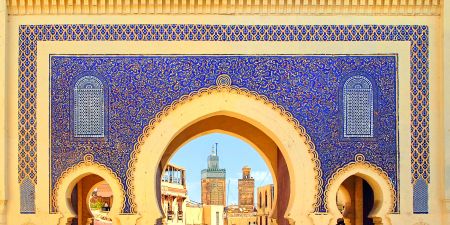
The entire Medina has been designated a Unesco World Heritage of Humanity Site. Wander through its souks and alleys which are unchanged since the Middle Ages. Read more!
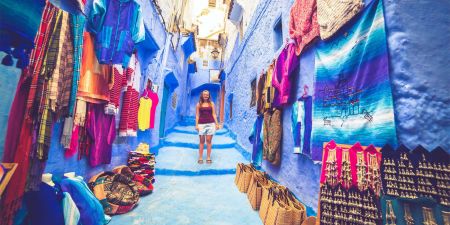
Chefchaouen is a city with blue and white lime-washed houses. A powerful charm that you really can feel in the Outa-el-Hammam square, in the cobblestone medina. Read More!
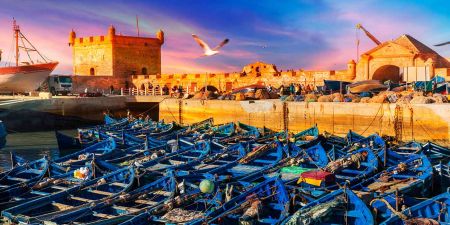
Essaouira is one of the most charming cities in Morocco. Know more about this City with Memphis Tours.
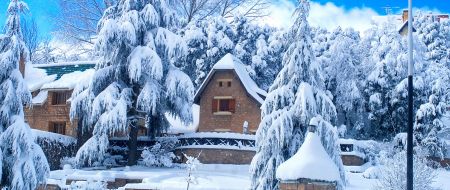
Nestled in Morocco's Middle Atlas, Ifrane - the "Little Switzerland of Africa" - beckons with its Alpine charm, lush forests, and crisp mountain air, offering a refreshing escape between the ancient wonders of Fez and Marrakech. Read More!
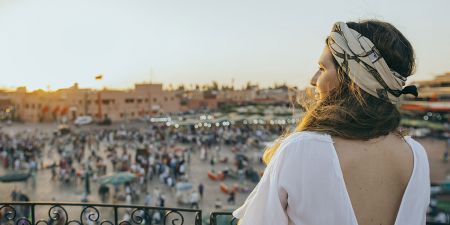
Marrakech: A sensory feast where ancient medinas, bustling souks, and majestic palaces paint a vibrant tableau of Moroccan culture, inviting you to lose yourself in its timeless magic!
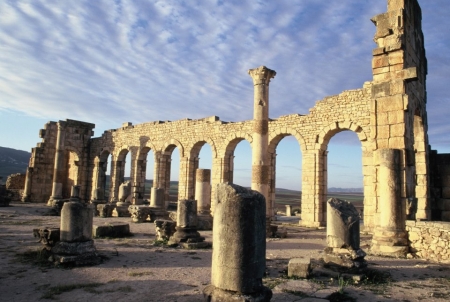
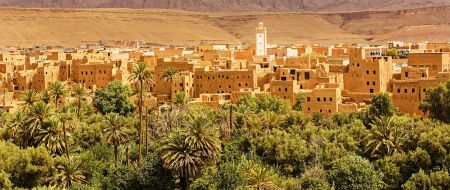
Nestled amidst picturesque walking trails, Tinghir beckons adventurers with its irresistible charm, offering a tapestry of experiences that unfold whether you're embarking on a whirlwind day trip or savoring a leisurely multi-night sojourn in this captivating Moroccan gem.
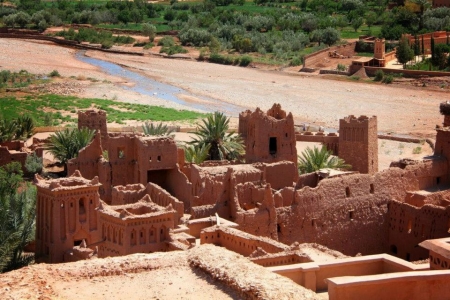
Ouarzazate has been unfailingly linked with cinema since 1984. it has remarkable examples of traditional architecture give a foretaste of the famous Route of the 1000 kasbahs.
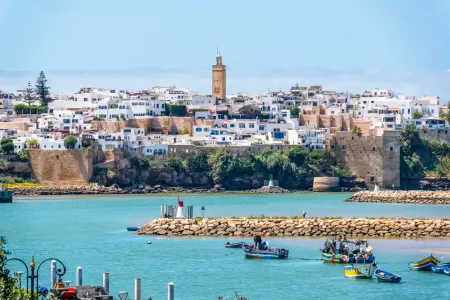
Rabat Morocco, a city where time dances to its rhythm, invites you to lose yourself in fragrant gardens, stroll along sun-dappled promenades, and immerse your senses in a kaleidoscope of festivals that paint the grand avenues with joy and laughter!
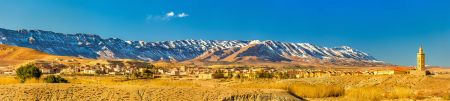
Nestled between the majestic Middle and High Atlas mountains, Midelt beckons adventurers with its breathtaking landscapes, where nature's grand canvas unfolds in a symphony of rugged peaks and verdant valleys, inviting you to lose yourself in Morocco's hidden gem!
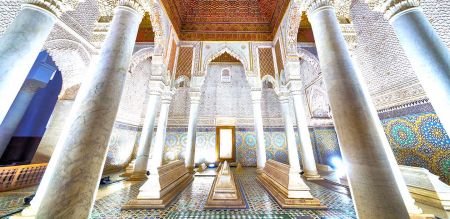
Saadian Tombs, The royal cemetery of Al-Saadian family who ruled Morocco from 1546-1659. The mausoleum is comprising about 60 gravestones for Saadian members divided into 3 main chambers.
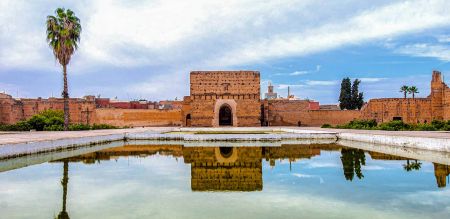
Among various things to do in Morocco El Badi Palace, was built for the Saadian Sultan Ahmed al-Mansour Dhabi in Marrakesh following the same Muslim-Morrocan style of architecture.
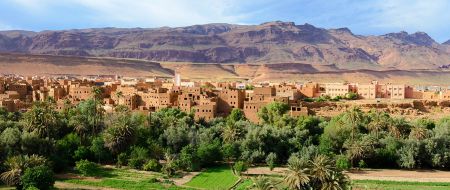
Skoura, one of Morocco’s beautiful oases, is located near Ouarzazate near the Atlas Mountains. The city offers its visitors the chance to rest and relax within its charming nature. Know more!
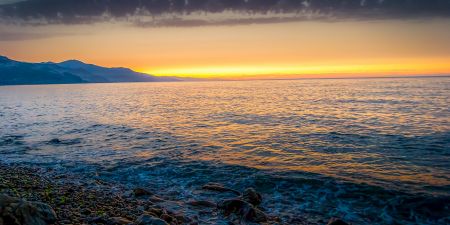
Saidia, Morocco's "Blue Pearl," beckons with its sun-kissed Mediterranean shores, where golden sands stretch for miles, inviting you to lose yourself in a paradise of azure waters, vibrant culture, and endless summer dreams!
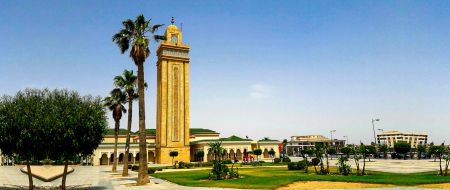
Know more about Oujda Morocco, the largest city. It lies in the extreme northeast of Morocco, near the Moroccan-Algerian border.
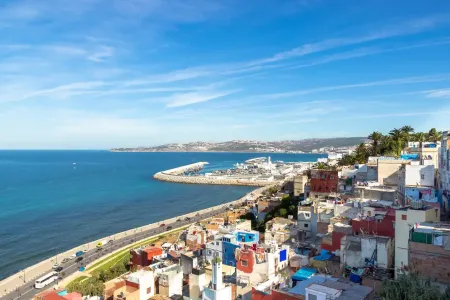
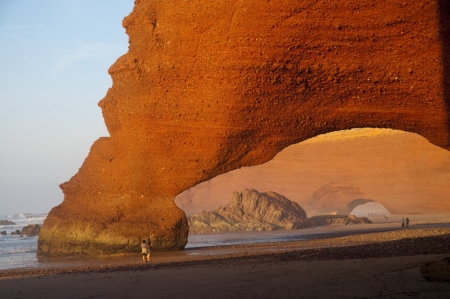
Agadir is the leading seaside resort in Morocco deserves its title. A 10km-long beach of fine sand and more than 300 days of sunshine a year.
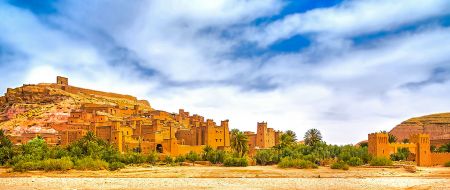
Ait Benhaddou, a UNESCO World Heritage Site in Morocco, is a stunning fortified village renowned for its ancient mud-brick architecture, rich history, and iconic role in numerous films and TV shows!
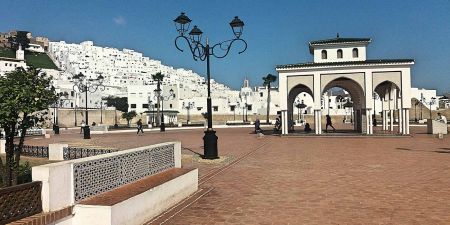
Tetouan, a charming Hispano-Mauresque town, plays on the mixture of cultures whilst remaining guardian and shopwindow for its most beautiful traditions.
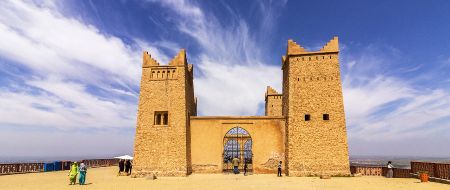
Dive in the heart of the Kingdom Morocco, Beni Mellal, boarded by Er Rachidia from the east, Khouribga in the west, Meknes and Boulemane on the north, Azilal and el Kelaa des Srarhna in the south. Know more!
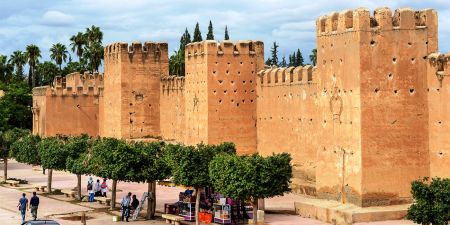
Taroudant, often called "Little Marrakech," is a historic Moroccan city renowned for its ancient ramparts, vibrant souks, and authentic charm, offering a tranquil escape in the Souss Valley.
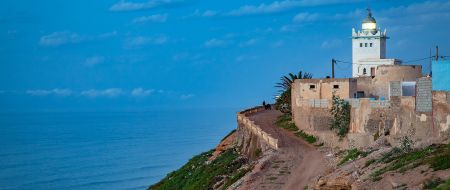
The calm coastal Sidi Ifni is grounded over the Fishing activities by its inhabitants' hands who are the Shilha of the Ait Baamrane tribe dwelling the city of Sidi Ifni and its surroundings. Read more!
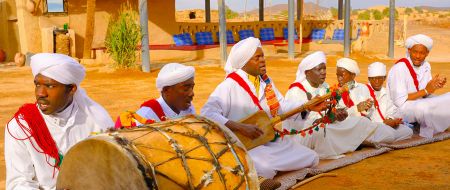
Khamlia Village, known as the "Gateway to the Desert," is a charming Berber village in Morocco famous for its Gnawa music, rich cultural heritage, and warm hospitality.
Although Zagora, dating back to the 13th century, lacks major architectural monuments, it remains an intriguing destination for exploring southeastern Morocco!

Imlil, Morocco, is a perfect place to escape into the Atlas Mountains. Compared to Marrakech, the region of Imlil is cooler and more tranquil. Know more!