
 Home
HomeTop Lakes in Africa
Among Lakes in Africa, there is the second-largest freshwater lake in the world, as well as the longest. Africa has so much to offer travelers including world-renowned lakes.
.jpg "Top Lakes in Africa")
The main lakes in Africa are among the continent’s most iconic natural landmarks, combining breathtaking scenery, diverse ecosystems, and cultural significance. From the vast waters of Lake Victoria, Africa’s largest lake, to the crystal-clear depths of Lake Malawi and the unique biodiversity of Lake Tanganyika, each offers a distinct glimpse into the continent’s natural heritage.
These lakes not only provide vital resources for surrounding communities but also serve as habitats for countless wildlife species. Many African safari tours highlight the major lakes in Africa as part of their itineraries, giving travelers the opportunity to enjoy spectacular landscapes, observe wildlife, and connect with the traditions of the people who live along their shores.
Lake Victoria
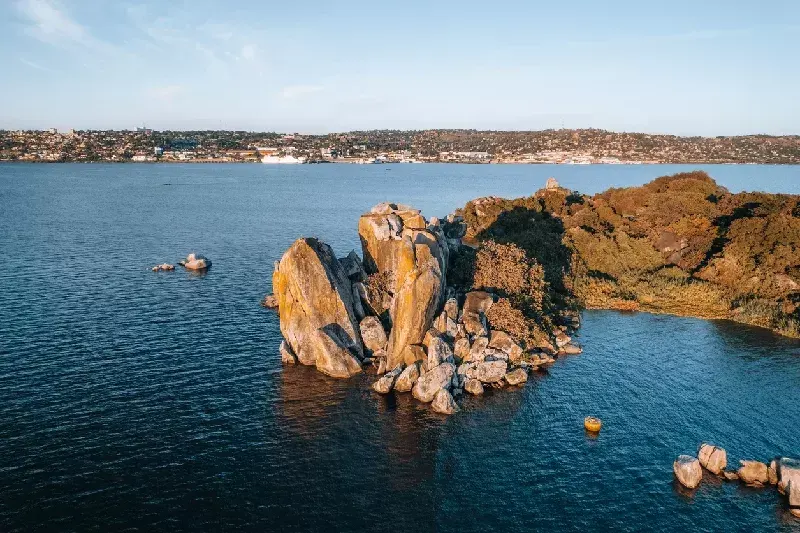
Bordered by Uganda, Kenya and Tanzania, Lake Victoria is the largest lake in Africa and the second-largest freshwater lake in the world. It supports a diverse ecosystem of reefs and islands, including many unique species of fish.
The surrounding region is one of the most densely populated in Africa, with millions relying on the lake for fishing, agriculture, and transport. Economically, it sustains entire communities through its fisheries, which provide both food and income. For visitors, Lake Victoria offers unique experiences such as sport fishing for the massive Nile perch, birdwatching with over 350 recorded species, boat trips to the Ssese Islands, and cultural encounters with lakeside villages.
Lake Naivasha
Lake Naivasha is one of the most famous lakes in Kenya and one of the truly astonishing lakes reflecting aquatic beauty. Mainly fed by the Malewa and Gilgil rivers with no visible outlet, the lake’s outlet is an underground one.
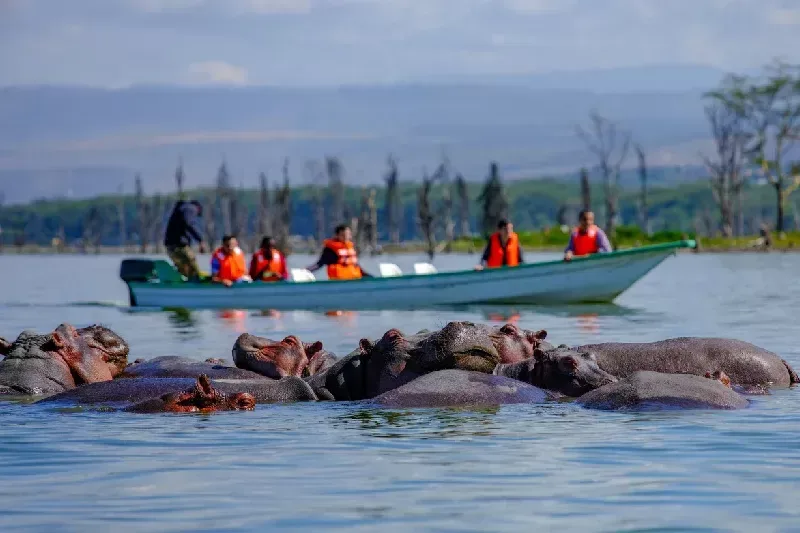
The lake is impressive concerning its watery body standards and its surface area which is 139 square kilometres and 6M deep. Lake Naivasha is also home to an extensive variety of wildlife. Going on a tour, you can enjoy a boat safari where you will explore the concentrated wildlife, and the vibrant birdlife.
Beyond the lake itself, Crescent Island Sanctuary provides one of the best opportunities in Kenya for walking safaris. Since no large predators live on the island, travelers can safely walk among giraffes, wildebeest, waterbuck, and other animals, creating a unique and memorable wildlife experience. The lake is not only a hub for tourism but also plays an important economic role, supporting local fishing and flower farming industries. For those on African safari tours, Lake Naivasha is often included as part of itineraries to nearby attractions like Hell’s Gate National Park or Lake Nakuru, offering a perfect balance of scenic beauty, wildlife encounters, and cultural discovery.
Customize Your Dream Vacation!
Get in touch with our local experts for an unforgettable journey.
Plan Your TripLake Nakuru
Lake Nakuru is home to huge numbers of birds and mammals such as the occasional warthog or baboon. The lake provides the visitor with one of Kenya’s best known images.It has become widely known for its birds, who come to the lake to feed on algae. They move back and forth, feeding and taking to flight, filling the sky over the lake with color.
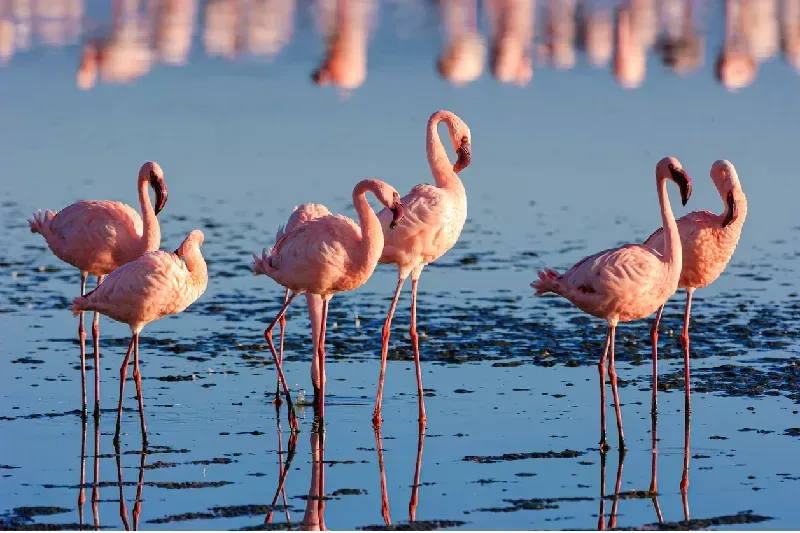
Flamingo watching is the best thing to do in Lake Nakuru, as it is home to a huge flamingo population, swelling to more than 1.5 million at times. Annually, the pink flamingos flock to Lake Nakuru in record numbers.
Lake Tanganyika
Being one of the ten largest freshwater lakes in the world and the second deepest after Lake Baikal, Lake Tanganyika also holds the title of the world’s longest lake, stretching over 670 kilometers. Its immense size and depth make it a unique ecological treasure, containing nearly one-fifth of the planet’s fresh water.
The lake forms a natural border between the Democratic Republic of the Congo and Tanzania, while also touching Burundi to the north and Zambia to the south. Its shores are dotted with fishing villages, ports, and small towns that rely heavily on its waters for food and trade.
As a tourist attraction, Lake Tanganyika’s crystal-blue waters are inviting for swimming and relaxation, while sport fishing is a major draw thanks to species like Nile perch and the colorful cichlids found only here. Snorkeling and diving also appeal to nature lovers, offering the chance to observe diverse aquatic life in clear waters. For travelers on African safari tours, Lake Tanganyika is often combined with nearby parks and reserves, making it a rewarding stop for both adventure and cultural discovery.
Lake Nyasa
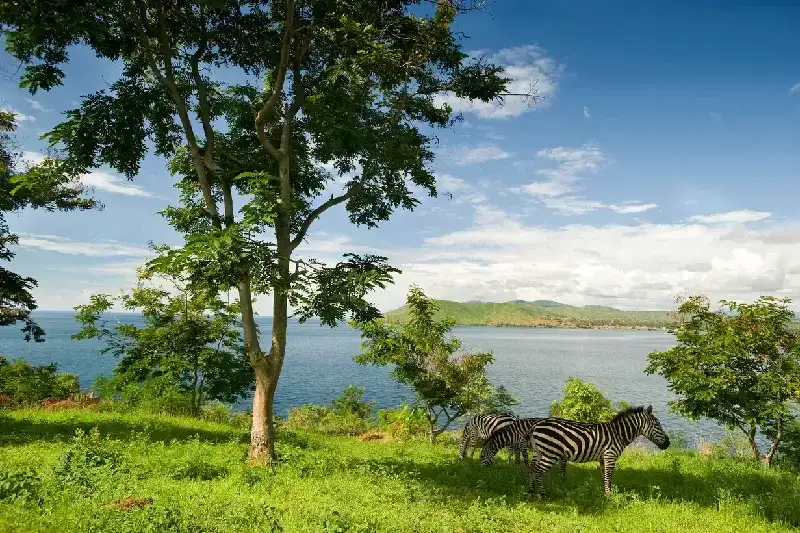
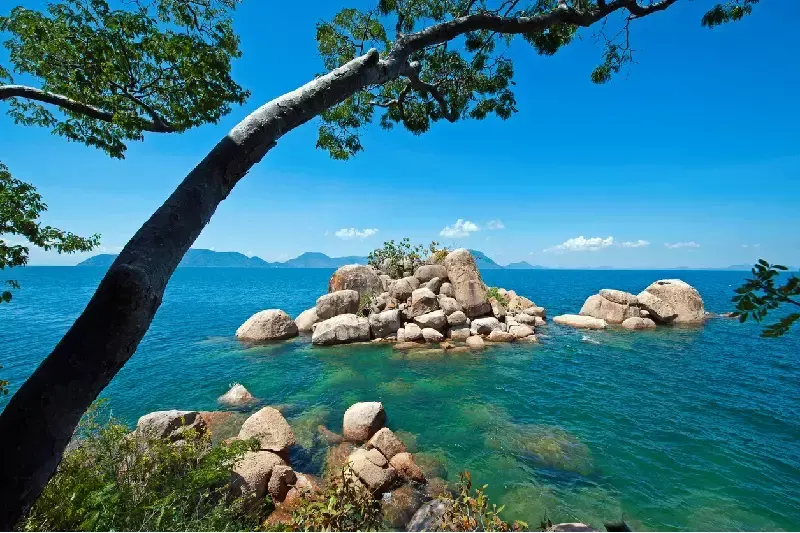
Lake Nyasa, also known as Lake Malawi, is part of the African Great Lakes system and the third-largest in the East African Rift Valley. Shared by Malawi, Tanzania, and Mozambique, it is famous for its scenic beaches—from Malawi’s lively lakeside villages to Tanzania’s tranquil Matema Beach. The lake is also a biodiversity hotspot, home to more freshwater fish species than any other lake, making it a paradise for divers, snorkelers, and travelers alike.
Lake Albert
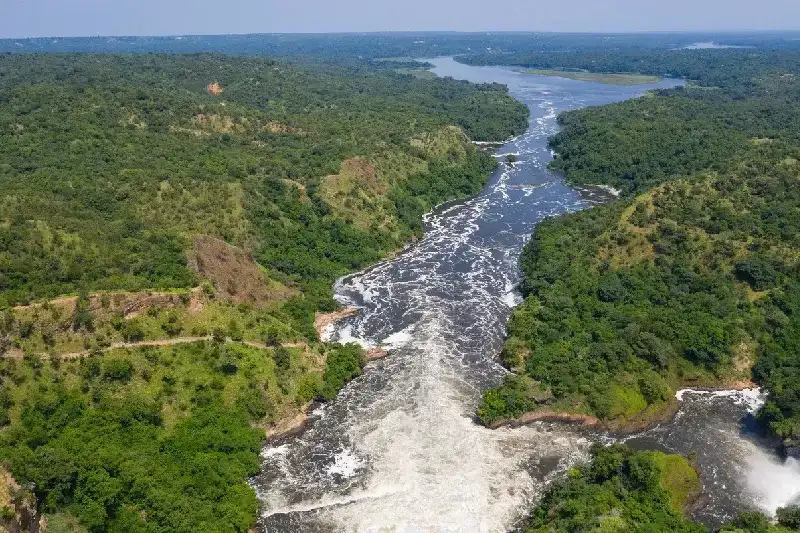
Sometimes known as Lake Mobutu Sese Seko, Lake Albert borders Uganda and the Democratic Republic of the Congo. It plays as a significant source of the White Nile river. Reaching only 80 feet in depth, the lake is relatively shallow. However, it's the fourth largest of the Rift Valley lakes, in terms of surface area. Visitors are especially interested in the wildlife and forest preserves around the lake, as well as Murchison Falls National Park.
Lake Kivu
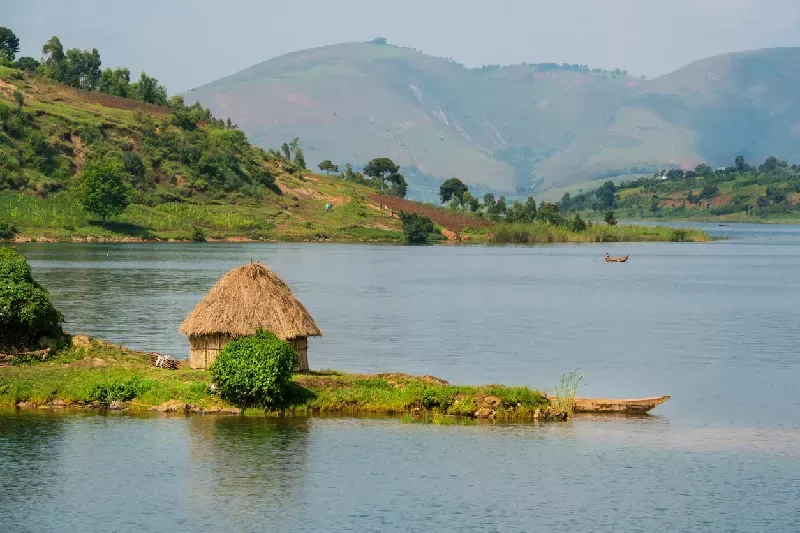
Located in western Rwanda, Lake Kivu is the country’s largest lake and ranks among the main lakes in Africa as the sixth largest on the continent. The lake is surrounded by stepped mountains and deep green waters covering a surface area of 2,700 km2. The lake is a great spot for swimmers. It has a cool temperature and is crocodile free, hippo free and bilharzia free. Besides, Kivu is dotted with beaches along the lakeshores with fine sands and mild sun to relax.
Going on a walking tour on the beaches of lake Kivu is a must. A walk at the shores of the lake with the cool breeze is an unforgettable experience. For adventurers, hiking is a good choice to enjoy after a long safari.
Human Settlements and Culture
Communities Living Around the Lakes
Africa’s great lakes have long shaped where people live and how they survive. Large populations are concentrated around lakes such as Victoria, Malawi, and Tanganyika, where fertile soils and abundant water support agriculture, fishing, and trade. Villages and towns thrive along the shores, turning the lakes into vital centers of economic and social life. For many communities, the lakes are not just sources of livelihood but also places of gathering, celebration, and connection.
Traditional Fishing Practices
Fishing is one of the oldest and most important activities around Africa’s lakes. Local communities have developed traditional techniques, often passed down through generations, to sustainably harvest fish. Dugout canoes, woven nets, and traps are still used alongside modern fishing boats. For example, the people around Lake Malawi are known for catching small fish called usipa, dried in the sun and sold in local markets. These practices not only provide food but also form part of the cultural identity of lakeside communities.
Cultural Importance and Legends
Beyond their economic role, Africa’s lakes hold deep spiritual and cultural significance. Many are tied to myths, legends, and oral traditions. For instance, some communities around Lake Victoria believe it to be a sacred body of water, woven into creation stories and local folklore. Lakes are also settings for rituals, festivals, and songs that celebrate their life-giving power. Such traditions highlight the lakes as more than just geographical features—they are cultural landmarks that shape identity, belief systems, and heritage across generations.
Ready to explore the nature? Discover the beauty of Africa’s Lakes with our African safari tours!
FAQS
The main lakes in Africa, often referred to as the African Great Lakes, include Lake Victoria, Lake Tanganyika, and Lake Malawi (Nyasa), which are the largest and most significant. Other important ones are Lake Albert, Lake Edward, Lake Kivu, Lake Turkana, and Lake Naivasha. These lakes are vital for biodiversity, freshwater resources, and local livelihoods.
Lake Tanganyika is shared by Tanzania, the Democratic Republic of the Congo, Burundi, and Zambia.
Yes, in many areas it is safe, with clear, clean water, but swimmers should stay cautious of hippos and crocodiles near the shores.
Among the notable lakes, Lake Albert is one of the smallest in surface area compared to giants like Victoria or Tanganyika.
Lake Victoria is Africa’s largest lake and one of the sources of the Nile River, making it both historically and geographically significant.
It depends—Lake Nakuru is famous for flamingos and a national park, while Lake Naivasha offers boat rides, walking safaris, and lakeside scenery.
Yes, Lake Nyasa (Lake Malawi) is safe for swimming in many parts, and it’s popular for snorkeling and diving due to its colorful cichlid fish.
Lake Albert is part of the Nile River system and is rich in fish diversity, serving as an important resource for surrounding communities.
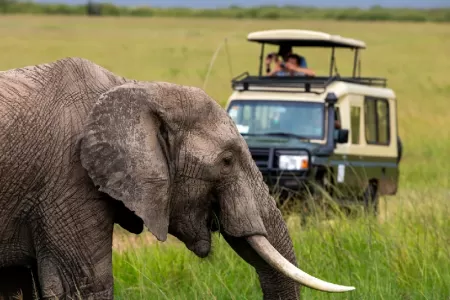
Discover the best national parks in Africa. From safaris to landscapes, explore top African parks and experience wildlife like never before.

The main lakes in Africa, like Victoria, Tanganyika, and Malawi, highlight the continent’s natural beauty, wildlife, and cultural heritage.