
 Home
HomeMasirah Island: The Hidden Paradise in Oman You Never Knew Existed
Escape to Masirah Island, a hidden gem off Oman’s southeastern coast, where rugged landscapes meet pristine beaches and rich marine life. Known for its windswept shores, world-class kite-surfing conditions, and unique wildlife—including the largest population of loggerhead turtles in the world—this secluded island offers adventure and tranquility. Explore abandoned shipwrecks, spot rare birds, or unwind on untouched beaches with turquoise waters. Accessible by ferry or plane from the mainland, Masirah is perfect for kite-surfers, nature lovers, and off-the-grid travelers seeking an authentic Omani experience.

Masirah Island surprisingly remains one of the most spectacular hidden gems in the Middle East, despite being the largest island in Oman at 649 km². When we first discovered this 95 km long paradise, we were amazed by its status as the world's largest hatching ground for loggerhead sea turtles and home to over 400 bird species.
The allure of Al Masirah, Oman goes beyond its impressive biodiversity. In fact, this relatively undeveloped island only opened to tourism in the 1990s, making it one of Oman's last frontiers for travelers seeking unspoiled coastlines. Additionally, the island hosts a critically endangered population of humpback whales that migrate through its surrounding waters. Throughout this guide, we'll share everything you need to know about accessing this hidden paradise (just a 90-minute ferry ride from Shannah Port), exploring its natural wonders, and experiencing an authentic Omani destination that few international travelers have discovered.
Geography and Natural Landscape of Masirah Island
Situated off Oman's southeastern coast in the Arabian Sea, Masirah Island (or Jazīrat Maṣīrah in Arabic) stretches an impressive 95 km north to south with a width between 12-14 km. The island encompasses approximately 649 km² of diverse terrain, separated from mainland Oman by the Masirah Channel.
Island size, location, and terrain
The geographic heart of Masirah sits at coordinates 20.41° latitude and 58.78° longitude. Throughout my explorations of the island, I've found its terrain remarkably varied. The eastern side features continuous hills running nearly the entire island length, with a steep plateau in the northeast. Meanwhile, the western portion presents low hills separated from the eastern range by an extensive sandy plain dotted with hillocks.
Masirah's elevation averages 37 meters, though its highest point reaches approximately 169 meters above sea level. Notable peaks include Jabal Madrub (256m) near the north, and the conspicuous conical Jabal Suwayr (153m) near the southern tip. Furthermore, the island's vegetation zones reveal its ecological diversity—five distinct zones exist across the island, though overall tree cover remains sparse at just 3%.
Unique coastal features and beaches
The 174 km coastline presents a captivating mix of sandy beaches, rocky cliffs, and unique formations. Along the eastern shore, Ras al-Ya forms a prominent bluff rising to a ridge of hills extending westward. Northward lies Ras al-Jazirah, marked by a distinctive black patch on its south side.
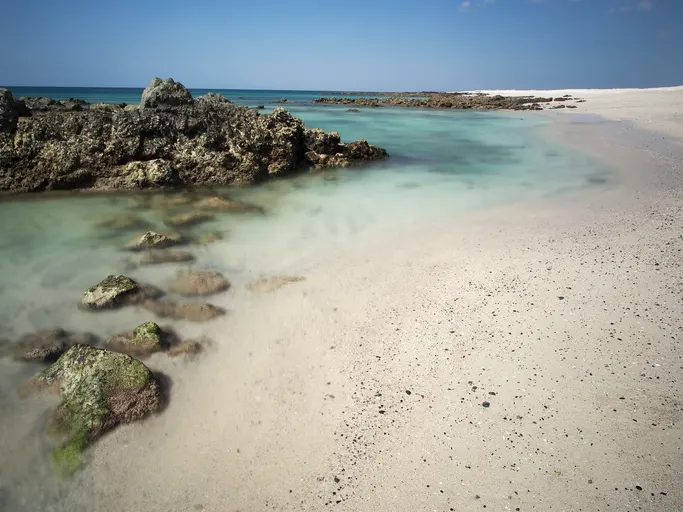
Among Masirah's unspoiled beaches, several stand out for their beauty. Ras Abu Rasas Beach offers excellent swimming and snorkeling conditions, while Sur Masirah Beach combines thrilling water sports with vibrant sunsets. Particularly noteworthy is Khor Ghawi Beach with its kayaking opportunities, while Dhabab Beach captivates visitors with dramatic cliffs and hidden coves.
Climate and seasonal patterns
Masirah experiences a hot desert climate (Köppen classification BWh). Throughout the year, temperatures remain warm, with averages ranging from 25°C in January to 30°C in May, the hottest month. Nights typically cool to around 22°C.
Precipitation is remarkably sparse—approximately 40-99mm annually—occurring primarily during two periods: December to April from Gulf of Oman depressions, and June to August from monsoon circulation. June receives the highest rainfall at 21mm.
The island experiences distinct seasonal changes. Winter (December-February) brings comfortable temperatures and mostly clear skies. Summer (June-September) turns hot and humid with increased cloudiness. Notably, May through June represent the hottest period, occasionally seeing temperature records of 45-47°C, making October through April generally the most pleasant time for visitors.
A Look into Masirah's Rich History
Beyond its natural splendor, Masirah Island harbors a fascinating historical timeline that stretches from prehistoric settlements to strategic military importance in recent decades.
Ancient settlements and archeological finds
Archeologists have uncovered evidence that humans inhabited Masirah Island since prehistoric times. Excavations across the island have revealed ancient pottery shards, stone tools, and remnants of early fishing communities. These archeological treasures indicate that the island served as a crucial waypoint for early maritime traders navigating between Mesopotamia and the Indus Valley.
What fascinates me most about these discoveries is how they demonstrate the island's historical significance as a crossroads of ancient civilizations. Several sites show evidence of occupation during the Bronze Age, suggesting Al Masirah, Oman played an important role in regional trade networks long before modern navigation.
British military presence and RAF base
The strategic importance of Masirah Island became evident during the 20th century when British forces established a significant military presence. In 1930, the Royal Air Force constructed RAF Masirah, which operated until 1977. The base played a pivotal role during World War II as a refueling station for aircraft traveling between India and the Middle East.
Throughout the Cold War era, RAF Masirah continued its strategic significance. Following the 1970 coup in Oman, British forces stationed on the island provided crucial support to Sultan Qaboos bin Said. After British withdrawal in 1977, the base transferred to Omani control, yet still occasionally hosted allied forces.
The BBC relay station and its legacy
Concurrently with the military presence, the BBC established a powerful relay station on Masirah Island in the 1960s. This facility formed part of a global network transmitting BBC World Service broadcasts across the Middle East and Indian Ocean regions.
The massive antenna arrays, once visible from miles away, represented cutting-edge broadcast technology of their era. Although decommissioned in the late 20th century, the station's foundation remains visible in certain areas, serving as a reminder of the island's role in global communications history.
Thus, Masirah's historical significance extends far beyond its natural wonders, revealing layers of human activity that have shaped this remote island over centuries.
Tourism, Travel Tips, and What to Do
Planning a journey to this untouched paradise requires some preparation, but the reward is access to one of Oman's most authentic island experiences. I've found that Masirah Island offers a perfect blend of adventure and tranquility for those willing to venture off the beaten path.
How to get to Masirah Island
Reaching Al Masirah, Oman begins with a drive from Muscat to Shannah Port (approximately 400km or 5 hours). From there, the National Ferry Company operates vehicle ferries that make the 90-minute crossing to Hilf Port. The ferry runs four times daily between 9am and 6pm, costing 3 OMR for adults and 1.5 OMR for children one-way. If bringing a vehicle, expect to pay 16 OMR for a standard car or 20 OMR for a 4WD. Accordingly, I recommend booking tickets in advance through the NFC office or online.
Top attractions: beaches, kite surfing, and more
The island's pristine beaches constitute its primary draw. Specifically, Ras Abu Rasas Beach in the south offers spectacular sunset views from a bench erected by RAF personnel. For water enthusiasts, Masirah ranks among the world's premier kitesurfing destinations with consistent winds, especially from May through September when speeds reach 20-45 knots. Besides, wildlife enthusiasts can witness turtle nesting between May and August.
Where to stay: resorts, camps, and guesthouses
Accommodation options range from basic to luxurious. Masira Island Resort offers 22 well-appointed rooms with sea views, representing the island's premium option at 75-130 OMR nightly. Alternatively, Masirah Beach Camp provides beachfront cabins and excellent access to water sports. Budget travelers can find guesthouses in Hilf starting around 22 OMR per night.
Best time to visit and what to pack
The ideal visiting period spans October through April when temperatures hover comfortably between 23-26°C. Essentially, pack light, breathable clothing, sun protection, and cash as ATMs are limited. Furthermore, bring a dry bag for wadi swimming, comfortable shoes for exploring, and modest attire for visiting local communities.
Conclusion
Masirah Island truly stands as one of Oman's last unexplored frontiers. My journeys across this remarkable island have consistently revealed natural wonders that few travelers ever experience. Loggerhead turtles, rare humpback whales, and hundreds of bird species thrive here, making wildlife encounters almost guaranteed during any visit.
Though small in size, the island offers extraordinary diversity – from sandy beaches perfect for kitesurfing to rugged mountains reaching 169 meters above sea level. The eastern shores provide dramatic sunrise views, while western beaches showcase stunning sunsets that paint the Arabian Sea in golden hues.
Undoubtedly, the island's relative isolation has preserved both its natural ecosystems and cultural authenticity. Local fishing villages continue age-old traditions, creating an experience markedly different from mainstream tourist destinations. This isolation, however, requires visitors to plan accordingly with adequate supplies and realistic expectations about available amenities.
Weather patterns significantly impact any Masirah experience. Therefore, timing your visit between October and April ensures comfortable temperatures and clear skies ideal for exploration. Kitesurfers, conversely, might prefer the powerful summer winds despite higher temperatures.
First-time visitors should consider spending at least three days here to fully appreciate all the island offers. This timeframe allows exploration of multiple beaches, wildlife observation, and meaningful cultural interactions with local Omanis who call this island home.
After all, Masirah Island represents more than just another destination – it offers a rare glimpse into an Arabian paradise largely unchanged by mass tourism. Those willing to venture beyond Oman's more famous attractions will find themselves rewarded with pristine landscapes, meaningful wildlife encounters, and the satisfaction of discovering a place few travelers can claim to have experienced.
FAQs
1. How can I reach Masirah Island?
You can reach Masirah Island by taking a 90-minute ferry ride from Shannah Port. The National Ferry Company operates vehicle ferries that make the crossing to Hilf Port four times daily between 9am and 6pm.
2. What is the best time to visit Masirah Island?
The ideal time to visit Masirah Island is from October through April when temperatures are comfortable, ranging between 23-26°C. This period offers pleasant weather for exploring the island's attractions.
3. What wildlife can I expect to see on Masirah Island?
Masirah Island is home to diverse wildlife, including loggerhead turtles, various bird species, and marine life. You might witness turtle nesting between May and August, and spot ospreys, sooty falcons, and pink-backed pelicans throughout the year.
4. Are there accommodation options available on the island?
Yes, there are several accommodation options on Masirah Island. These range from luxury resorts like Masira Island Resort to more budget-friendly options such as Masirah Beach Camp and guesthouses in Hilf town.
5. What activities can I enjoy on Masirah Island?
Masirah Island offers a variety of activities for visitors. You can enjoy pristine beaches, go kitesurfing (especially from May through September), observe wildlife, explore archeological sites, and experience the local Omani culture in fishing villages.
From Majestic Mountains to Turquoise Coastlines, Plan Your Dream Oman Trip Now!
Customize Your Dream Vacation!
Get in touch with our local experts for an unforgettable journey.
Plan Your Trip
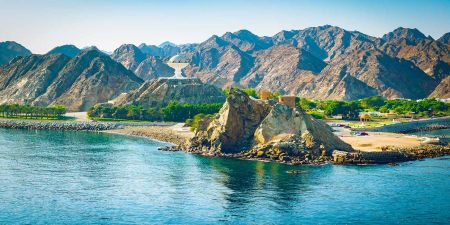
Explore Barr Al Hikman Oman—salt flats, lagoons & wildlife. Perfect for birdwatching, kayaking, & wonderful adventures, find more Now!
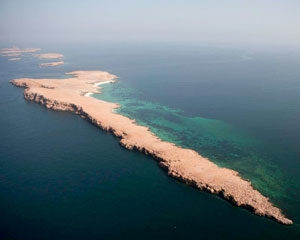
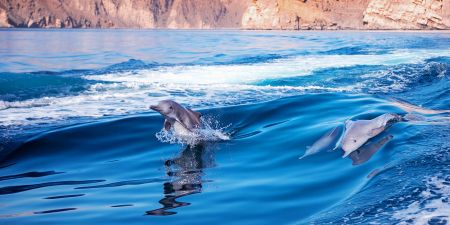
Discover the Daymaniyat Islands Oman—pristine waters, vibrant reefs & marine life. Perfect for diving, snorkeling & eco-adventures!
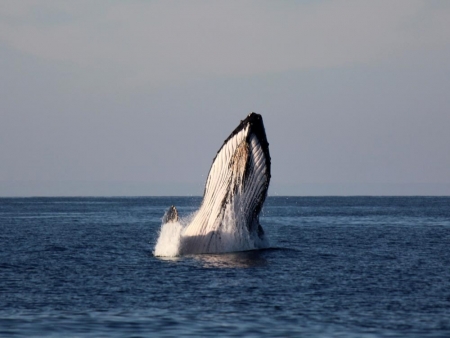
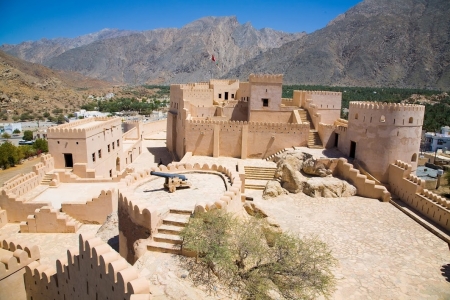
Explore the Al Hillaniyat Islands Oman—a hidden gem with turquoise waters, coral reefs, and turtle nesting sites. Ideal for snorkeling and eco-adventures!

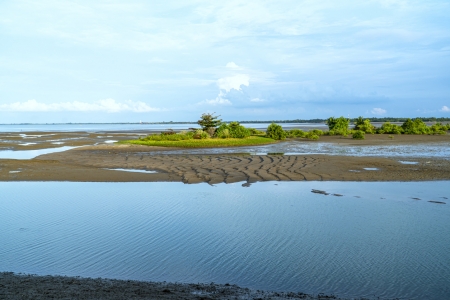
Discover Masirah Island Oman—wild beaches, epic kite-surfing & turtle nesting sites. A paradise for adventurers & nature lovers!