
 Home
HomeJabal Al-Ahmar Guide 2025: Exploring Saudi Arabia's Majestic Red Mountain
Discover Jabal Al-Ahmar, or "Red Mountain," in Al Ula, Saudi Arabia. This UNESCO World Heritage site boasts striking red rock formations and 18 intricately carved Nabataean tombs over 2,000 years old. Explore its archaeological significance, unique geology, and essential travel tips for this hidden gem in the Hegra region.
What Is Jabal Al-Ahmar? Saudi Arabia's Hidden Red Mountain Treasure
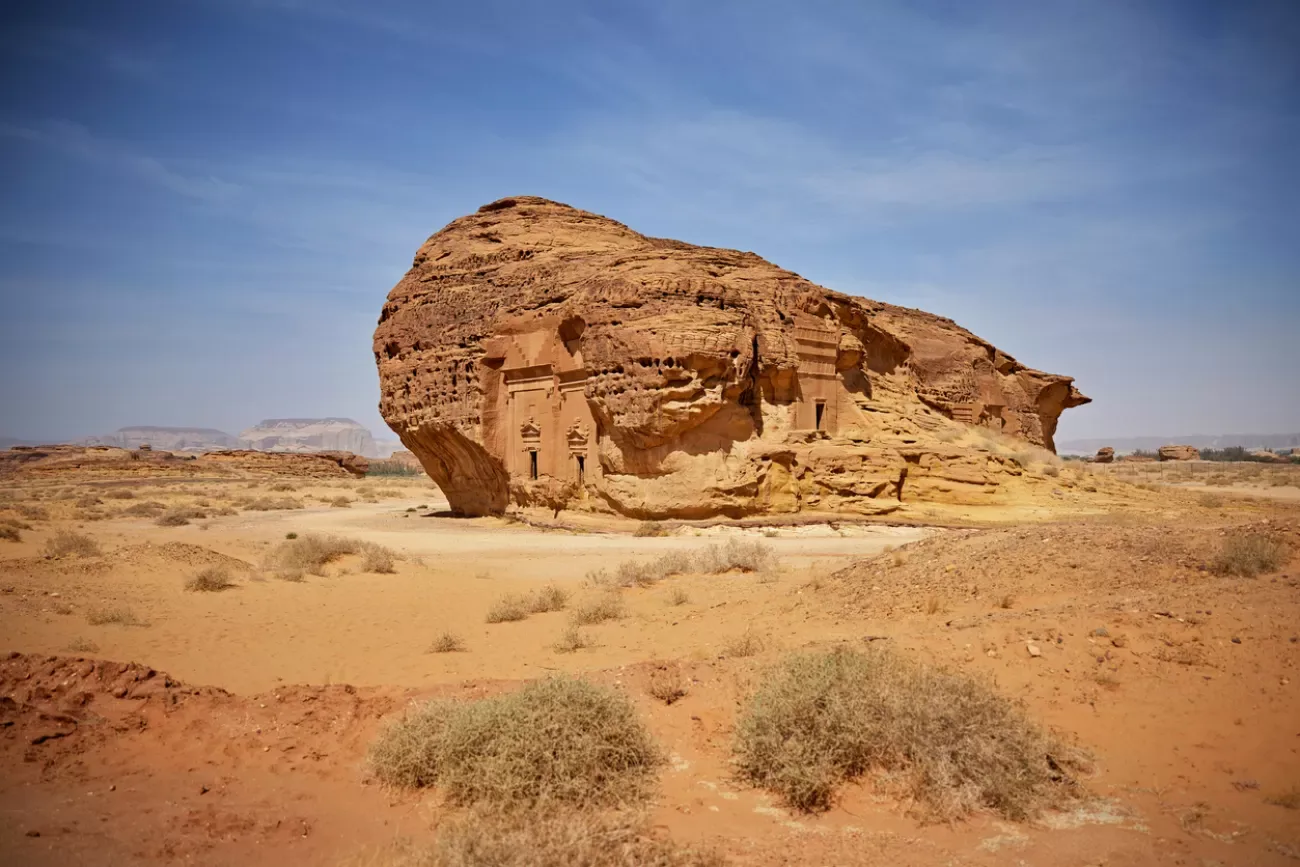
Imagine standing before towering cliffs the color of rust and fire, their surfaces carved with the elaborate tombs of an ancient civilization. That's Jabal Al-Ahmar—literally "Red Mountain" in Arabic—one of AlUla's most breathtaking archaeological sites.
Located in northwestern Saudi Arabia within the Hegra (Madain Saleh) UNESCO World Heritage Site, Jabal Al-Ahmar contains 18 intricately carved Nabataean tombs dating back over 2,000 years. The mountain's distinctive red sandstone formations create a dramatic backdrop for these ancient monuments, making it essential viewing for anyone visiting AlUla.
Quick Facts About Jabal Al-Ahmar
- Location: AlUla Governorate, northwestern Saudi Arabia (Hegra archaeological site)
- Significance: 18 Nabataean tombs carved into red sandstone cliffs
- Age: Over 2,000 years old (1st century BCE - 2nd century CE)
- UNESCO Status: Part of Al-Hijr/Hegra World Heritage Site (designated 2008)
- Alternative Names: Red Mountain, Jabal Ahmar
- Civilization: Nabataean Kingdom
- Best Time to Visit: October - April
- Entry Fee: Included with Hegra site ticket (~95 SAR)
The History Behind Jabal Al-Ahmar: Where Ancient Arabia Comes Alive
The Nabataean Legacy
Jabal Al-Ahmar stands as a monument to the Nabataean civilization—the same ingenious people who built Petra in Jordan. Between the 1st century BCE and 2nd century CE, the Nabataeans controlled vital trade routes across the Arabian Peninsula, amassing wealth that funded their remarkable architectural achievements.
The site is renowned for its collection of 18 intricately carved tombs, which serve as enduring monuments to the Nabataean people's architectural prowess and artistic sensibilities memphistours. These weren't simply burial chambers; they were statements of power, wealth, and devotion to ensuring safe passage to the afterlife.
Why "Red Mountain"?
The mountain's name comes from its distinctive red rock formations, which are primarily composed of sandstone with vibrant hues resulting from iron oxide deposits memphistours. As sunlight shifts throughout the day, the cliffs transform from deep crimson at sunrise to blazing orange at sunset, a photographer's dream.
Archaeological Discoveries That Changed Everything
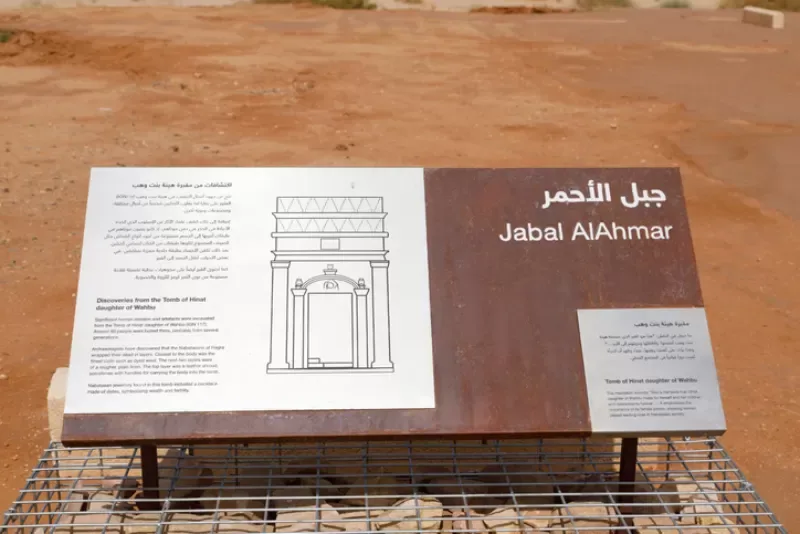
Recent excavations at Jabal Al-Ahmar have revealed remains including a 2,000-year-old Nabataean woman named Hinat, providing invaluable insights into the burial practices and societal structures of this ancient civilization memphistours.
These discoveries revealed:
- Burial practices: How elite Nabataeans prepared for the afterlife
- Social hierarchy: The relationship between tomb size and social status
- Trade connections: Artifacts showing links to Egypt, Rome, and the Far East
- Religious beliefs: Iconography revealing Nabataean spiritual practices
The 18 Tombs of Jabal Al-Ahmar: Ancient Architecture Carved in Stone
What Makes These Tombs Special
Unlike other tomb sites at Hegra, Jabal Al-Ahmar contains some of the earliest Nabataean inscriptions found anywhere, making it invaluable for understanding the evolution of Nabataean culture.
Key architectural features:
Facade Design
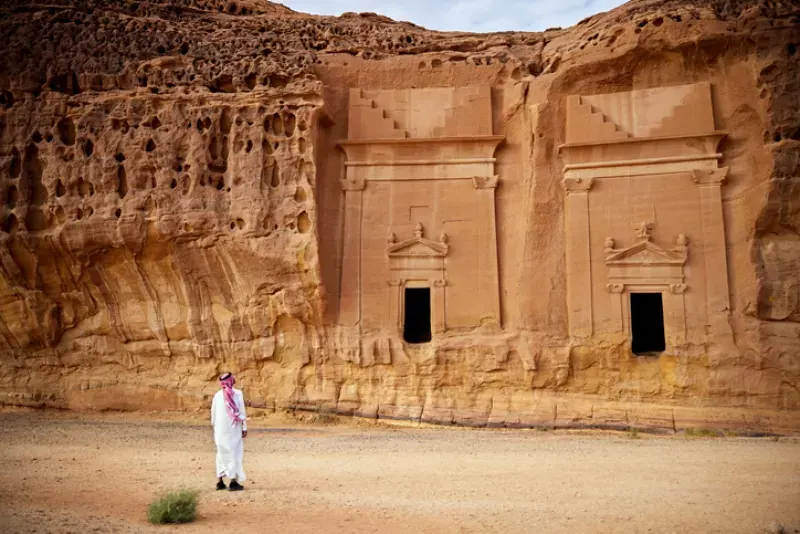
- Harmonious mix of Hellenistic and indigenous architectural styles featuring intricate carvings, columns, and cornices,
- Stepped crown motifs similar to those at Petra
- False doors symbolizing passage to the afterlife
- Decorative pilasters with elaborate capitals
Inscriptions & Carvings
- Nabataean script identifying tomb owners
- Religious symbols and motifs
- Dates of construction
- Names of architects and stone carvers
Preservation Quality: The tombs at Jabal Al-Ahmar benefit from the dry desert climate, with many facades remaining remarkably intact after two millennia.
The Top-Down Carving Technique
Like other Nabataean monuments, these tombs were carved from the top down—a technique that prevented falling debris from damaging completed work and demonstrated exceptional engineering skill.
Geology of Jabal Al-Ahmar: Understanding the Red Mountain
Why Is It So Red?
The vibrant hues are a result of iron oxide deposits, giving the mountain its striking appearance. Over millions of years, oxidation processes transformed the sandstone, creating the spectacular color palette visible today.
Geological composition:
- Primary rock: Sandstone formed from ancient dune systems
- Iron oxide content: Creates red, orange, and pink coloration
- Age: Approximately 200-300 million years old
- Formation: Wind and water erosion shaped current structures
Mountain Structure
The mountain is divided into two main massifs, each featuring unique geological characteristics with steep slopes and rugged terrain. This creates natural protection for the tombs while providing dramatic viewing angles.
Visiting Jabal Al-Ahmar: Complete Travel Guide
How to Get to Jabal Al-Ahmar
From AlUla Town:
- Distance: Approximately 20 km northeast
- Drive time: 25-30 minutes
- Access: Via Hegra archaeological site entrance
From Major Cities:
- From Riyadh: 1,100 km (fly to AlUla Airport)
- From Jeddah: 680 km (fly or drive)
- From Medina: 380 km (4-hour drive)
Transportation Options:
- Rental car: Most flexible option
- Hegra site shuttle: Included with site ticket
- Organized tour: Recommended for first-time visitors
- Private driver: Can be arranged through hotels
Important: You cannot drive directly to Jabal Al-Ahmar. All visitors must enter through the official Hegra Welcome Center and use designated transport.
Entry Requirements & Tickets
Hegra Site Pass (includes Jabal Al-Ahmar):
- Price: Approximately 95 SAR (~$25 USD) for adults
- Purchase: Hegra Welcome Center or online via experiencealula.com
- Validity: Full day access to all Hegra monuments
- Guided tours: Mandatory; independent exploration not permitted
Saudi eVisa:
- Required for international tourists
- Available online for citizens of 49+ countries
- Valid for multiple entries over one year
- Cost: Approximately $120-150 USD
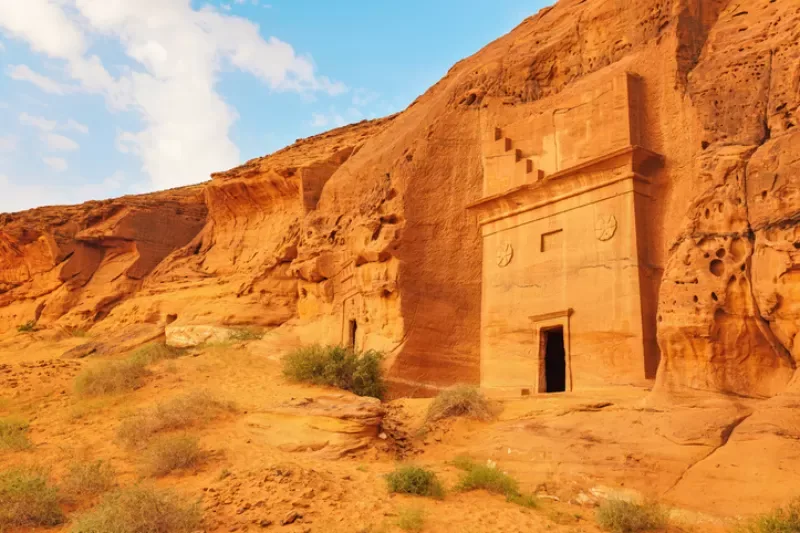
The mountain presents steep slopes and rugged terrain, but climbing is restricted to protect both visitors and the archaeological sites. Designated viewing areas provide excellent perspectives.
Both showcase Nabataean architecture, but Jabal Al-Ahmar features earlier inscriptions and a more intimate experience with fewer crowds. Petra is larger and more developed; Jabal Al-Ahmar feels more authentic and undiscovered.
Best Time to Visit Jabal Al-Ahmar
Optimal Season: October - April
- The ideal time to explore Jabal Al-Ahmar is during the cooler months, from October to April, when daytime temperatures are more manageable
- Temperature range: 15-25°C (59-77°F)
- Clear skies perfect for photography
- Comfortable for hiking and exploration
Seasonal Highlights:
- March-April (Spring): Wildflowers add color to the landscape
- November-February (Winter): Coolest temperatures, peak tourist season
- December-February: Coincides with Winter at Tantora festival
Times to Avoid:
- May-September (Summer): Temperatures exceed 40°C (104°F)
- Midday any season: Harsh light and heat
Best Time of Day:
- Early morning or late afternoon visits are recommended to witness stunning sunrise or sunset, which casts a warm glow over the red rocks
- Sunrise (6:00-7:00 AM): Soft golden light on red cliffs
- Sunset (4:30-5:30 PM): Dramatic orange-red glow
- Midday: Harsh shadows but fewer crowds
What to Expect During Your Visit
Tour Duration: 45-60 minutes at Jabal Al-Ahmar specifically; 3-4 hours for entire Hegra site
Physical Requirements:
- Moderate walking on uneven terrain
- Some climbing for better viewing angles
- Not wheelchair accessible at tomb areas
- Suitable for most fitness levels
What You'll See:
- 18 elaborately carved tomb facades
- Nabataean inscriptions and artwork
- Stunning red sandstone formations
- Desert landscape and mountain views
- Other Hegra monuments (included in site ticket)
Essential Packing List
Must-Bring Items:
- Sturdy hiking boots for rocky and uneven terrain
- Sun protection including hats, sunscreen, and plenty of water
- Camera gear to capture every angle
- Sunglasses with UV protection
- Light, breathable, modest clothing
- Portable phone charger
- Small backpack
Optional but Recommended:
- Wide-angle lens for facades
- Tripod for low-light photography
- Binoculars for inscription details
- Guidebook or downloaded information
Yes, though supervise children carefully around uneven terrain. The 45-60 minute visit length is manageable for most kids, especially if framed as a "treasure hunt" for ancient carvings.
Guided tours are mandatory for all Hegra sites, including Jabal Al-Ahmar. This ensures visitor safety and site protection while providing expert historical context.
Photography Tips for Jabal Al-Ahmar
Best Shots to Capture
- Tomb Facades: Focus on intricate carvings and architectural details
- Wide Landscape: Red cliffs against blue sky
- Close-ups: Nabataean inscriptions and decorative elements
- Perspective Shots: People for scale against massive facades
- Lighting Studies: Same tomb at different times of day
Camera Settings
- Golden Hour: ISO 100-400, f/8-11, slower shutter speeds
- Midday: ISO 100-200, f/11-16, fast shutter to handle bright light
- HDR: Recommended for high contrast between shadows and bright rock
- Panorama Mode: Capture the full sweep of the mountain
Professional Tip: The red rocks can fool your camera's light meter. Slightly underexpose (-0.3 to -0.7 EV) to preserve detail in the bright areas.
The Cultural Context: Understanding Nabataean Life
Who Were the Nabataeans?
The Nabataeans started as nomadic traders but evolved into master architects, engineers, and artists. They were skilled traders adept at managing water resources, which allowed them to flourish in the desert climate of the Hejaz region.
Key achievements:
- Hydraulic engineering: Dams, cisterns, and aqueducts
- Trade monopoly: Controlled frankincense and myrrh routes
- Architectural innovation: Rock-cut facades blending multiple styles
- Economic power: Wealth rivaling ancient Rome
Burial Practices & Beliefs
The tombs at Jabal Al-Ahmar reveal Nabataean beliefs about death and the afterlife:
- Tomb size = social status: Larger, more elaborate tombs for elite
- False doors: Symbolic passage between worlds
- Feasting halls: Areas for memorial ceremonies
- Grave goods: Items to accompany the deceased to the afterlife
AlUla Beyond Jabal Al-Ahmar: What Else to See
Must-Visit Sites Near Jabal Al-Ahmar
Within Hegra Archaeological Site:
- Qasr Al-Farid (Lonely Castle): The iconic 72-foot standalone tomb
- Qasr Al-Bint: 29 tombs with earliest dated inscription (31 BCE)
- Jabal Ithlib: Sacred mountain with religious sanctuaries
- Diwan: Ceremonial triclinium carved into rock
- Al-Khuraymat: 53 tombs showing middle-class burial styles
Other AlUla Highlights:
- Elephant Rock (Jabal AlFil): Natural sandstone formation
- Dadan Archaeological Site: Ancient Kingdom of Dadan ruins
- Old Town AlUla: 12th-century mud-brick village
- Maraya Concert Hall: World's largest mirrored structure
- Harrat Viewpoint: Panoramic valley views
Recommended AlUla Itinerary
Day 1:
- Morning: Hegra site (including Jabal Al-Ahmar, Qasr Al-Farid)
- Afternoon: Elephant Rock for sunset
Day 2:
- Morning: Dadan archaeological site
- Afternoon: Old Town AlUla exploration
- Evening: Maraya or Harrat Viewpoint
Day 3:
- Desert activities (hiking, rock climbing, hot air balloon)
- Cultural experiences (local workshops, dining)
Sustainable Tourism at Jabal Al-Ahmar
Preservation Efforts
As interest in Jabal Al-Ahmar continues to grow, the importance of preserving this cultural heritage becomes increasingly critical through sustainable tourism practices.
Conservation measures:
- Visitor capacity limits to prevent erosion
- Designated pathways to protect sensitive areas
- 3D scanning and digital archiving of tombs
- Environmental monitoring systems
- Restoration using traditional materials
How to Visit Responsibly
Do:
- Stay on marked paths
- Follow guide instructions
- Take only photographs
- Respect barriers and signs
- Support local businesses
Don't:
- Touch carved surfaces (oils damage stone)
- Climb on tombs or structures
- Litter or leave anything behind
- Use drones without permits
- Remove any artifacts
Practical Information & Travel Tips
Where to Stay Near Jabal Al-Ahmar
AlUla Town (20 km from site):
- Luxury: Banyan Tree AlUla, Habitas AlUla
- Mid-range: Shaden Resort, Sahary AlUla Resort
- Budget: AlUla Hotels, local guesthouses
Booking Tips:
- Book 3-6 months ahead for peak season (November-February)
- Many properties offer Hegra tour packages
- Consider hotels with shuttle services
Dining Options
Near Hegra:
- Hegra Visitor Center café (limited menu)
- Pack picnic lunch for day visits
In AlUla Town:
- Traditional Saudi restaurants
- International cuisine options
- Hotel restaurants (often best quality)
Local Customs & Etiquette
Dress Code:
- Modest clothing covering shoulders and knees
- Women: Abaya not required for tourists but respectful dress appreciated
- Men: Long pants recommended
Cultural Sensitivity:
- Ask permission before photographing people
- Respect prayer times
- Use right hand for greetings and exchanges
- Remove shoes when entering homes
Final Thoughts: Jabal Al-Ahmar Awaits
Standing before the red cliffs of Jabal Al-Ahmar, looking up at tombs carved by hands over 2,000 years ago, you'll understand why this place captivates everyone who visits.
Whether you are a history enthusiast, a nature lover, or simply seeking an unforgettable travel experience, the journey to Jabal Al-Ahmar promises to be an amazing adventure filled with discovery and enlightenment memphistours.
Saudi Arabia's tourism transformation means you can experience these wonders right now— before the masses arrive. In five years, Jabal Al-Ahmar might be as crowded as Petra. In ten years, you might need to book months in advance.
But today? You can still walk among ancient tombs with space to breathe, contemplate, and truly connect with history.
The Red Mountain is calling. Will you answer?
Ready to explore Jabal Al-Ahmar and AlUla's ancient wonders? Contact experienced Saudi Arabia tour operators to design your perfect adventure through this UNESCO World Heritage treasure.
Tours are available in Arabic and English. Other languages may be available during peak season with advance booking.
No. Touching damages the 2,000-year-old carvings through oil transfer from skin. Admire from designated viewing distances only.
Restrooms and basic refreshments are available at Hegra Welcome Center. No facilities directly at Jabal Al-Ahmar; plan accordingly.
Customize Your Dream Vacation!
Get in touch with our local experts for an unforgettable journey.
Plan Your Trip
Rijal Almaa, Saudi Arabia's 900-year-old "gingerbread village" in the Asir mountains, boasts unique stone architecture, Al-Qatt art, and the vibrant "Flower Men." This UNESCO-nominated site offers a deep dive into Arabian heritage.

Abha City, Saudi Arabia's "Bride of the Mountain," is a high-altitude oasis in the Asir Mountains featuring a mild climate, lush landscapes, and rich culture. Explore historic sites, natural parks, and unique local experiences in a Abha.
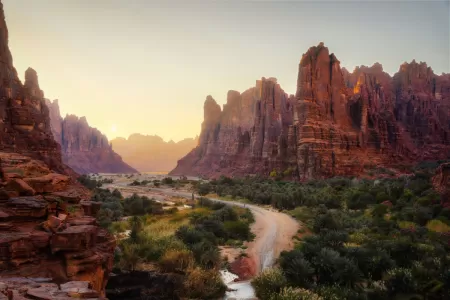
Tabuk City, Saudi Arabia, blends ancient history with a futuristic vision. Explore its historic sites, green spaces, Red Sea access, and the groundbreaking NEOM project.
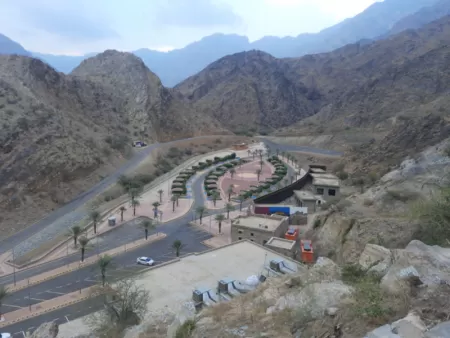
Al Baha, Saudi Arabia's "Garden of the Hijaz," is a mountainous oasis with a mild climate, lush forests, and rich cultural heritage, featuring ancient villages, vibrant festivals, and stunning natural attractions.

Taif, Saudi Arabia's "City of Roses" and summer capital, offers a refreshing mountain escape. Explore its rose farms, historic sites like Souq Okaz, vibrant culture, and stunning natural landscapes.

The Nabataeans in Saudi Arabia excelled at desert water management, using wells, cisterns, and aqueducts, techniques that are still relevant today.
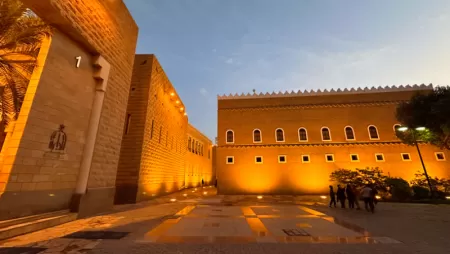
Explore Murabba Palace in Riyadh, a historic royal residence highlighting traditional Saudi architecture and the Kingdom's early history.

Explore the National Museum Riyadh and journey through the Kingdom's fascinating history and culture.
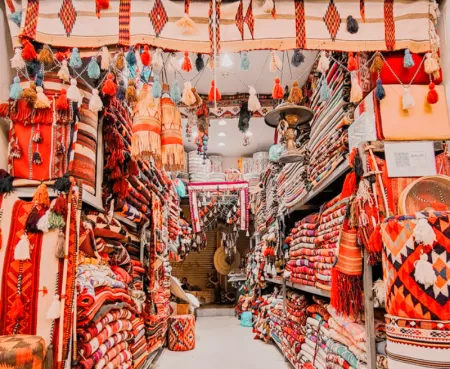
Wander through Deira Souq Saudi Arabia; the Gold Souk, Riyadh, Saudi Arabia, a lively traditional market in central Riyadh. Find gold, traditional clothes, unique crafts, and antiques.

Visit the historic Al Masmak Fort in Riyadh, a key site on Saudi Arabia Tours. Explore this iconic fortress and museum in Riyadh.
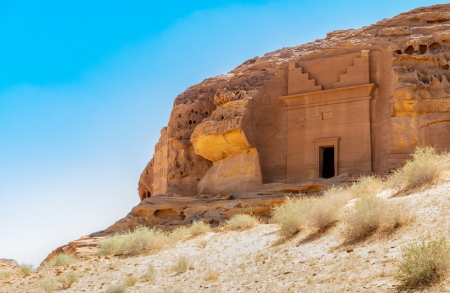
Dadan is a pre-Islamic archaeological site in AlUla, Saudi Arabia, known for its rock-cut tombs and ancient inscriptions from the Dadanite and Lihyanite civilizations.
Whether you're a local or a visitor, Kingdom Center promises an unforgettable experience that showcases the best of Saudi Arabian hospitality and opulence. Plan your visit today and indulge in a world of elegance and charm.
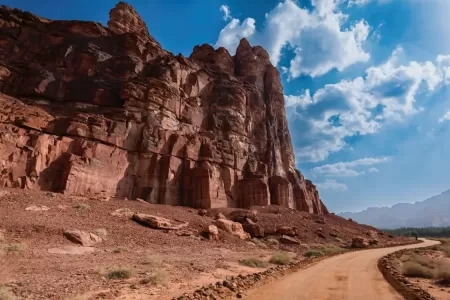
A striking volcanic lava field in northwestern Saudi Arabia, Harrat Uwayrid is known for its dark basalt rocks and unique desert ecosystem.

In Jeddah City, heritage whispers through ancient streets, while beautiful shiny towers and seaside picnics celebrate the city’s vibrant, modern spirit.
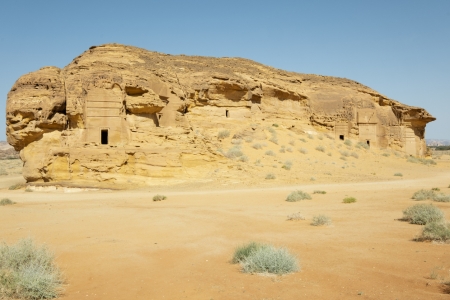
Al Diwan Tombs at Madain Saleh are ancient Nabataean rock-cut structures used for ceremonial purposes, carved into sandstone cliffs.
Explore the Top Things to Do in Riyadh, modern landmarks, and cultural attractions in Saudi Arabia’s capital.
Jeddah Open Museum brings culture, history, and art to life. Experience the world’s largest open-air gallery!
Discover Dadan and Jabal Ikmah in AlUla—ancient archaeological sites with rock tombs and inscriptions from early Arabian civilizations.

Experience AlUla’s ancient tombs, desert landscapes, and historic wonders on unforgettable tours.
Al Tayebat Museum is a cultural masterpiece Dive deep into Islamic art, relics, and architecture. make it the crown jewel of your Saudi Arabia Tours!
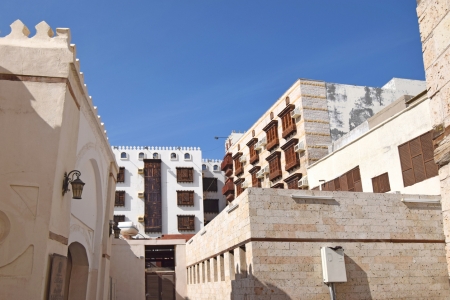
Discover the elegance of Islamic wall art and experience the vibrant Islamic Biennale in Jeddah.
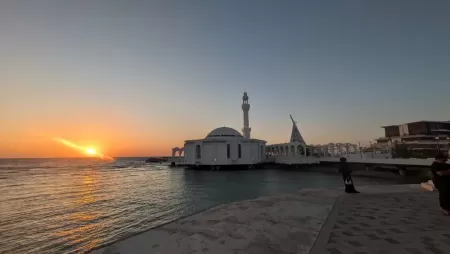
Masjid Al Rahmah offers peace, views & memories. Discover the spiritual charm of it and begin an unforgettable Saudi trip
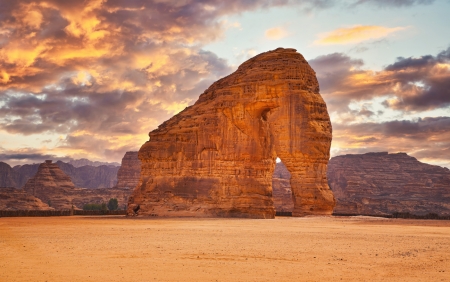
Elephant Rock in AlUla is a stunning natural sandstone formation shaped like an elephant, offering scenic views and a must-see stop on any Saudi Arabia tour.

Discover Medina’s sacred mosques, historic landmarks, and vibrant markets for a meaningful journey.
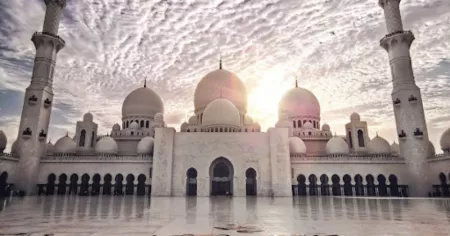
Explore Masjid Quba, the first mosque in Islam, in Madinah, Saudi Arabia. It's a significant stop on many tours for its historical and spiritual importance and unique architecture.

Discover Jabal Al-Banat in Al Ula, Saudi Arabia. This site features 29 stunning Nabataean tombs and intricate carvings—an essential highlight of Saudi Arabia tours.
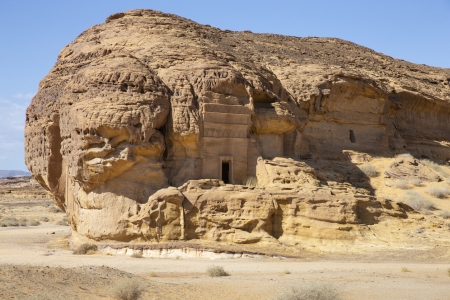
The Lion Tombs of Dadan are ancient rock-cut tombs in AlUla, Saudi Arabia, featuring lion carvings that symbolized power and protection in the Dadanite culture
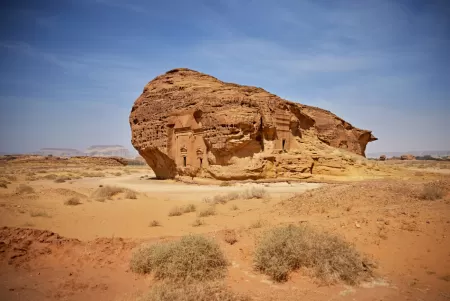
Jabal Al-Ahmar (Red Mountain) in AlUla, Saudi Arabia features 18 spectacular Nabataean tombs over 2,000 years old carved into striking red sandstone cliffs at the UNESCO Hegra site.
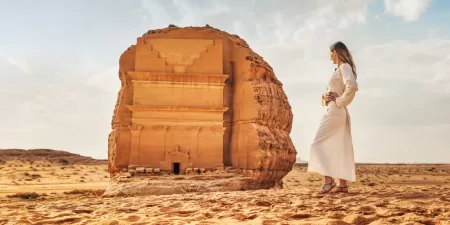
Qasr Al-Farid is a 72-foot-tall Nabataean tomb carved from sandstone in Madain Saleh, Saudi Arabia, the largest monument at this UNESCO World Heritage site.