
 Home
Home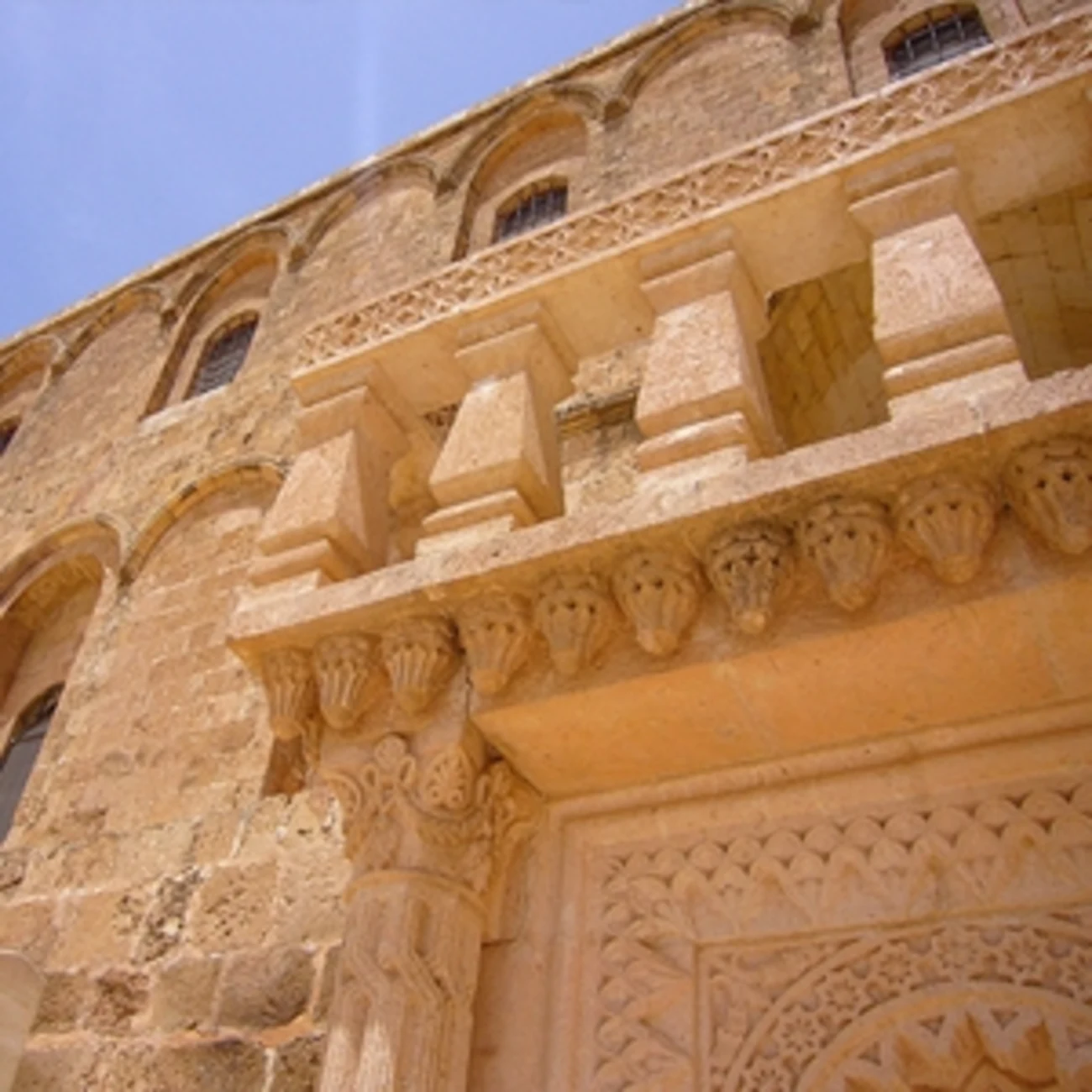
Rated 4.6 out of 5 bubbles based on 718 reviews, Deyrulzafaran Monastery Mardin stands as a testament to centuries of religious devotion and architectural brilliance. Originally founded in the 5th century, this extraordinary sacred site continues to serve as a center of learning and worship for the Syriac Orthodox Church.
The Deyrulzafaran Monastery, also known as Mor Hananyo Monastery, sits approximately 5 km from Mardin on what was once an ancient temple dedicated to the Mesopotamian sun god Shamash. From 1160 to 1932, this remarkable complex served as the official seat of the Syriac Orthodox Church's Patriarchs, highlighting its profound importance in Christian history. Additionally, the monastery features 365 rooms, one for each day of the year, within its sprawling grounds.
Throughout this article, you will discover the fascinating layers of history embedded within these ancient walls. From the main chapel housing a 300-year-old Bible and a 1000-year-old baptismal font to the 1600-year-old mosaic floor that has withstood the test of time. Whether you're planning a visit or simply curious about this historical treasure, this guide will walk you through everything you need to know about one of Mardin's most significant cultural landmarks.
Arriving at the Monastery: First Impressions
The journey to Deyrulzafaran Monastery Mardin begins with a picturesque drive through the rugged landscape of southeastern Turkey. Nestled in the rocky hills approximately 6km east of Mardin, this ancient sanctuary awaits those willing to venture beyond the city limits.
The scenic route from Mardin
Making your way to this sacred site offers several transportation options. While taxis provide the most convenient method, some adventurous travelers choose to walk the winding path from Mardin's old town. The narrow but well-maintained road snakes through the Tur Abdin hills, rewarding you with breathtaking vistas of the vast Mesopotamian plains stretching into the distance. As you approach, the monastery's golden stone façade emerges from the landscape, explaining its nickname "The Saffron Monastery" – its sun-drenched walls glowing warmly against the rugged terrain.
Welcomed with saffron tea
Upon arrival, one of the most delightful surprises awaits. Before your tour begins, you're invited to rest on the sun-kissed terrace where monastery staff serve glasses of fragrant saffron tea. This thoughtful tradition creates a perfect introduction to a place whose very name – Deyrulzafaran – means "Monastery of Saffron." The sweet, aromatic beverage offers a moment of tranquility after your journey, allowing you to absorb the serene atmosphere while gazing across the ancient grounds.
Waiting for the guided tour
After paying the entrance fee, which ranges from 50 to 100 Turkish Liras depending on when you visit, you'll join other visitors waiting for the next guided tour. Indeed, exploring independently isn't an option here – all visitors must join organized groups led by knowledgeable guides. Tours typically begin every half hour, giving you time to appreciate the exterior architecture and stunning surroundings.
During peak times, you might find yourself waiting alongside Turkish families, international tourists, and Syriac Christians who have journeyed from around the world to visit this significant religious site. Some guides are multilingual Assyrian residents of the monastery, occasionally translating from Turkish to English to accommodate international visitors. This waiting period builds anticipation for the historical and spiritual journey that awaits once you step through the arched entrance into centuries of living history.
Exploring the Sacred Spaces
Once inside the monastery's walls, you'll discover a series of sacred chambers, each bearing witness to centuries of devotion and worship.
Virgin Mary Church and baptism rituals
The Virgin Mary Church, situated in the northeast corner of the main courtyard, stands as the oldest structure in Deyrulzafaran Monastery, Mardin, dating back to the 6th century. This 153-square-meter sanctuary features magnificent Byzantine-era mosaics adorning its apse. The ceilings and walls, partially constructed of baked bricks in the Byzantine style, create an atmosphere of ancient reverence.
Three wooden doors crafted in 1699 display verses from the Psalms of David written in Syriac. Though mostly used once annually, this intimate chapel serves a vital purpose - housing an octagonal baptismal font where children undergo the sacred ritual of baptism. Furthermore, this space contains the monastery's famous printing press, which arrived from England via Aleppo around 1874 and was used to print documents in Syriac, Arabic, and Turkish.
The Domed Church and its lone fresco
The main sanctuary, Mor Hananyo Church or "Domed Church," was constructed between 491-518 AD during Byzantine Emperor Anastasius' reign by two Syriac brothers, Theodosius and Theodore. With dimensions of 12.3 meters wide and 17.7 meters high, covering 271 square meters, its cross-shaped interior once displayed numerous biblical frescoes.
Yet today, only a single fresco remains - a tall, thin depiction of Saint Hananyo, who renovated the monastery in 793 AD. Despite this singular surviving artwork, the church retains its architectural splendor, including wooden service platforms dating from 1699.
House of Saints and patriarch tombs
Adjacent to the Domed Church lies the Beth Kadişe (House of Saints), a solemn 10.5-meter-high chamber dating to the monastery's 5th-century foundation. This sacred space houses the remains of numerous saints alongside 53 patriarchs and metropolitans who served the monastery.
The last patriarch entombed here, Moran Mor Ignatius Peter IV, died on October 8, 1894. Intricate stone carvings throughout the chamber include grape clusters emerging from vases, seashell motifs, and a distinctive cross surrounded by dolphins above the entrance. Together, these elements create a profound connection to the monastery's illustrious past.
Customize Your Dream Vacation!
Get in touch with our local experts for an unforgettable journey.
Plan Your Trip
Uncovering Ancient Layers of History
Beneath the visible splendor of Deyrulzafaran Monastery Mardin lies a fascinating chronology spanning millennia, revealing layers of civilization that predate Christianity itself.
The Assyrian Sun Temple beneath the chapel
Delving into the monastery's foundations, you'll discover an extraordinary 4500-year-old temple originally dedicated to the Mesopotamian sun god Shamash. This ancient sanctuary remains visible in the monastery's basement, consisting of two distinct rooms. The smaller chamber features stone vaults, whereas the larger space showcases a remarkable ceiling constructed from massive stones weighing between 500 kg and 1 ton, ingeniously bound together without mortar.
Every morning, the first rays of sunlight enter through a small opening in the eastern wall, continuing an ancient tradition that once signaled animal sacrifices to honor the sun deity. Remarkably, the monastery's 365 rooms symbolically represent each day of Earth's annual journey around the sun, honoring its origins as a solar temple.
Roman citadel transformation
Following its time as a sun temple, the Romans converted the structure into a fortified citadel. This strategic transformation occurred during Roman occupation of the region, consequently altering the building's purpose from religious to military. After the Romans withdrew from the area, Mor Shlemon repurposed the abandoned fortress, transforming it into a monastery in 493 AD. He consecrated the space by bringing the remains of various saints, officially establishing its new religious function.
Legacy of Mor Hananyo and the printing press
The monastery underwent significant renovation beginning in 793 AD under Bishop Mor Hananyo, thereafter becoming known as "Mor Hananyo Monastery" in his honor. Although the site experienced periods of abandonment and restoration throughout its history, its most innovative contribution came centuries later through Patriarch Petrus IV, who died in 1895.
In 1874, Petrus IV journeyed to England and acquired a printing press, which arrived at the monastery via Aleppo by 1881. This groundbreaking technology enabled monks to print books in Syriac, Arabic, and Ottoman Turkish. In 1888, they proudly sent their first printed book to Queen Victoria herself. Throughout subsequent decades, this press continued producing books until 1917 and a monthly magazine called "Hikmet" from 1913-1914.
Planning Your Visit to Deyrulzafaran
Preparing for a trip to Deyrulzafaran Monastery Mardin requires some advance planning to ensure a smooth and enjoyable experience. This practical guide will help you make the most of your visit to this ancient spiritual center.
Best times to visit and avoid crowds
Spring (March to May) and autumn (September to November) offer the most pleasant weather for exploring the monastery. During these seasons, temperatures typically range between 15°C to 25°C (59°F to 77°F) in spring and 20°C to 30°C (68°F to 86°F) in autumn. Summer can be extremely hot with temperatures exceeding 35°C (95°F), making outdoor exploration challenging. To avoid crowds, consider visiting on weekdays rather than weekends. This sacred site attracts numerous visitors, particularly during summer months and religious holidays.
Transportation options and tips
Since no public transportation connects Mardin to Deyrulzafaran Monastery, you'll need to arrange private transportation. Your options include:
- Taxi: Available from Mardin's city center, specifically near Cumhuriyet Caddesi. Negotiate a flat rate before departing rather than using the meter.
- Rental car: The monastery has a large parking area. Follow the well-marked route southeast from Mardin on D955, then turn left onto Eski Kale Yolu.
- Walking: Although possible (approximately 6km from Mardin), this isn't recommended as it involves traversing arid terrain.
What to bring and how to prepare
The monastery is open daily with summer hours from 9:00-17:00 and winter hours from 8:00-16:00. Tours operate hourly, and the entrance fee is 100TL as of 2025[70]. Bring cash for the entrance fee and comfortable walking shoes. The monastery café offers delightful saffron tea and cookies – certainly worth trying. Clean restrooms and a small gift shop are available on site.
Cultural etiquette and dress code
Visitors must dress modestly when visiting this active religious site. For women, long skirts or dresses with head coverings are appropriate. Men should avoid shorts and sleeveless shirts. Remember that exploring is only permitted via guided tours. These tours are primarily conducted in Turkish, though some guides may provide English translations. Photography is allowed in most areas, but maintain respectful silence inside the church spaces.
Throughout the centuries, Deyrulzafaran Monastery has stood as a resilient testament to human devotion and architectural ingenuity. This remarkable sanctuary truly embodies the rich tapestry of Mardin's cultural heritage, seamlessly blending ancient sun worship, Roman military history, and Christian spiritual traditions under one roof.
Your journey through this golden-hued complex offers far more than a typical tourist experience. Rather than merely observing history, you become part of its continuing story. The monastery remains an active center of Syriac Christian worship; therefore, your visit supports both historical preservation and a living religious community.
Undoubtedly, the most profound aspect of exploring Deyrulzafaran lies in witnessing how different civilizations have adapted and repurposed this sacred space over millennia. From the 4500-year-old sun temple basement to the 19th-century printing press that once sent books to Queen Victoria, each element tells a chapter in an unbroken narrative spanning human history.
Before planning your trip, remember to check current opening hours and dress requirements. Additionally, allow sufficient time to fully appreciate both the guided tour and peaceful moments sipping saffron tea on the sun-drenched terrace. Though reaching this hidden gem requires some effort, the rewards certainly justify the journey.
Whether you come as a pilgrim, history enthusiast, or curious traveler, Deyrulzafaran Monastery awaits your discovery. This "Saffron Monastery" stands not just as a monument to the past but also as a vibrant connection between ancient traditions and our modern world.
FAQs
Q1. What is the historical significance of Deyrulzafaran Monastery?
Deyrulzafaran Monastery, founded in the 5th century, served as the seat of the Syriac Orthodox Church's Patriarchs from 1160 to 1932. It was built on the site of an ancient Mesopotamian sun temple and later transformed into a Roman citadel before becoming a monastery.
Q2. How can visitors reach Deyrulzafaran Monastery?
The monastery is located about 6km east of Mardin. Visitors can reach it by taxi from Mardin's city center, by renting a car, or by walking (though not recommended due to the terrain). There's no public transportation available to the monastery.
Q3. What are the main attractions within the monastery?
Key attractions include the Virgin Mary Church with its Byzantine mosaics, the Domed Church with its lone fresco of Saint Hananyo, and the House of Saints, containing tombs of patriarchs. The monastery also houses a 4500-year-old sun temple in its basement.
Q4. Are there any specific dress code requirements for visitors?
Yes, visitors are expected to dress modestly. Women should wear long skirts or dresses and cover their heads. Men should avoid shorts and sleeveless shirts. This dress code is in respect of the monastery's status as an active religious site.
Q5. What unique features make Deyrulzafaran Monastery stand out?
The monastery is known for its 365 rooms (one for each day of the year), its historical printing press that once sent books to Queen Victoria, and its saffron tea served to visitors. It also uniquely blends elements from various civilizations, including Mesopotamian, Roman, and Christian traditions.
Discover the magnificent Bursa Grand Mosque, a masterpiece of early Ottoman architecture with its 20 domes and stunning calligraphy—plan your visit today to experience this iconic spiritual landmark!
Explore St. Paul Church in Antalya, a sacred site honoring the Apostle Paul's missionary journeys—book your visit now to discover this hidden gem of early Christian history!
Uncover the mystical Cave of the Seven Sleepers near Ephesus, a sacred site blending Christian and Islamic legends—reserve your tour today to step into this ancient wonder of faith and history!
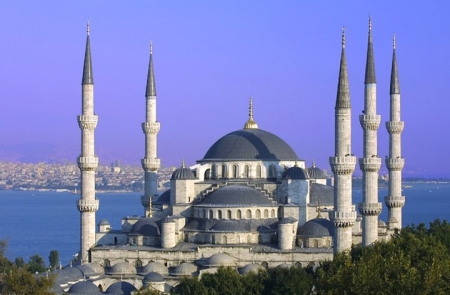
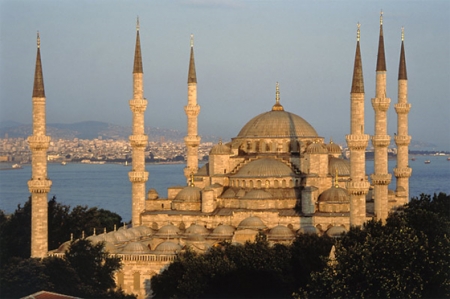
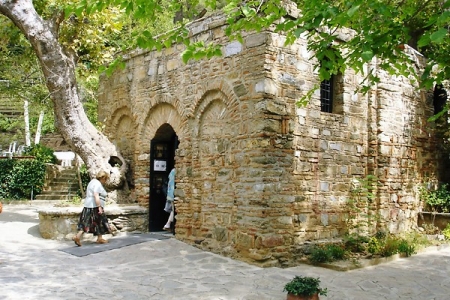
Experience the sacred Church of the Virgin Mary in Ephesus, where the Third Ecumenical Council was held—a spiritual journey to walk through one of Christianity's most revered ancient sites.
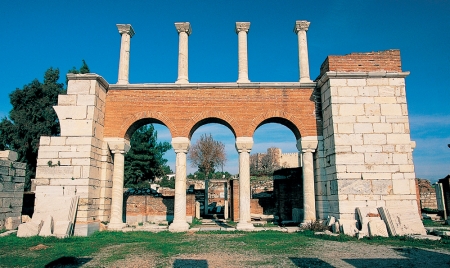
Walk in the footsteps of saints at the Basilica of St. John in Ephesus, a magnificent 6th-century Byzantine marvel overlooking Ephesus – a visit to explore this sacred site where history and spirituality intertwine!
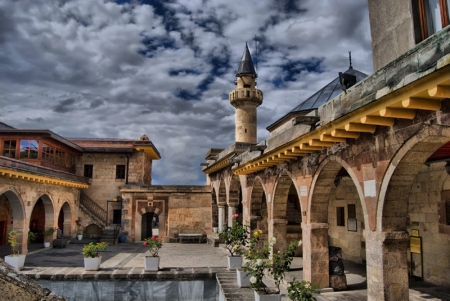
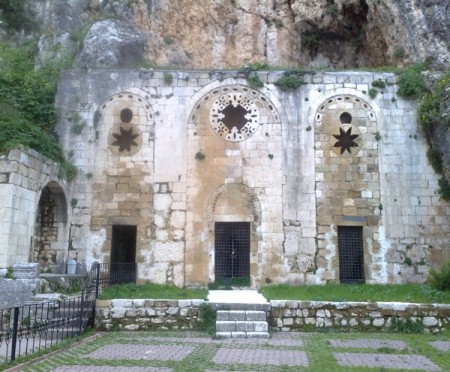
The Church of St. Pierre, located at the foothills of Mt Pilgrimage (Hac Dağı) in Hatay province is one of the most significant centers of Christianity. The cave known as the location where St. Peter had given his first sermon was upgraded and turned into a church after the Romans had adopted Christianity. The church was a harbor to the first Christians and the first pope, St. Peter, and contributed to the spread of Christianity in the world.
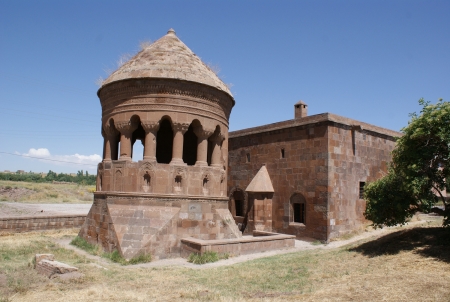
Discover Ahlat Turkey, home to stunning Seljuk-era tombstones and Turkey's largest Islamic cemetery—book your visit now to explore this open-air museum of Anatolian history!
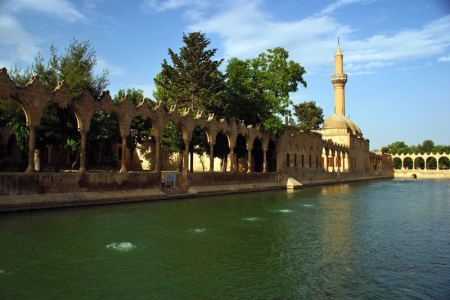
Experience the spiritual grandeur of Şanlıurfa Rizvaniye Mosque, an Ottoman-era masterpiece near the sacred Pool of Abraham— a visit to admire its exquisite architecture and serene atmosphere!

Marvel at the stunning Akdamar Church on Lake Van, a 10th-century Armenian architectural gem with biblical reliefs— experience this unique blend of history, art, and island beauty!
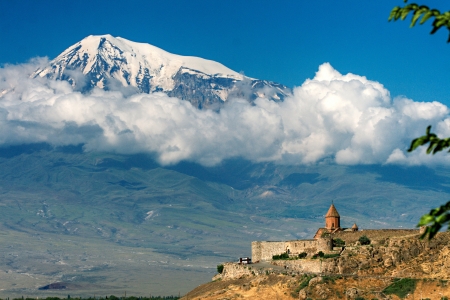
Mount Ararat, mentioned in both the Quran and Old Testament, is believed to be where Noah's Ark came to rest after the Great Flood, which lasted 150 days following 40 days of rain, with land sighted a year later. Read More!
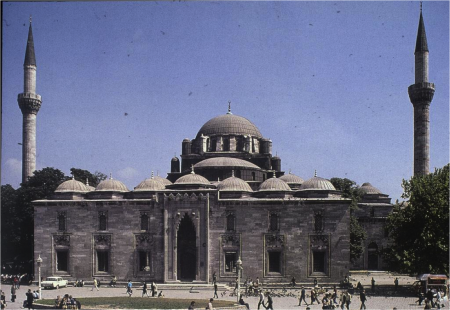
Explore the historic Amasya Sultan Bayezid Mosque Complex, a stunning example of Ottoman architecture nestled in Amasya's scenic valley—a visit to experience its serene courtyards and rich heritage.
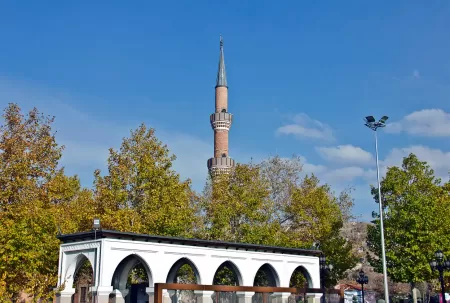
Step into living history at Ankara's Hacı Bayram Veli Complex—a 15th-century Sufi shrine and mosque that pulses with spiritual energy. Book your cultural pilgrimage now!
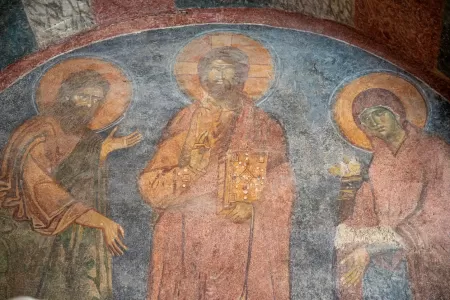
Discover the ancient Church of St. Nicholas in Demre (Myra), Antalya, where the beloved saint served as bishop— explore this sacred pilgrimage site and the origins of the Santa Claus legend!
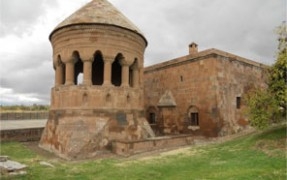
Discover the exquisite craftsmanship of Seljuk-era mausoleums and tombstones, adorned with intricate calligraphy and geometric patterns –a cultural exploration to witness these stunning monuments of medieval Anatolian heritage!
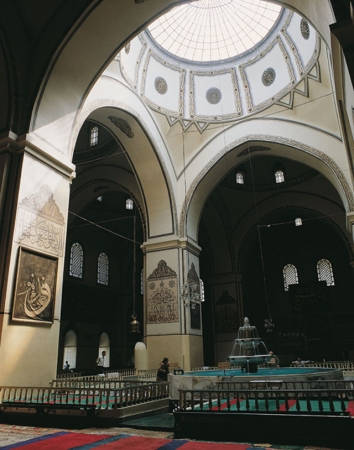
Marvel at Bursa's Green Mosque (Yeşil Cami), a masterpiece of early Ottoman architecture adorned with exquisite turquoise tiles— experience the serene beauty of this 15th-century imperial treasure!
Step into the living history of Anatolian Sufism at the Hacı Bektaş Veli Complex, where 13th-century teachings still resonate – a journey to this landmark of Turkish spiritual heritage now!
Marvel at the iconic Çifte Minareli Medrese in Erzurum, a 13th-century Seljuk masterpiece with twin minarets and intricate stone carvings— explore this architectural gem of Anatolian Islamic heritage!
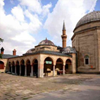
Eskisehir, Turkey's enchanting "Venice of Anatolia," invites you to lose yourself in a vibrant tapestry of Ottoman charm, youthful energy, and soothing thermal springs, where every cobblestone street whispers tales of ancient civilizations and modern dreams!
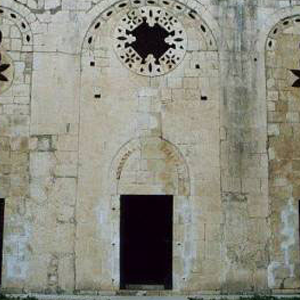
Journey through Hatay, the 'Cradle of Saints', where prophets and martyrs walked—from St. Peter’s Grotto to Habib-i Neccar’s tomb—book your spiritual exploration today to trace 2,000 years of sacred history in Turkey’s interfaith heartland!
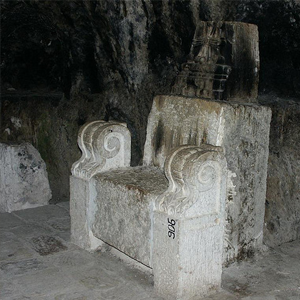
Discover St. Peter’s Grotto, where Christianity took root beside Antioch’s Muslim and Jewish history—plan your visit to Hatay’s living interfaith mosaic today!

Discover the sacred Habib-i Neccar Mosque and Tomb in Hatay, believed to hold the remains of early Christian martyrs mentioned in the Quran—book your visit today to experience this unique interfaith pilgrimage site where Islam and Christianity intertwine!
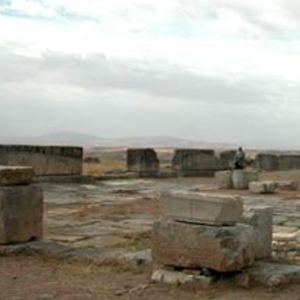
Discover the sacred ruins of Isparta's St. Paul's Basilica, where early Christian history comes alive, and walk in the footsteps of the Apostle Paul in this hidden Anatolian gem!
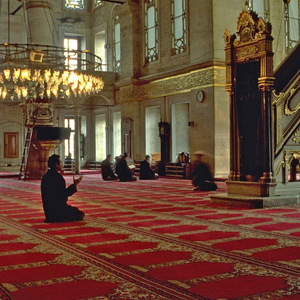
Embark on a sacred journey through Istanbul's interfaith heritage, from the Hagia Sophia to the Blue Mosque and ancient synagogues—book your spiritual tour today to discover where empires and religions converge!
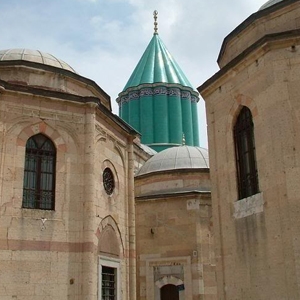
Immerse yourself in spiritual serenity at the Mevlana Museum in Konya, home to Rumi's tomb and the sacred origins of the Whirling Dervishes. Experience the timeless wisdom of the Sufi tradition in Turkey’s most mystical destination!

Immerse yourself in Sufi mysticism at Konya's Mevlana Complex, home to Rumi's tomb and the Whirling Dervishes—book your spiritual journey today to experience the heart of Turkish Sufi tradition!
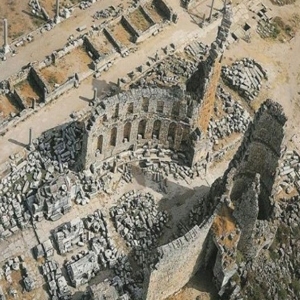
Uncover the ancient city of Sardis in Turkey, one of the largest in antiquity, nestled in the ruins of the legendary Lydian capital—visit today to explore 2,000 years of Jewish heritage in Manisa!
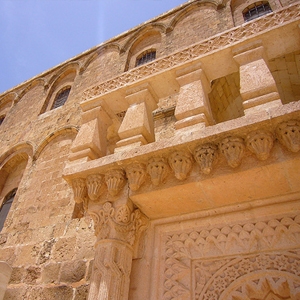
Step into 1,500 years of history at Deyrulzafaran Monastery, Mardin’s golden-hued Syriac Orthodox treasure, and explore its sunlit courtyards and ancient liturgical traditions!
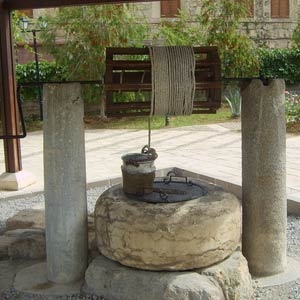
Discover St. Paul’s Church and Well in Tarsus, where the apostle’s legacy comes alive, and see the ancient well where he is said to have drunk—experience this sacred history today!
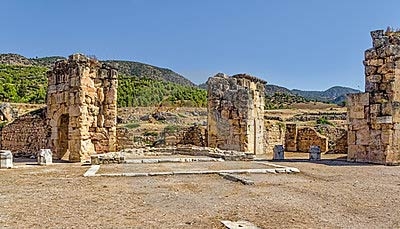
Uncover the sacred ruins of St. Philip’s Martyrium in Hierapolis, where early Christian history meets Pamukkale’s thermal wonders—book your visit today to walk through this 5th-century pilgrimage site atop the ‘Cotton Castle’!
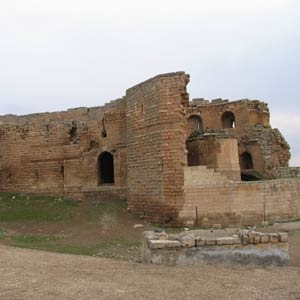
Step into the enchanting world of Sanliurfa-Harran, where ancient beehive houses whisper tales of prophets and stargazers. The timeless landscape of Mesopotamia unfolds like a living tapestry of human history, inviting you to lose yourself in its mystical embrace!

Discover the sacred Tombs of İbrahim Hakkı Erzurumi in Siirt, where 18th-century Islamic wisdom meets breathtaking architecture—plan your spiritual journey today to experience this hidden gem of Anatolian Sufi heritage!
Experience the spiritual legacy of Veysel Karani Complex, a revered Sufi pilgrimage site in Siirt—plan your visit today to connect with its sacred atmosphere and timeless Islamic heritage!
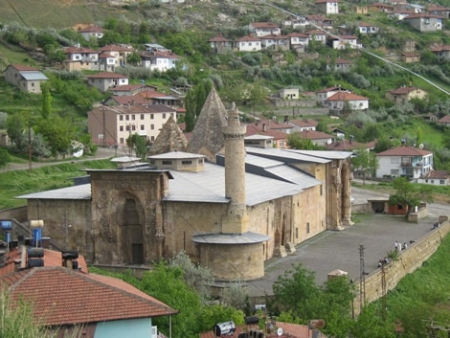
Discover the Sivas Great Mosque and Hospital, a magnificent 12th-century Seljuk complex blending Islamic architecture with medieval healthcare—book your visit now to explore this groundbreaking symbol of Anatolian innovation!
Sumela Monastery: A Byzantine marvel clinging to cliffs, where frescoes whisper ancient prayers and Pontic peaks touch the heavens. Read Now!