
 Home
Home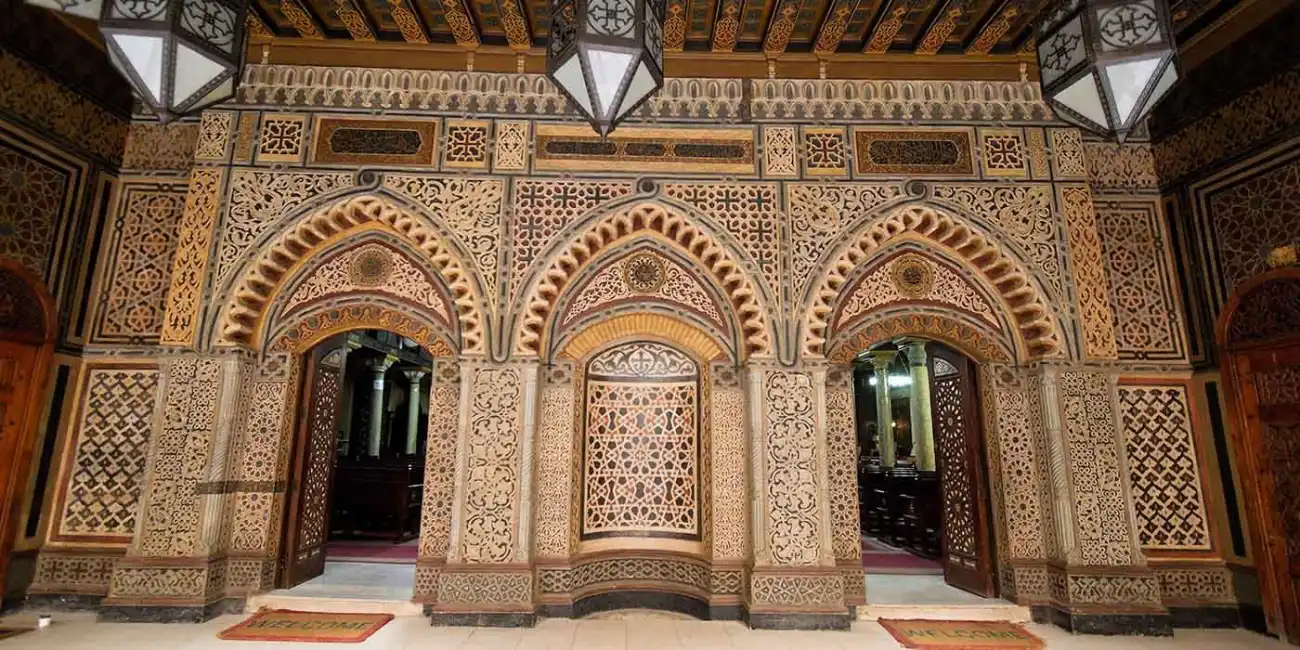
Imagine walking through streets where the Holy Family once sought refuge. Where Roman soldiers guarded fortress walls. Where some of Christianity's oldest communities built magnificent churches that still stand today. Welcome to Old Cairo—officially called Misr Al-Qadima (Ancient Egypt)—Cairo's soul and spiritual heart.
Old Cairo isn't just old—it's ANCIENT. Long before the pyramids became tourist attractions, before Islamic Cairo rose to prominence, this area on the Nile's right bank was already thriving. Today, it's a concentrated treasure trove of Coptic churches, Roman ruins, Jewish heritage, and early Islamic sites all within walking distance.
This is where three of the world's great religions coexist in remarkable harmony. Within minutes, you can visit a 4th-century church, a 9th-century synagogue, and a 7th-century mosque. Old Cairo doesn't just tell Egypt's story—it tells humanity's story of faith, culture, and civilization.
Understanding Old Cairo: Geography and History
Where Exactly is Old Cairo?
Old Cairo (Misr Al-Qadima) occupies a specific area south of modern central Cairo, on the Nile's right bank opposite Roda Island. Think of it as Cairo's original neighborhood—the area that existed BEFORE Cairo was even called Cairo.
Key Landmarks:
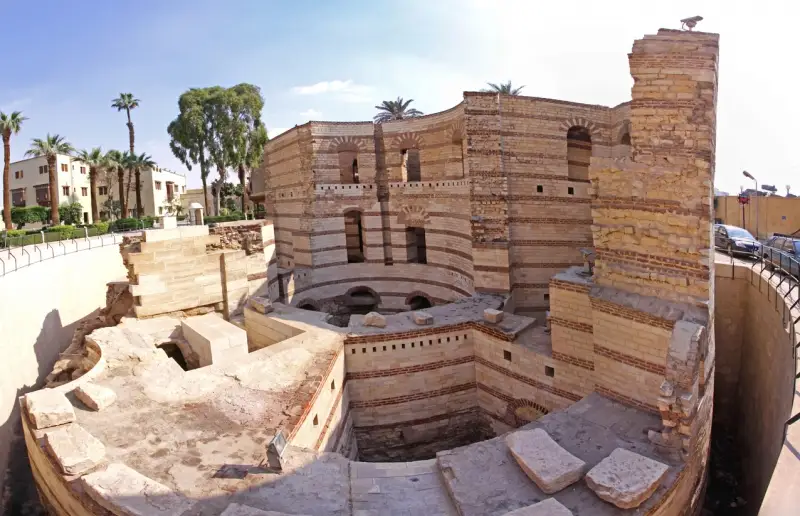
- Babylon Fortress (Roman fortification from ~30 BC)
- Mar Girgis Metro Station (your arrival point)
- Amr ibn al-As Mosque (Egypt's first mosque)
- Coptic Museum (the area's cultural centerpiece)
Why "Old" Cairo? When the Fatimids founded Cairo (Al-Qahira) in 969 AD to the north, this established settlement became "Old Cairo" by comparison. But its history stretches back millennia earlier!
The Layers of History
Roman Period (30 BC - 641 AD): Emperor Augustus established Babylon Fortress here around 30 BC. The fortress protected the vital canal connecting the Nile to the Red Sea—crucial for trade with Rome's eastern territories.
Early Christian Period (1st-7th centuries AD): Christianity arrived early in Egypt via Saint Mark the Evangelist. By the 4th century, Egypt was predominantly Christian. Old Cairo became a major Christian center with numerous churches built within and around Babylon Fortress.
The Holy Family Connection: Christian tradition holds that Joseph, Mary, and baby Jesus fled to Egypt escaping King Herod's persecution. Several Old Cairo sites commemorate their alleged journey.
Islamic Period (641 AD onwards): Arab commander Amr ibn al-As conquered Egypt in 641 AD and established Fustat adjacent to Babylon Fortress as the Islamic capital. This made Old Cairo the meeting point of Christian and Islamic Egypt.

- Located south of central Cairo on Nile's right bank
- Mar Girgis Metro Station (Line 1) exits directly into area
- 15-20 minute taxi from downtown/Tahrir Square
- Opposite Roda Island in Misr Al-Qadima district
- Easy access from anywhere in Cairo
The Babylon Fortress: Rome in Egypt
A Military Stronghold's Story
Built: Around 30 BC under Emperor Augustus Purpose: Protect the Nile-Red Sea canal and control access to Upper Egypt
Much of the fortress is buried under rising ground levels (Cairo's street level has risen 20-30 feet over centuries!). However, impressive remnants survive.
The Twin Towers: Two massive Roman towers greet you arriving at Old Cairo. These cylindrical bastions once anchored the fortress's water gate, allowing boats to enter for loading/unloading.
Why It Matters: Babylon Fortress demonstrates Rome's reach into Egypt. These aren't reconstructions—they're ACTUAL Roman walls from 2,000+ years ago that you can touch!
Interactive Experience: Walk the perimeter trying to trace the fortress's original outline. Notice how churches and buildings incorporate Roman walls. Feel the ancient stones—you're touching what Roman soldiers touched!
Coptic Cairo: The Christian Heart
What "Coptic" Means
"Coptic" comes from the Greek "Aigyptios" (Egyptian) and refers specifically to Egyptian Christians and their unique traditions. Coptic Christianity represents one of Christianity's oldest branches, tracing directly to the Apostolic age.
Key Facts:
- Coptic Church established by Saint Mark in Alexandria (1st century AD)
- Preserved ancient Christian traditions for 2,000 years
- Liturgy still uses Coptic language (descended from ancient Egyptian)
- Today about 10-15% of Egypt's population is Coptic Christian
The Church Collection: Architectural Treasures
The Hanging Church (Al-Muallaqa):
Built atop Babylon Fortress's twin Roman towers, the church appears to "hang" above street level. Dating to 3rd-4th century origins with the current structure from the 9th century, it's one of Egypt's oldest Christian sites.
Architectural Highlights:
Beautiful wooden roof resembling Noah's ark (inverted ship hull)
Intricate ivory and ebony inlay screens
110+ icons, some extremely ancient
Marble pulpit supported by 13 pillars (representing Christ and 12 apostles)
Don't miss the 10th-Century Icon: The Virgin and Child icon with distinctly Egyptian facial features—a powerful reminder of Christianity's African roots!
Church of Saint Sergius (Abu Serga):
This church marks the spot where Joseph, Mary, and baby Jesus allegedly rested during their flight into Egypt. A crypt beneath the altar supposedly shows their exact resting place. While the Holy Family legend can't be historically verified, the church definitely dates to the 5th century.
Why Visit: Even skeptics find the crypt moving. Standing in this ancient space where generations believed the Holy Family rested creates
powerful connection to Christian tradition.
Saint Barbara's Church:
Named for the 3rd-century martyr Saint Barbara, whose relics were moved here from the Hanging Church in 1072 AD. This church offers beautiful icons throughout and a peaceful atmosphere with fewer crowds than other churches. Its location east of Church of Saint Sergius makes it easy to combine all three in one visit.
- Hanging Church (Al-Muallaqa) atop Roman towers
- Church of Saint Sergius (Holy Family site)
- Ben Ezra Synagogue (Cairo Geniza discovery)
- Coptic Museum (world's largest Coptic collection)
- Babylon Fortress (Roman ruins)
- Amr ibn al-As Mosque (Egypt's first mosque)
- Roman military fortress built ~30 BC under Emperor Augustus
- Protected Nile-Red Sea canal and Upper Egypt access
- Massive walls and twin towers still visible
- Churches built atop fortress structures
- Hanging Church literally sits on Roman towers
- Walk on 2,000-year-old Roman engineering!
The Coptic Museum: Essential Stop
Founded: 1910 by Marcus Simaika Pasha
The museum houses the world's largest Coptic Christian art collection, chronicling Egyptian Christianity from Roman times through the Ottoman period.
Must-See Exhibits:
- Textile collection (Coptic weaving mastery)
- Fayum portraits (hauntingly realistic)
- Illuminated manuscripts
- Icons showing Egyptian artistic traditions
- Stone carvings blending pharaonic and Christian symbols
Plan 1.5-2 hours minimum. This museum deserves attention—it's world-class!
Beyond Christianity: Old Cairo's Diversity
Ben Ezra Synagogue: Jewish Heritage
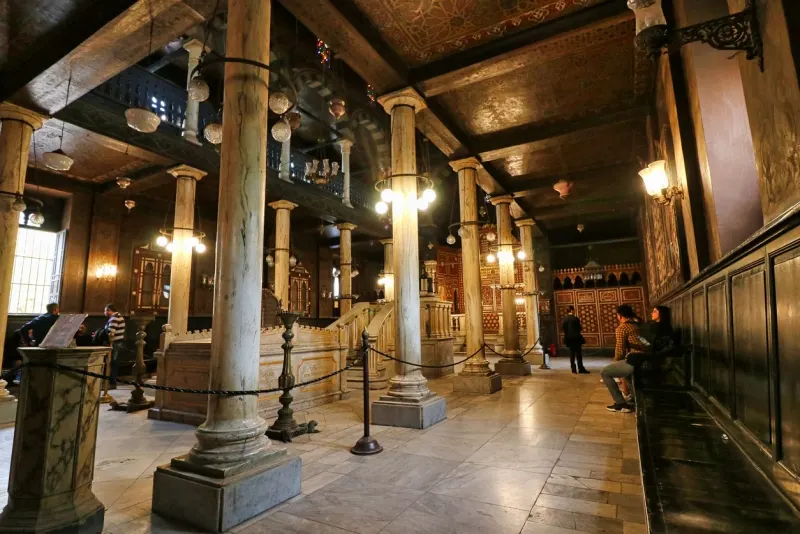
Originally a Coptic church, this building was sold to the Jewish community in the 9th century. The synagogue's storage room yielded 300,000 manuscript fragments—the Cairo Geniza, one of history's most important document discoveries! It represents Egypt's once-thriving Jewish community (now reduced to fewer than 10 people).
Amr ibn al-As Mosque: Islamic Heritage
Egypt's FIRST mosque, built 641-642 AD by the Arab general who conquered Egypt. The mosque marks the beginning of Islamic Egypt and completes the religious circuit—Christian churches, Jewish synagogue, Islamic mosque all within 15 minutes' walk!
Practical Info:
- Large open courtyard with simple architectural style
- Non-Muslims can visit outside prayer times
- Free entry, modest dress required
- 10-minute walk from Coptic area
Planning Your Old Cairo Visit
Getting There
Metro (Easiest Option): Mar Girgis Station (Line 1) exits directly into Old Cairo's heart!
Taxi/Uber: Tell driver "Mar Girgis" or "Coptic Cairo"—about 15-20 minutes from downtown Cairo
From Major Sites:
- Tahrir Square: 15 minutes
- Khan el-Khalili: 20 minutes
- Giza Pyramids: 30-40 minutes
Suggested Itinerary
Half-Day Tour (4 hours):
9:00 AM: Arrive via Metro 9:15 AM: Coptic Museum (1.5 hours) 10:45 AM: Hanging Church (30 minutes) 11:15 AM: Church of Saint Sergius (30 minutes) 11:45 AM: Ben Ezra Synagogue (30 minutes) 12:15 PM: Coffee break in garden café 12:45 PM: Amr ibn al-As Mosque (30 minutes)
Full-Day Tour (6-7 hours): Add Saint Barbara's Church, Saint George's Church, longer museum visit, leisurely lunch, and more time for photography.
Practical Considerations
Dress Code:
- Modest clothing essential (cover shoulders, knees)
- Women need headscarves for churches (usually provided)
- Remove shoes when entering prayer spaces
- Respectful behavior in active worship sites
Entry Fees:
- Coptic Museum: Modest fee
- Ben Ezra Synagogue: Small fee
- Churches: Usually free (donations appreciated)
- Amr ibn al-As Mosque: Free
Best Times:
- Weekday mornings: Quieter, better light
- Avoid Friday mornings: Prayer times, potential closures
- Spring/Fall: Comfortable temperatures
- Winter: Fewer crowds
Customize Your Dream Vacation!
Get in touch with our local experts for an unforgettable journey.
Plan Your Trip
Experience Old Cairo Like Never Before
Make It Interactive!
Before visiting, research the Holy Family's flight to Egypt and learn basic Coptic Christian beliefs. Study the Cairo Geniza discovery story and understand Roman Egypt's role in early Christianity. Learn key Arabic phrases like "Sabah el-kheir" (Good morning), "Shukran" (Thank you), and "Mumkin ashuf?" (May I see?).
During your visit, engage all your senses! Run your hands along 2,000-year-old Roman walls and feel the weight of centuries. If you're lucky to visit during services, listen to ancient Coptic liturgy—prayers sung in a language descended from pharaonic Egyptian! Smell the traditional incense connecting you to centuries of worship. Observe how churches incorporate pharaonic architectural elements.
Questions to Ponder
At the Hanging Church: How did builders construct this atop Roman towers without modern equipment? What skills and knowledge did they possess?
In Saint Sergius Crypt: Real or legend—does it matter? What makes a place sacred—historical accuracy or faith and devotion?
Walking Between Sites: How did Christian, Jewish, and Muslim communities share this small area for centuries? What can modern society learn from their coexistence?
Old Cairo's Cultural Significance
A Living Museum
Unlike many historical districts turned into sterile museum zones, Old Cairo remains ALIVE! All churches hold regular services—you're not visiting abandoned relics but functioning houses of worship. Families live in the area, children play in courtyards, and life continues as it has for centuries. Religious festivals, processions, and celebrations maintain ancient customs while artisan workshops create religious items using traditional methods.
Symbol of Coexistence
Within Old Cairo's compact area stand ancient Christian churches (3rd-9th centuries), a historic Jewish synagogue (9th century), an important Islamic mosque (7th century), and a Roman fortress (1st century BC). This proximity physically demonstrates that different faiths CAN coexist peacefully.
For over a millennium, Christians, Jews, and Muslims lived here as neighbors, trading in the same markets, walking the same streets. In an era of religious tension globally, Old Cairo offers a powerful counter-narrative reminding us that diversity strengthens rather than weakens communities.
Combining Old Cairo with Other Attractions
The Civilization Journey: Start your morning in Old Cairo exploring Christian and Roman heritage, then spend the afternoon in Islamic Cairo visiting Khan el-Khalili, Al-Azhar, and the Citadel. This creates a complete overview of Cairo's religious and cultural evolution.
The Museum Circuit: Begin at the Coptic Museum (Christian art), continue to the Egyptian Museum (Pharaonic artifacts), and finish at the Islamic Art Museum (Islamic heritage) for comprehensive understanding of Egyptian civilization.
Local Insights and Tips
What Residents Want You to Know: Old Cairo isn't about rushing between sites checking boxes. Sit in gardens, talk to people, absorb the atmosphere. These aren't museum pieces—they're active houses of worship, so respect services, prayer times, and worshippers. Small donations help preserve these treasures. Church caretakers often have fascinating stories and many speak English. Visit during festivals like Christmas (January 7 for Copts) or Easter for special atmosphere with processions and celebrations.
Common Mistakes to Avoid: Don't wear inappropriate clothing, rush through without reading information, or skip the Coptic Museum (huge mistake!). Visit churches AND the synagogue and mosque for the complete experience. Don't photograph during services without permission or assume everything will be open—check schedules.

- Cover shoulders and knees (men and women)
- Women need headscarves in churches (usually provided)
- Remove shoes when entering prayer spaces
- Modest, respectful clothing essential
- Avoid shorts, tank tops, revealing clothing
- Comfortable walking shoes recommended
- Quick visit: 2-3 hours (museum + 2 churches)
- Standard visit: 4-5 hours (all main sites)
- Comprehensive tour: 6-7 hours (everything leisurely)
- Half-day recommended minimum
- Full day ideal for thorough exploration
- Yes, in Church of Saint Sergius (Abu Serga)
- Crypt beneath altar marks alleged resting spot
- Accessible via stairs (sometimes flooded)
- Legend dates to early Christian tradition
- Historical verification impossible but spiritually significant
- Moving experience regardless of belief
- Weekday mornings: Quieter, better light
- Avoid Friday mornings: Prayer times, possible closures
- Spring/Fall: Comfortable temperatures
- Winter: Fewer crowds
- Early arrival recommended
- Allow 4-5 hours minimum for satisfying visit
- Islamic Cairo (20 minutes north)
- Khan el-Khalili bazaar (20 minutes)
- Egyptian Museum in Tahrir (15 minutes)
- Citadel of Saladin (15-20 minutes)
- Fustat archaeological site (adjacent)
- Downtown Cairo (15 minutes)

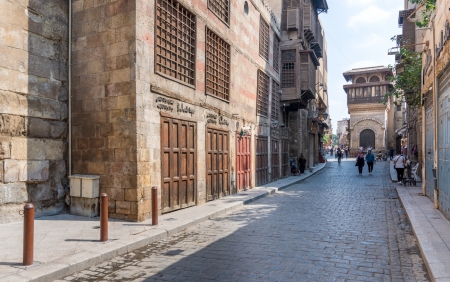
Uncover the beauty of Al Aqmar Mosque Cairo. Learn about its history, architectural wonders, and essential visitor tips in this comprehensive guide.

Visit Sultan Al Mansur Qalawun Mosque in Islamic Cairo—Marvel at this Mamluk masterpiece and learn about its fascinating historical significance.
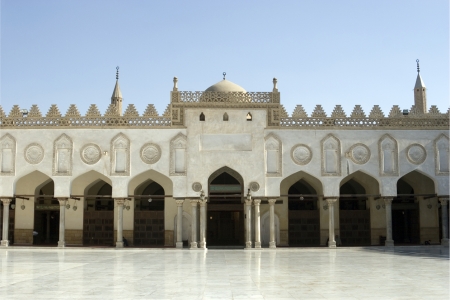
Uncover the significance of Al Azhar Mosque, Cairo’s grand mosque and prestigious university—a cornerstone of Islamic heritage and learning.

Journey into Egypt’s past at the Mosque of Amr ibn al-As. Learn its history and explore this cornerstone of Islamic culture in Cairo.
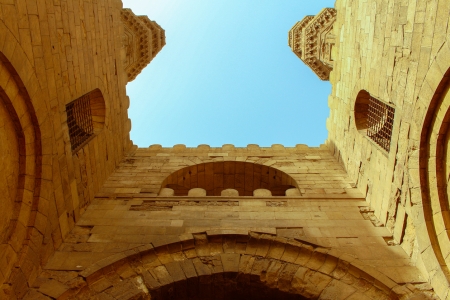
Journey through Old Cairo’s history at Bab Zuweila. Uncover stories, architecture, and secrets of this legendary city gate.
Explore the Museum of Islamic Art, Doha’s cultural gem. Witness stunning collections where the story of Islamic art and history beautifully unfolds.
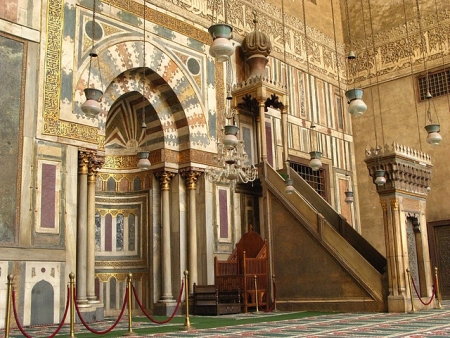
Unveil the fascinating history of the Mosque and Madrasa of Sultan Hassan, Cairo’s iconic Mamluk monument celebrated for its grandeur and artistry.
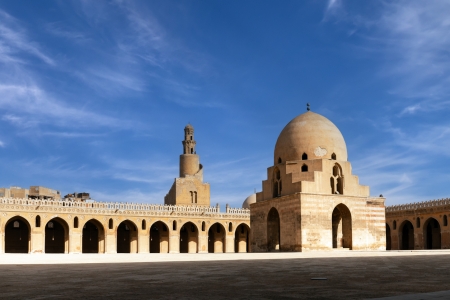
Step into history with Ahmed Ibn Tulun Mosque. Learn about its stunning architecture, captivating past, and importance in Islamic culture.
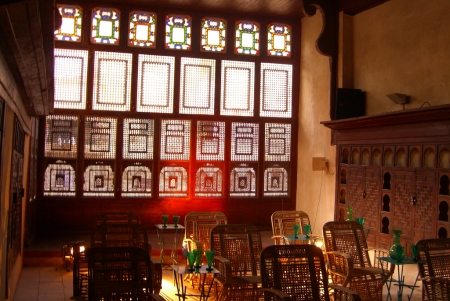
Discover Bayt Al Suhaymi Cairo—an authentic glimpse into Ottoman life. Visit beit el seheimy for rich architecture, culture, and history.

Discover the history and charm of the Cairo Opera House, Egypt’s hub for music, ballet, and cultural performances. Plan your visit today.
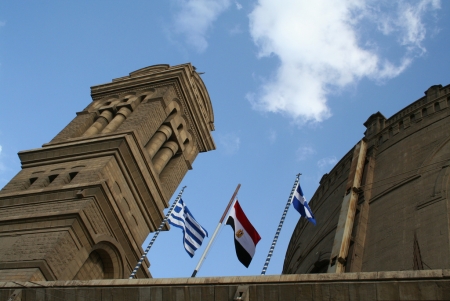
The Coptic Museum lies behind the walls of the famous Roman fortress of Babylon in the ancient district of Cairo (Misr Al-Qadima).

Experience the marvels of The Egyptian Museum in Cairo. Uncover Egypt's treasures and find essential tips for your next visit here.
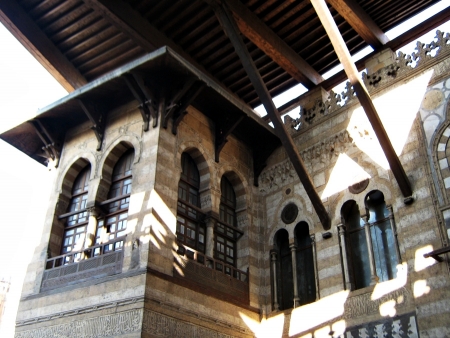
Experience the charm of El Ghorya Cairo, a stunning Mamluk complex renowned for its breathtaking Tanoura dance shows and rich heritage.
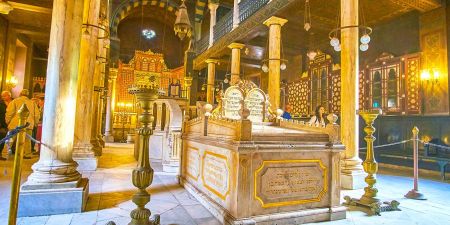
Discover the rich history of Ben Ezra Synagogue Cairo, a stunning landmark of Jewish heritage nestled in the heart of Coptic Cairo.
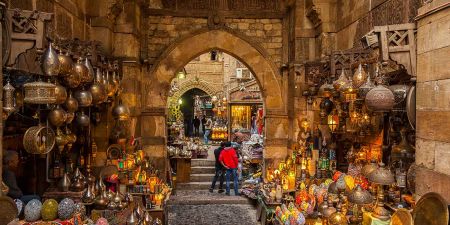
Visit Khan el-Khalili Cairo, a must-see bazaar renowned for its rich history, bustling shops, and authentic Egyptian experience.
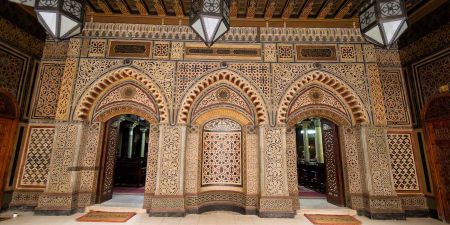
Uncover the timeless allure of Old Cairo. Journey through Coptic Cairo's ancient churches, fascinating history, and cultural treasures now.
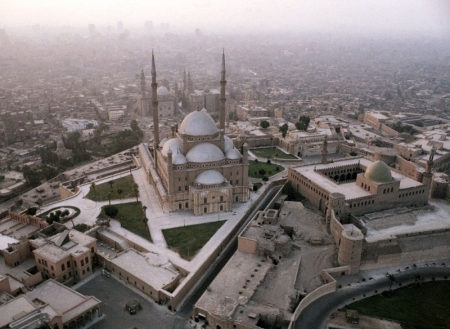
Visit Salah El-Din Citadel Cairo with our guide to its iconic mosques, fortress walls, and centuries of captivating history.

Visit The Hanging Church Cairo to witness a unique Coptic marvel on Roman towers. Learn about its fascinating past and cultural significance.

Explore Downtown Cairo, Egypt’s modern heart. Uncover Belle Époque architecture, lively streets, and rich city culture in one destination.
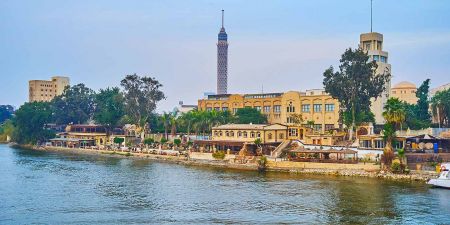
Explore Zamalek Cairo, a chic island district on the Nile. Find attractions, restaurants, and culture in our complete Gezira guide.
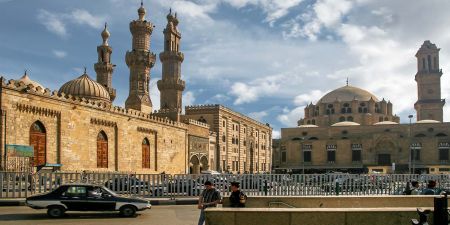
Explore Islamic Cairo's best mosques, bustling bazaars, and architectural marvels in this essential guide to the city's timeless attractions.
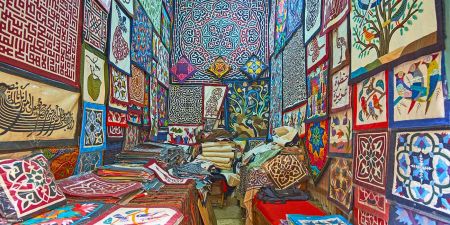
Just beyond the southern walls of Fatimid Cairo across the street from Bab Zuweila stands a singular space in modern Cairo.
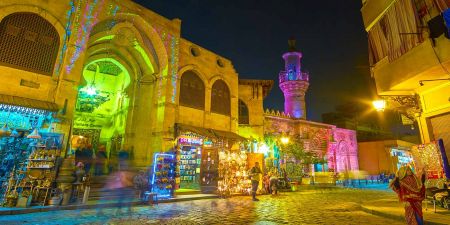
Discover the wonders of Al-Muizz Street Cairo—immerse yourself in stunning Islamic architecture, lively bazaars, and rich cultural heritage.